The Short Answer
Yes. Morocco is generally safe for tourists, and millions visit every year without any problem. The risks you are most likely to meet are small ones: scams, pushy touts, pickpockets in crowded places, and, the one people forget, the roads.
Serious crime against visitors is rare. That does not mean you should switch your brain off. It means the precautions that matter are simple and specific, and this guide lists them.
What the Official Advisories Say
Always read your own government's current advice before you travel, because it can change.
- United States: the State Department rates Morocco Level 2, "Exercise increased caution", because of the risk of terrorism (latest update 4 September 2026). Level 2 is the same rating the US gives many European countries. Read it on travel.state.gov.
- United Kingdom: the FCDO publishes Morocco advice on gov.uk, and separate advice for Western Sahara, a disputed territory where it advises against travel to some areas. The places most visitors go (Marrakech, Fes, the Atlas, the Sahara near Merzouga and Zagora, the coast) are not in those areas.
The advisories also mention petty crime, street thefts and unauthorised protests. That matches what locals see: the everyday risk is theft and hassle, not violence.
The Real Risks, Ranked
1. Scams and fake guides
The most common problem, especially in Marrakech and Fes. Someone tells you a street is closed, offers to walk you to the square, or shows you a "free" tannery that ends in a shop. None of it is dangerous, but it is tiring. Our Marrakech scams guide lists them one by one.
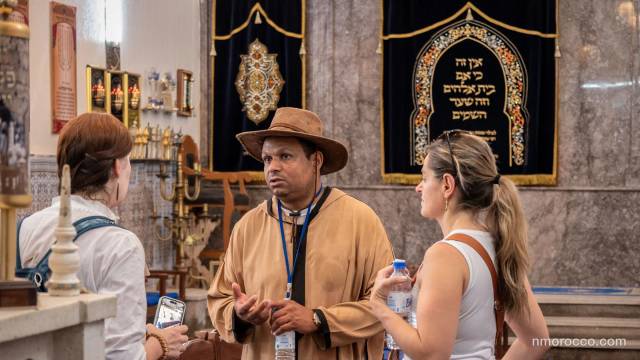
Simple fix: say "la, shukran" (no, thank you) with a smile and keep walking. Book guides in advance, never in the street.
2. Pickpockets and bag snatching
Crowded squares, souks and beaches. Keep your phone in a front pocket, wear your bag across your body and do not leave valuables on café tables.
3. The roads
Statistically, traffic is the biggest real danger for visitors. Driving at night on mountain roads, overtaking on the Tizi n'Tichka and scooters in the medina all deserve respect. If you are not used to Moroccan traffic, a private driver is safer than renting a car for your first trip.
4. Heat and sun
In July and August, Marrakech and the desert can pass 40 to 45°C. Heat exhaustion is a far more common problem than crime. Plan days around early mornings and evenings.
5. Natural hazards in the mountains
Flash floods can hit Atlas valleys after storms, and the 2023 Al Haouz earthquake reminded everyone that the High Atlas is active ground. Villages have been rebuilding since; follow local advice about river beds and weather.
City by City
| Place | What to expect | Local tip |
|---|---|---|
| Marrakech | Busy, safe overall; the most scams and touts | Learn the medina with a guide on day one; take an official taxi from the airport (prices here) |
| Fes | Safe; a confusing medina where fake guides are persistent | Hire a guide for the first visit to the old city |
| Casablanca | A big modern city; normal big-city caution at night | Use registered taxis or ride apps after dark |
| Tangier | Much calmer than its old reputation | Be firm with touts at the port |
| Chefchaouen | Relaxed and very safe | You will be offered hashish; it is illegal, just say no |
| Essaouira | One of the most relaxed towns in Morocco | Watch bags on the beach |
| Agadir | A resort city, very low hassle | Normal beach precautions |
| Atlas Mountains | Safe, welcoming villages | Hike remote trails with a local guide, and check weather before river walks |
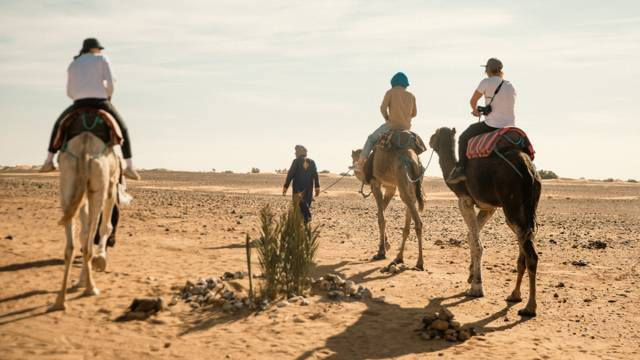
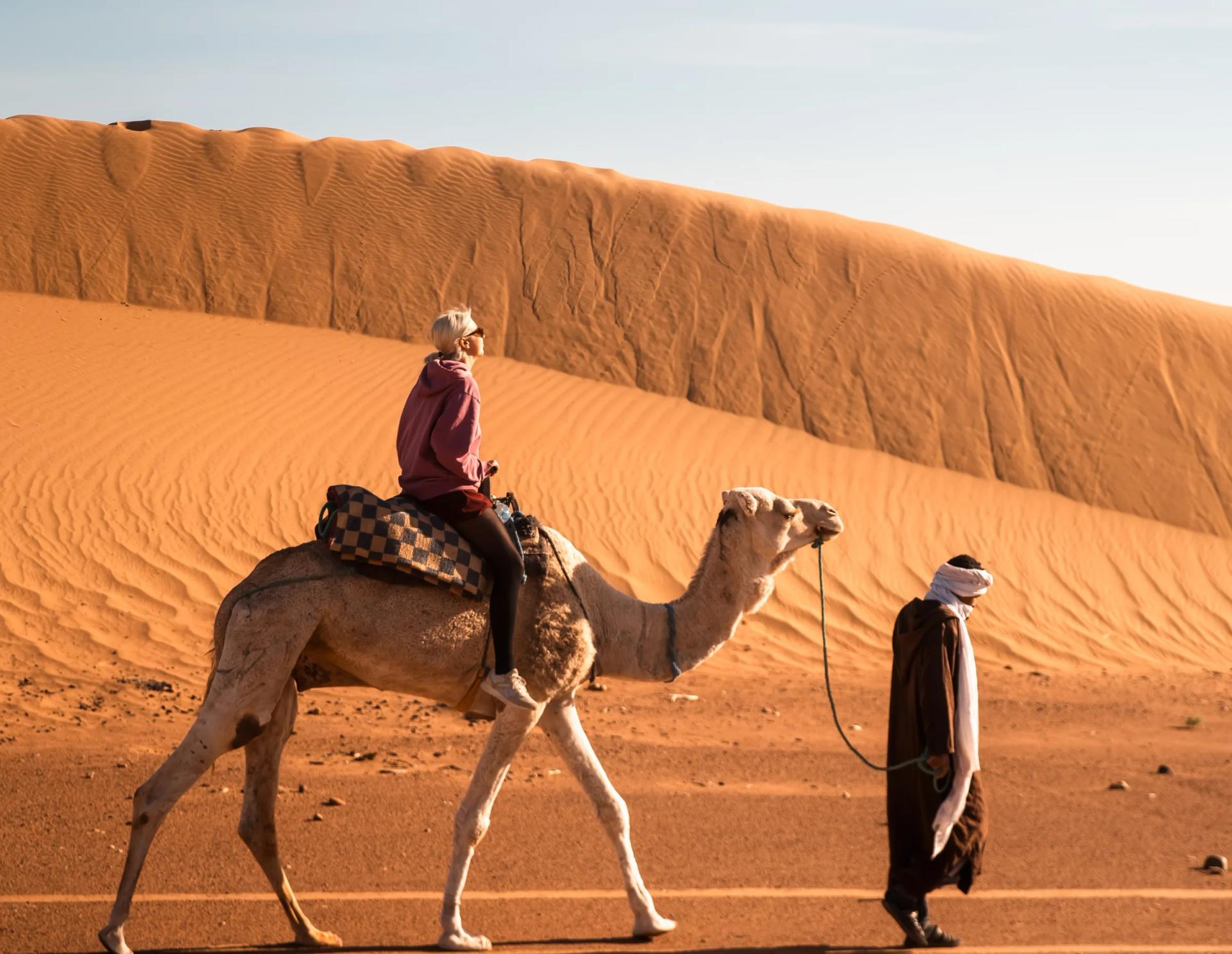
| Sahara (Merzouga, Zagora) | Safe; the desert itself is the risk | Never drive into the dunes alone; go with an operator |
Is Marrakech Safe at Night?
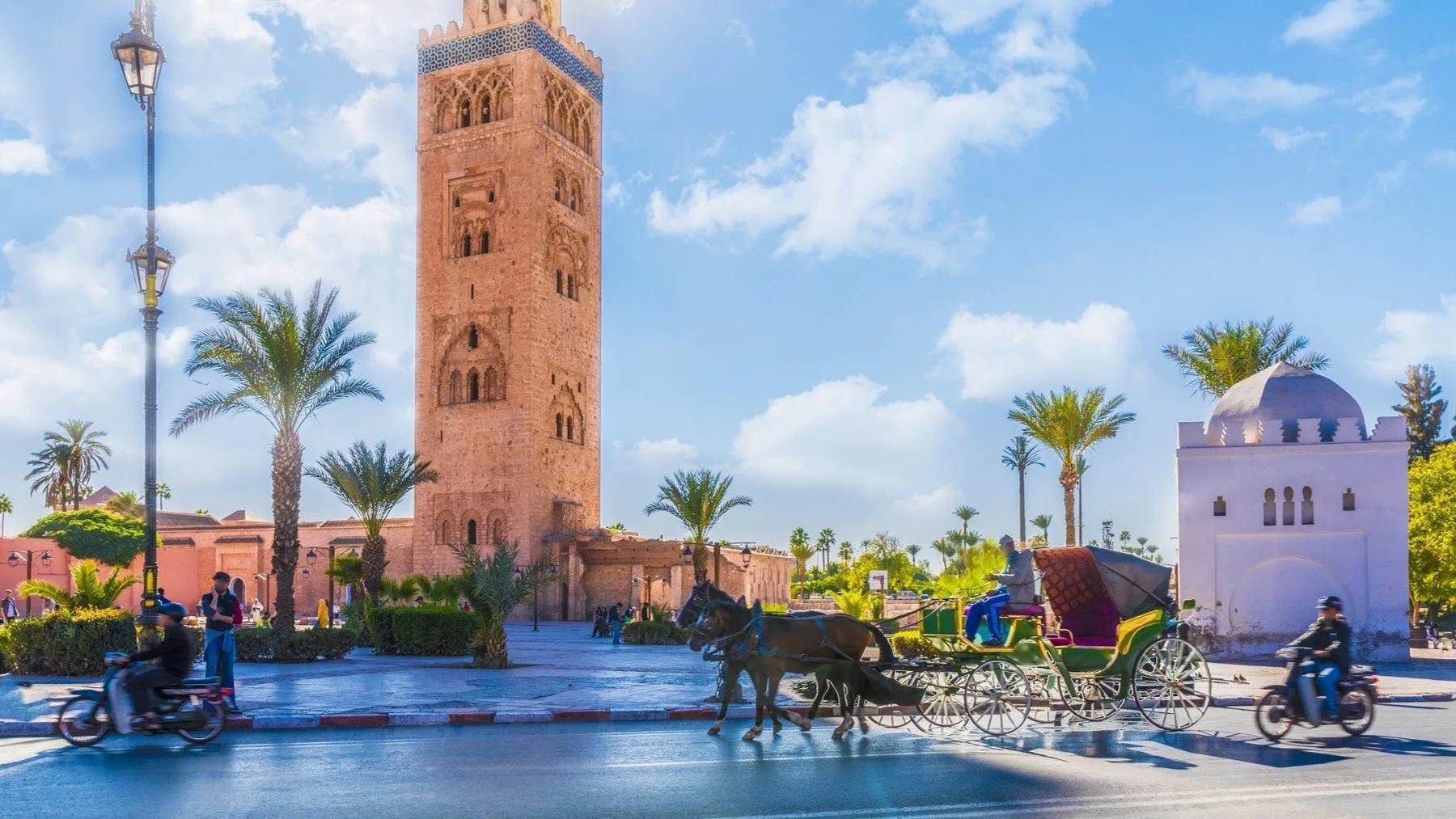
Yes. Jemaa el-Fna is at its liveliest after dark and full of families. The main medina routes stay busy until late. After midnight, take a taxi or ask your riad to send someone to meet you if your street is far from the main lanes. That is not because of danger so much as because the alleys are hard to navigate in the dark.
Women Travelling in Morocco
Many women travel in Morocco alone or in pairs and love it. The honest downside is street comments, especially in Marrakech and Fes, which are annoying rather than dangerous.
What helps:
- Dress modestly in the medinas (shoulders and knees covered); see what to wear in Morocco.
- Walk with purpose and do not engage with comments.
- Choose a riad with good reviews from solo women and ask them about arrival.
- Book day trips and evenings with a known host rather than someone you met in the street.
Our detailed solo female travel guide covers this in depth.
Families with Children
Moroccans love children, and families are treated warmly everywhere. The real concerns are practical: heat, long drives and food hygiene. Choose a private vehicle for long distances so you can stop when you need to, and stick to busy, freshly cooked food.
LGBTQ+ Travellers
Same-sex relations are illegal under Moroccan law (Article 489 of the penal code), and public displays of affection are frowned on for everyone. In practice, LGBTQ+ visitors travel in Morocco, usually with discretion. Read your government's advice and choose accommodation that is welcoming.
Laws and Customs Worth Knowing
- Drugs: cannabis (kif, hashish) is illegal for recreational use, even though you will be offered it.
- Ramadan: do not eat, drink or smoke in public during the day out of respect. More in Morocco during Ramadan.
- Photography: ask before photographing people, and never photograph police, military or official buildings.
- Drones: do not bring one without a permit; they can be held at customs.
Health and Water
- Most visitors drink bottled water; it is cheap and everywhere.
- Street food is generally fine when it is busy and cooked in front of you.
- Travel insurance with medical cover is strongly recommended.
- Private clinics in Marrakech, Casablanca, Rabat and Fes are good; rural areas have fewer services.
Emergency Numbers
| Service | Number |
|---|---|
| Police (in cities) | 19 |
| Royal Gendarmerie (outside cities) | 177 |
| Ambulance and fire | 15 |
| From a mobile phone | 112 |
Tourist police (Brigade Touristique) patrol the main squares and medinas in the big cities.
How to Travel Safely, in One List
- Book your airport transfer or use the official taxi rank.
- Take a guided walk on your first morning in the medina.
- Book guides and tours in advance, with a clear price.
- Keep valuables in front pockets in crowds.
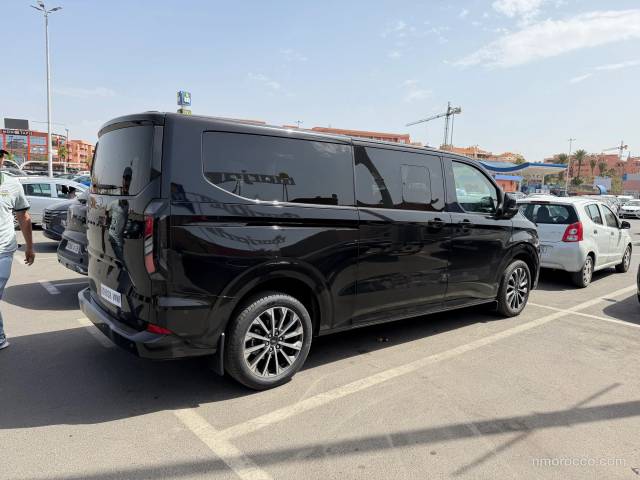
- Use a private driver rather than self-driving on your first trip.
- Avoid the midday sun in summer.
- Save your riad's location offline and carry its phone number.
On NMorocco every tour is private, priced upfront and run by a local host with public reviews, so there is nothing to negotiate in the street. If you want a first day without stress, start with a private Marrakech city tour with hotel pickup.
FAQ
Is Morocco safe for tourists right now?
Yes, with normal precautions. The US rates Morocco Level 2 ("Exercise increased caution") because of terrorism risk, and the main everyday risks are scams and petty theft.
Is Marrakech safe for tourists?
Yes. It is busy and has the most scams in the country, but violent crime against tourists is rare. Use official taxis and book guides in advance.
Is Morocco safe for American travellers?
Yes. Americans are welcomed warmly. See our guide for American travellers and the US entry rules.
Is Morocco safe for solo female travellers?
Generally yes. Expect street comments in the big medinas, dress modestly and book trusted hosts. Read our solo female travel guide.
Is it safe to drive in Morocco?
Main highways are good, but mountain roads, night driving and city traffic are demanding. A private driver is the safer choice for a first trip.
Ready to travel with confidence? Explore private experiences with local hosts on NMorocco.