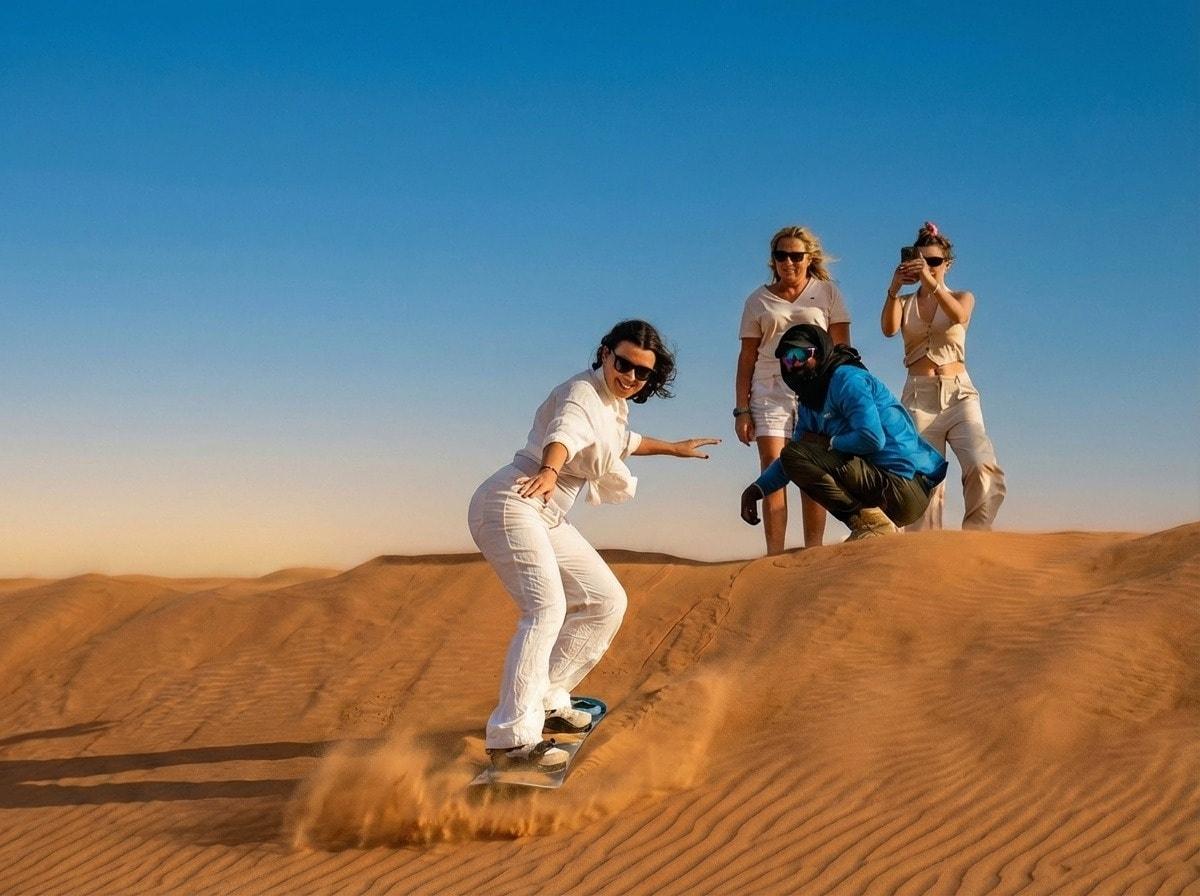
Your Peace of Mind
Travel Safety in Morocco
How we keep every traveler safe from booking to return
Yes, Morocco is one of the safest countries in North Africa for travelers, and millions visit every year without incident. As with any destination, the real risks are petty scams and pickpocketing in busy medinas, not violent crime. Booking verified, licensed local guides and following a few common-sense precautions keeps the vast majority of trips completely trouble-free.
Last reviewed: June 2026 · This page is general guidance and is reviewed regularly. Before you travel, also check your own government's official advisory for Morocco.
Our Safety Standards
Built-in protections at every step
Verified & Licensed Guides
Every guide on our platform holds an official licence from the Moroccan Ministry of Tourism and has passed our 30-point background verification process.
Secure Booking
All payments are processed through Stripe with full SSL encryption. We never store your payment details.
Privacy & Data Protection
Your personal information is never shared with third parties without your consent. We comply fully with GDPR and Moroccan data protection law.
24/7 Emergency Support
While you travel, our emergency line is available around the clock. Your guide and our team are reachable at any hour.
In-Country Emergency Contacts
Before every tour we share our in-country emergency number, the local police number, and the nearest hospital to your itinerary.
Real-Time Location Sharing
For guided desert and mountain tours, guide locations are tracked in real time. A family member can monitor your journey at any time with a shared link.
Traveler Tips
How to stay safe in Morocco
- 1Meet your guide at the agreed public landmark: a café terrace, a riad door, a mosque square. Skip narrow alleys and parking lots, especially after sunset.
- 2Carry a paper photocopy of your passport and booking voucher, and keep digital copies in your email. Lock the originals in your riad safe.
- 3Dress for the medina, not the beach: shoulders and knees covered near mosques, mausoleums, and rural villages. A light scarf doubles as sun protection in the desert.
- 4Pull cash only from ATMs inside bank branches or hotel lobbies, and split your dirhams between two pockets. Tip in small notes; vendors rarely break a 200 MAD bill.
- 5Save your riad's address in Arabic and French in your phone notes, plus the nearest hospital and our 24/7 line: +212 705 640 119.
- 6Buy travel insurance that explicitly covers mountain trekking, camel/quad activities, and medical evacuation. Standard policies often exclude the Atlas and Sahara.
- 7Drink bottled or filtered water, and ease into street food at busy stalls where locals queue, since high turnover means fresh ingredients.
- 8A polite "La, shukran" (No, thank you) and a smile handles most persistent vendors in souks. Agree on every taxi fare before the door closes.
Morocco safety: frequently asked questions
Is Morocco safe for tourists?
Yes. Morocco is among the safest countries in the region for visitors, with millions traveling there each year. Violent crime against tourists is rare; the main nuisances are petty scams and pickpocketing in crowded medinas, which basic awareness avoids.
Is Morocco safe for solo female travelers?
Yes, many women travel Morocco solo every year. Expect some unwanted attention and persistent vendors rather than danger. Dress modestly near religious sites, be firm and confident, avoid empty alleys after dark, and use trusted guides and licensed taxis.
Is Marrakech safe at night?
The main squares and busy streets like Jemaa el-Fnaa stay lively and generally safe in the evening. Stick to well-lit, populated areas, keep valuables secured against pickpockets, and avoid the quiet back alleys of the medina alone late at night.
What are the most common scams in Morocco?
The usual ones are unofficial "guides" offering directions then demanding money, claims that a square or attraction is "closed" to redirect you to a shop, henna offered then charged aggressively, and taxis refusing the meter. Agree prices upfront and politely decline unsolicited help.
Is tap water safe to drink in Morocco?
Stick to bottled or filtered water, which is cheap and everywhere. Tap water is chlorinated in cities but can upset unaccustomed stomachs; also skip ice you are unsure about and peel fruit.
What is the emergency phone number in Morocco?
Dial 19 for police in cities, 177 for the Gendarmerie in rural and mountain areas, 15 for fire and ambulance (Protection Civile), and 150 for SAMU medical emergencies. From a mobile, 112 connects you to emergency services. NMorocco travelers also have our 24/7 line.
Read more
Travel with verified local hosts
Every guide on NMorocco is identity-checked and licensed. Explore experiences led by trusted locals.
Browse experiences