The Honest Rule, Before Anything Else
Morocco is more relaxed about clothing than many travel guides make it sound, but it is also more traditional than some travelers expect. After hosting travelers from all over the world, I’ve seen how different clothes can change the way you feel, the way people interact with you, and how comfortable you are.
In places like Marrakech, Casablanca, Rabat, and Tangier, you will see almost everything. Morocco is a modern country, and Moroccan women themselves wear everything from traditional djellabas and caftans to jeans, T-shirts, dresses, and sandals.
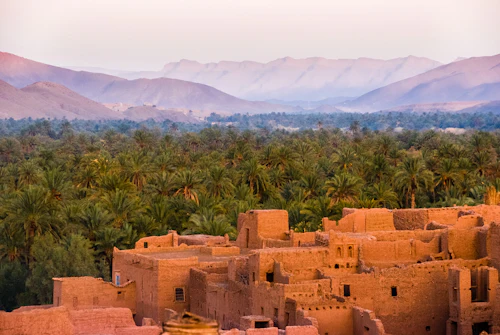
In smaller towns, traditional villages, the Marrakech medina, Fez, and more rural areas, people tend to dress more conservatively. This does not mean you need to cover yourself completely. It simply means that dressing a little more modestly will usually make you feel more comfortable and show respect for the local culture.
My simple rule is: if you are visiting a medina, a village, or a religious place, keep your shoulders and knees covered. Outside those places, you have much more freedom to wear what you like.
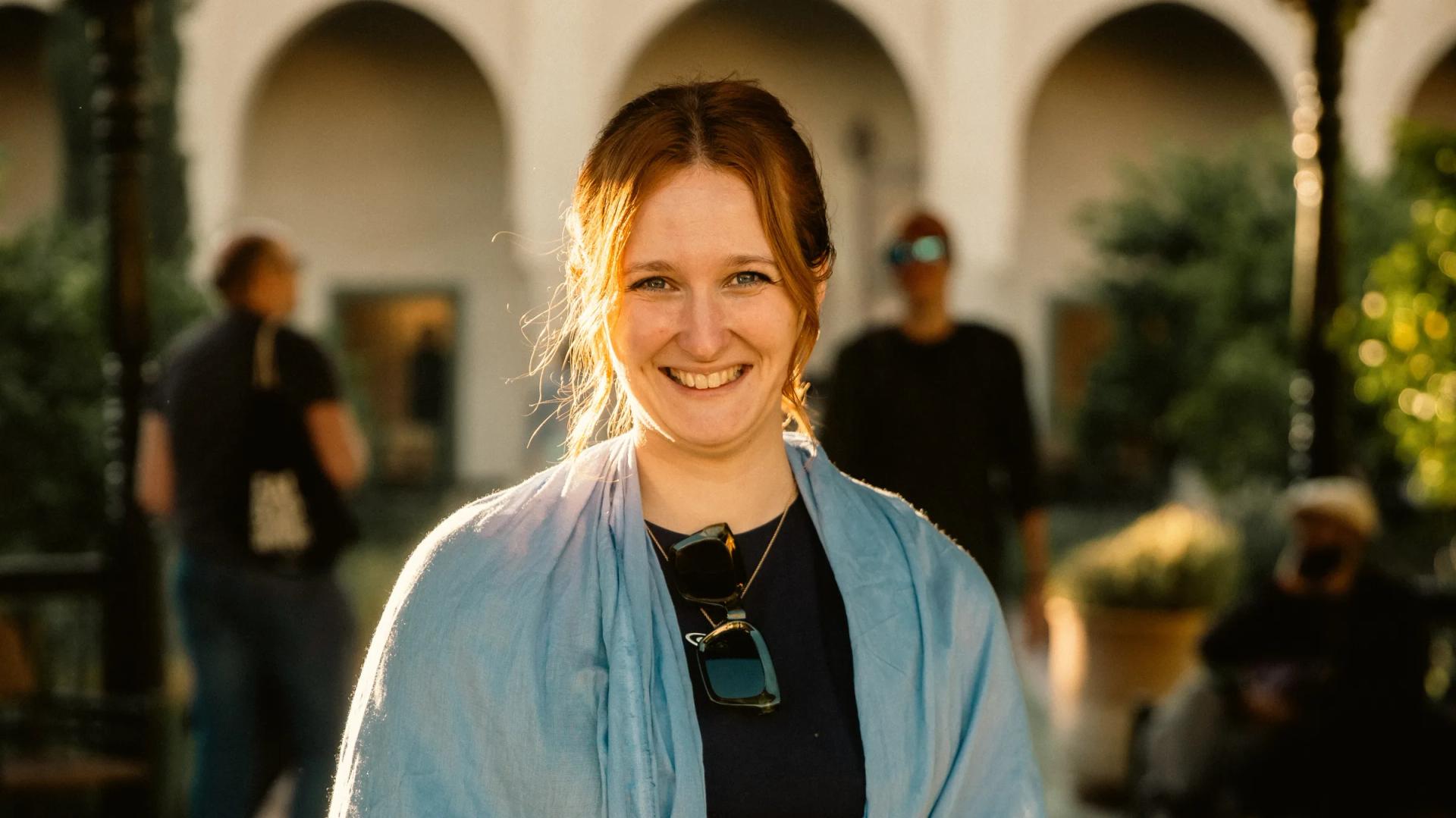
And for women, there is no requirement to wear a headscarf as a tourist in Morocco. You will see Moroccan women with and without headscarves, wearing many different styles of clothing. Morocco is not the same everywhere, and there is no single way that everyone dresses.
For me, it is not about telling you that you cannot wear something. It is about knowing where you are, understanding the local culture, and finding a balance between looking good, feeling confident, and being respectful.
The Marrakech Medina vs Gueliz
The medina (the walled city) is more conservative. The new city (Gueliz, Hivernage) is essentially a modern town. You can wear shorts and a T-shirt in Gueliz. In the medina you will be more comfortable and attract less attention by covering your shoulders and knees.
For women: a long flowing skirt or an ankle-length dress, loose linen trousers, or a maxi dress work at any temperature. A light long-sleeve shirt or a kimono over your outfit covers the shoulders without overheating.
For men: light linen trousers and a short-sleeve shirt are ideal. Shorts are technically acceptable but you will get more respect in the medina with long trousers.
The Atlas Mountains: Layers.
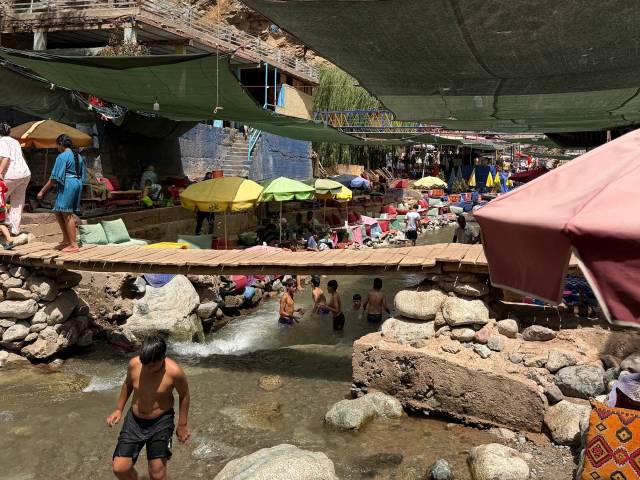
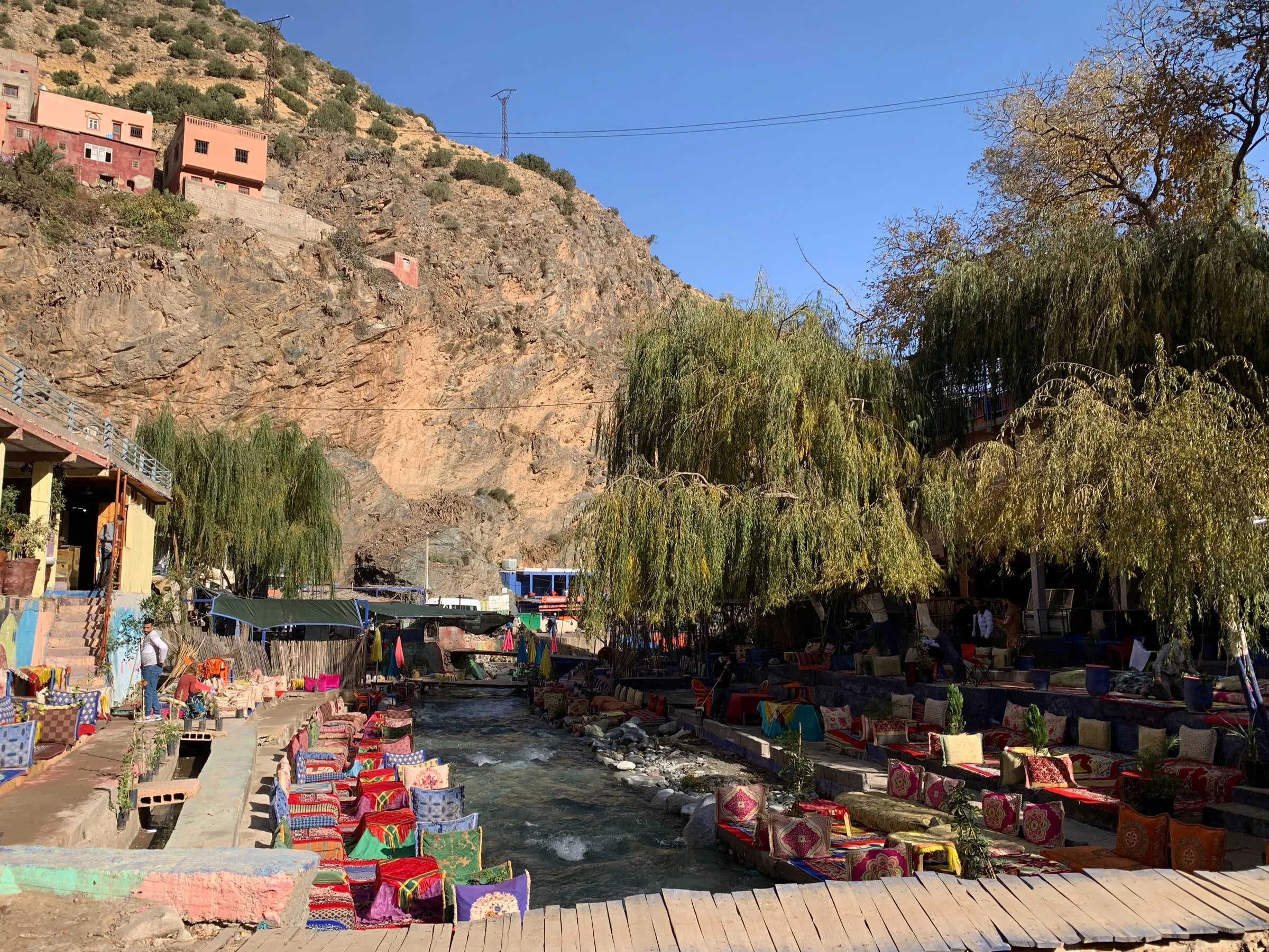
The Atlas surprises tourists. Even in summer, the temperature drops 15 to 20 degrees Celsius from Marrakech when you reach 1,800 metres. In winter, it can be below zero at that altitude. Always wear layers.
A practical Atlas packing list (any season):
- A warm sweater or a light jacket
- Long trousers (zip-off trousers are useful)
- Sturdy walking shoes (not trainers)
- A windproof shell (for sudden rain or wind)
- A warm hat and a sun hat
- A light scarf (versatile)
- Sunscreen (the sun at this altitude is intense, even in winter)
Image
For camping specifically (Toubkal, an overnight at Imlil): proper hiking boots, a thermal base layer, and gloves are essential from October to April.
The Desert: Hot Days, Cold Nights
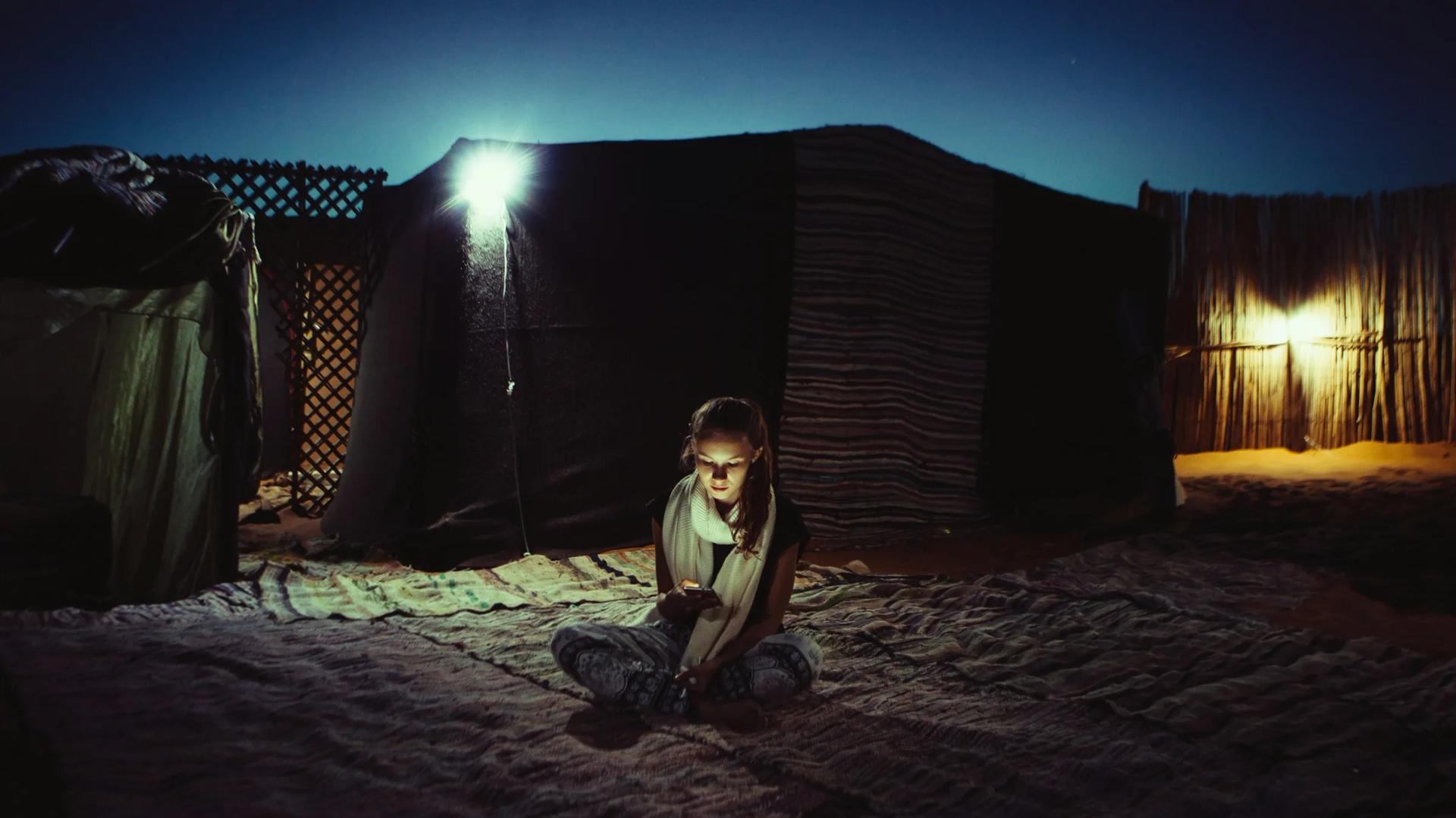
The most common mistake. Tourists pack for hot weather and arrive in the Sahara at 4 a.m. to find it 5 degrees Celsius and windy.
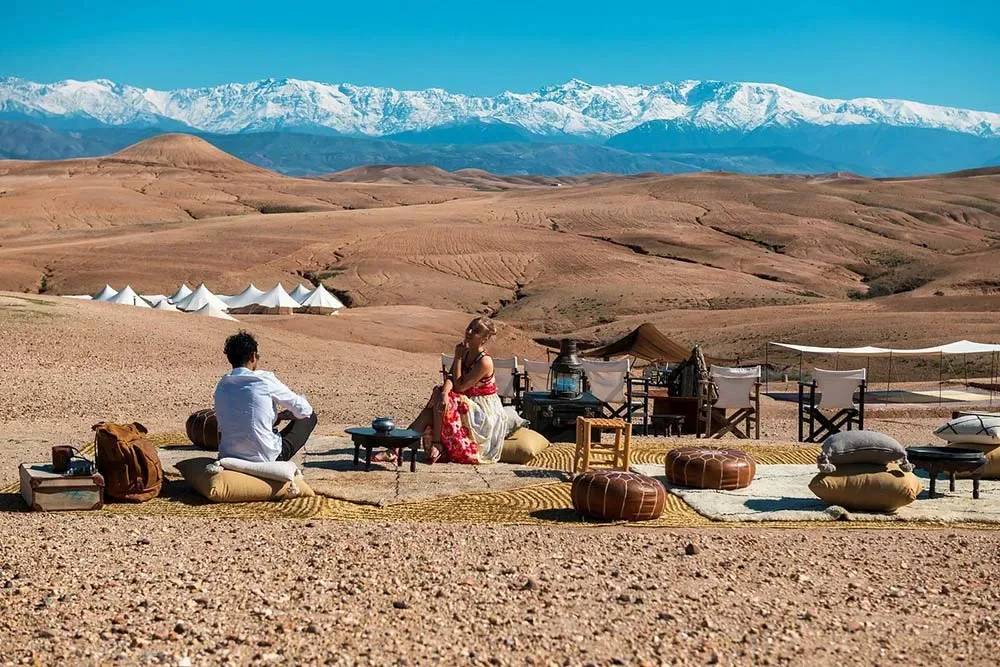
In the desert (the Sahara or Agafay), you will need:
- Loose long-sleeve shirts (linen or cotton, not synthetic)
- Lightweight long trousers
- A scarf or shesh (essential for sand and sun)
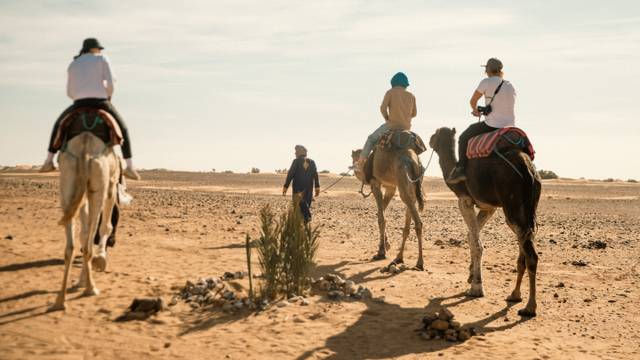
- Closed shoes for the camp, sandals for the camel
- A warm coat for the night, even in summer
- A brimmed hat or a wrap
the big sahara
Why long sleeves and trousers in desert heat? They protect you from the sun and keep moisture closer to your skin. You will feel cooler, not hotter, in loose long clothing than in shorts and sandals.
Colours: light colours reflect heat. Dark blue and black (the colour of Berber and Tuareg men) push body heat outward, which is surprising but it works. White is good. Avoid bright synthetic colours. They do not suit the desert and they trap heat.
Hammam Day: What You Need
The neighbourhood hammam (60 to 80 dirhams) is a completely different world from the spa hammam (400 to 1,000 dirhams). Both have the same basic rules for what to wear.
What to wear in the hammam:
- Underwear bottoms or bikini bottoms (for women)
- Shorts or swim shorts (for men)
one more important thing. so many ladies who workj in hammams complain about tourists who get naked in the hammam its not Respectful to show your balls to woman keep your shirts on always
What to bring:
- Plastic sandals (essential, because the floor is wet and hot)
- A small bucket or a plastic cup
- Black soap (savon noir) and a kessa (exfoliating glove)
- A change of underwear for afterwards
- A large towel (often not provided in budget hammams)
In a riad spa hammam, everything is provided. You go in wrapped in a robe, come out wrapped in a clean towel, and drink mint tea on a lounger.
Shoes: The Most Underrated Decision
The Marrakech medina is uneven paving, sometimes wet, and often crowded with mopeds and donkey carts. Shoes matter.
What works:
- Comfortable walking shoes or trainers
- Sturdy sandals with a strap (Tevas, Birkenstocks with a back strap)
What does not work:
- Heels (you will twist an ankle)
- Flip-flops (your feet will be black by lunchtime and exposed to scrapes)
- Stiff new leather shoes (they cause blisters within an hour)
The Atlas: walking shoes at a minimum, hiking shoes for any trek above village level.
The desert: sturdy closed shoes for the camp, light sandals for the camel, never flip-flops.
Specifically for Women
There are things you do not need to do:
- Cover your hair (not required anywhere except a working mosque, which you will not be invited into)
- Wear shapeless clothing (you will see Moroccan women in contemporary designs everywhere)
- Avoid colour (the medina is ablaze with colour)
There are things that genuinely make travelling on your own easier:
- Cover your shoulders in the medina
- Cover your knees in the medina
- Wear sunglasses (less direct eye contact reduces unwanted attention)
- Save bare-armed dresses for the riad pool, not the medina souks
A simple uniform works for women in any Moroccan city: loose high-waisted trousers, a light long-sleeve blouse or tunic, a scarf in your bag for shoulders or hair if needed, and comfortable shoes.
Specifically for Men
Shorts in the medina: technically allowed, but visibly out of place (no adult Moroccan man wears shorts in the medina). You will be served and you will be fine, but you will be instantly marked as a tourist. If you want the price gap in the souk to narrow, wear long trousers.
Religious sites and rural villages: long trousers, a short-sleeve shirt, no bare chest.
A simple uniform works for men in any Moroccan city: light cotton or linen trousers, a short- or long-sleeve shirt with a collar, comfortable walking shoes, sunglasses, and a hat.
Beach Towns: Essaouira, Agadir, Asilah
The coastal towns are almost European in their approach to clothing. Bikinis and shorts are normal on the beach. In the old town of Asilah, the same medina rules apply (shoulders and knees), but the atmosphere is more relaxed than Marrakech.
Bring layers. Coastal Morocco is very windy. Essaouira is cool and breezy even in August.
What to Pack for a Mixed 7-Day Trip (Marrakech, the Atlas, the Desert)
For a 7-day trip in spring or autumn, two people:
- 4 short-sleeve shirts each
- 2 light long-sleeve shirts each
- 2 long trousers and one light skirt
- 1 sweater or light jacket each
- 1 windproof shell each
- 1 hammam set (sandals, swim shorts, towel)
- 1 scarf
- 2 pairs of shoes each (comfortable walking shoes plus sturdy sandals)
- Sunglasses, a sun hat, and sunscreen
That covers a city, a mountain, and a desert in one bag each. Layers are the whole secret: Morocco is rarely one temperature for a whole day.