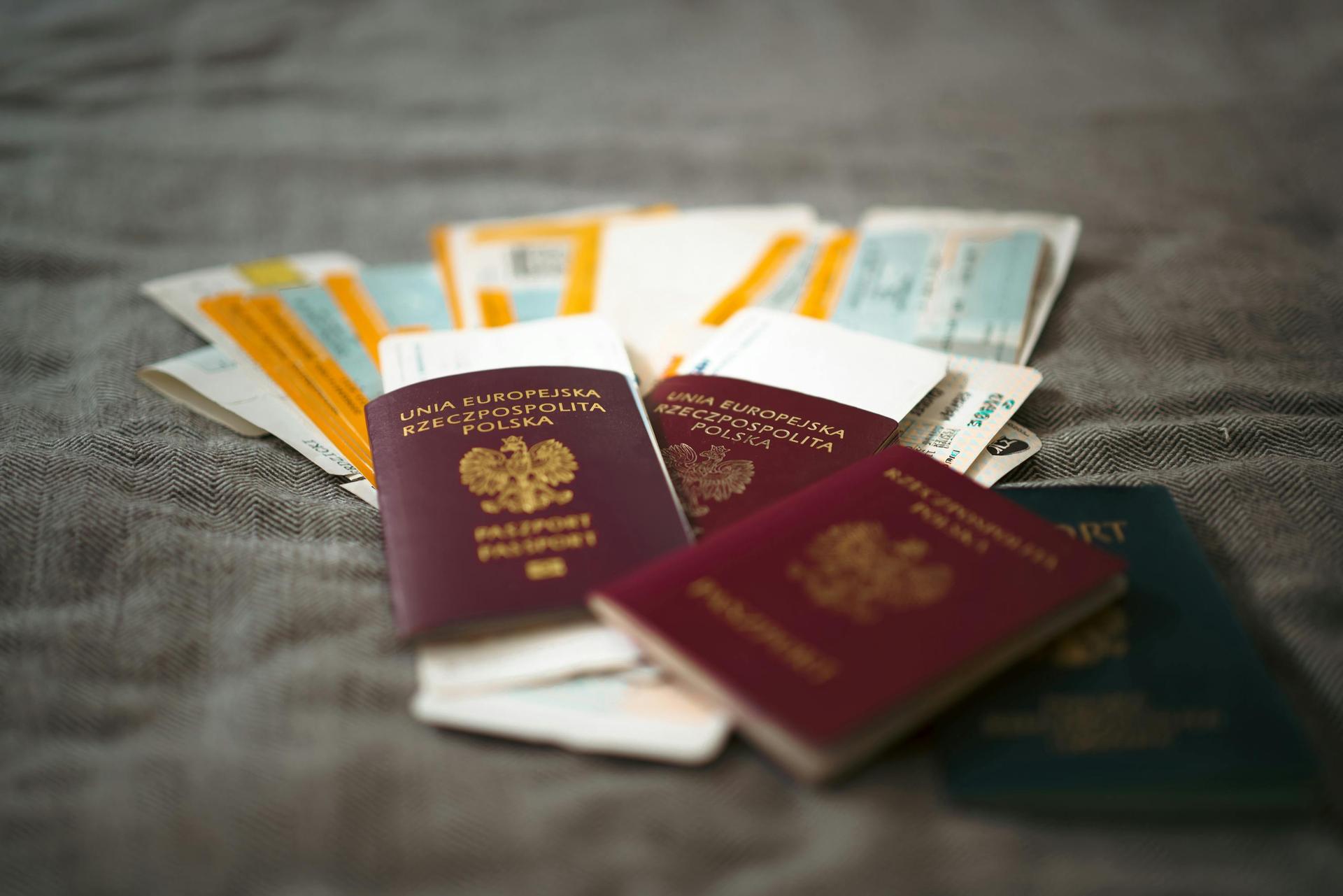
U.S. passport holders can enter Morocco visa-free for tourism, business meetings, or family visits of up to 90 days. There is no online form, no embassy appointment, and no entry fee. You show up at the airport, hand over your passport, and the officer stamps it. That is the entire process for the vast majority of American travelers.
That said, a few details have changed in 2026, and a handful of edge cases still trip people up. This guide covers exactly what you need at the border, what happens if you overstay, and which travelers do need a visa in advance.
The short answer: who can enter Morocco visa-free
Citizens of the United States, Canada, the United Kingdom, Australia, New Zealand, and the European Union do not need a visa for tourism stays of 90 days or less. You only need:
- A passport valid for at least 6 months from your date of entry into Morocco
- At least one blank page for the entry stamp
- A return or onward ticket (officers rarely ask, but you should have proof if requested)
- Proof of accommodation for the first night (a hotel booking confirmation is fine)
You do not need a visa, an electronic travel authorization, or a yellow fever certificate. You do not need to pre-register online. There is no Moroccan equivalent of the U.S. ESTA or the European ETIAS as of 2026.
What the airport process actually looks like
After landing in Casablanca, Marrakech, Tangier, Rabat, Fez, or Agadir, you follow signs to passport control. You will hand the officer:
- Your U.S. passport
- A short paper landing card (handed out on the plane or available at kiosks before the line)
The landing card asks for your flight number, hotel address, and reason for visit. Write Tourism unless you have a different purpose. The officer will stamp your passport with an entry date and let you through. Total time is usually 15 to 45 minutes depending on how many flights landed at once.
A handful of airports (Marrakech, Casablanca) now have electronic kiosks for residents of certain countries, but Americans still go through the manual officer queue.
How long can you stay
The standard visa-free stay is 90 days within any 180-day period. This is similar to the EU Schengen rule but enforced separately. The 90 days reset 180 days after your first entry.
If you want to stay longer, you have two options:
- Leave and re-enter. A short trip to Spain, Gibraltar, or the Canary Islands resets the clock for many travelers, though border officers have the discretion to refuse re-entry if they think you are misusing the visa-free regime. This is increasingly common for digital nomads who try the "border run" approach.
- Apply for a residence permit (carte de sejour). You file with the local police station (commissariat) within your first 90 days. Reasons accepted include family reunification, study, work with a signed contract, or proof of independent income (around 4,500 MAD per month minimum).
What happens if you overstay
Overstaying is treated as an administrative offense, not a criminal one, but it has real consequences:
- You will be fined at the airport on departure. The amount scales with how long you overstayed, typically 600 to 3,000 MAD (roughly 60 to 300 USD).
- You may be banned from re-entry for 1 to 3 years for repeat or long overstays.
- You may miss your flight while paperwork is processed. Allow extra time.
If you accidentally overstay by a day or two due to a missed flight or illness, bring documentation (a doctor's note, an airline cancellation email) and most officers are reasonable.
Travelers who DO need a visa in advance
A small group of U.S.-connected travelers still need to apply at a Moroccan consulate before flying:
- Non-U.S. passport holders who happen to live in the U.S. and whose country is not on Morocco's visa-free list (check the consulate website for the current list)
- Journalists and researchers on official assignment may need a press visa
- Anyone planning to work in Morocco with a local employer needs a work visa filed by the employer
- Stays longer than 90 days in a single trip require either a long-stay visa or post-arrival registration
For the standard tourist or business traveler holding a U.S. passport, none of this applies.
Driving, alcohol, prescriptions: other border questions
These come up almost as often as the visa question, so here is the short version:
- Driving: Your U.S. driver's license is valid in Morocco for the duration of your tourist stay. An International Driving Permit is not required, though it does help if you are pulled over and the officer prefers a French or Arabic document.
- Alcohol: You can bring 1 liter of spirits and 1 bottle of wine duty-free. Larger quantities may be taxed or refused.
- Prescription medication: Bring it in original packaging with a copy of the prescription. Avoid bringing controlled substances (anything codeine-based, ADHD stimulants, strong sleep aids) without a doctor's letter.
- Cash: Declare amounts over 100,000 MAD equivalent (around 10,000 USD). Below that, no declaration is needed.
After arrival: SIM cards, accommodation registration, and getting around
Once you are through customs, two practical first steps make the rest of your trip smoother:
- Buy a local SIM card at the airport. Maroc Telecom, Orange, and Inwi all sell tourist SIMs for 50 to 150 MAD with several gigabytes of data. You will need your passport to register the SIM.
- Check your hotel registers you. Every hotel, riad, and registered guesthouse files a brief form with the police listing each foreign guest. You do not need to do anything; it happens at check-in. This is also why riad owners ask for your passport on arrival.
If you are renting through Airbnb or staying privately, no registration is required for short stays, but your host may still ask to copy your passport.
When in doubt, check the official consulate page
Rules can change, especially around the post-pandemic period and new bilateral agreements. The authoritative source is the Moroccan consulate or embassy in your country. For Americans, the Embassy of the Kingdom of Morocco in Washington, D.C. publishes the current rules.
For day-to-day questions once you arrive, the U.S. Embassy in Rabat maintains updated traveler advisories and can issue emergency passports if yours is lost or stolen.
FAQ
Do US citizens need a visa for Morocco
No. U.S. passport holders can enter Morocco for tourism or business stays of up to 90 days without a visa. You only need a passport valid for at least 6 months from your entry date.
How long can Americans stay in Morocco without a visa
Up to 90 days within any 180-day period. Longer stays require a residence permit applied for at a local police station within your first 90 days.
Do I need a return ticket to enter Morocco
Officers can ask for proof of onward travel. It is rarely checked, but having a return or onward ticket on your phone avoids hassle if the officer is in a careful mood.
Is there an entry fee or tourist tax at the airport
No entry fee for U.S. citizens. Most hotels and riads charge a small city tourist tax (usually 10 to 30 MAD per person per night) added to your bill at checkout, not at the airport.
What if my passport expires within 6 months of my trip
You will be refused boarding by the airline or refused entry by Moroccan customs. Renew your passport before booking flights to Morocco.
Can I extend my 90-day stay from inside Morocco
Not as a tourist. Either leave and re-enter (with the caveats above) or apply for a residence permit. There is no online tourist visa extension.
Do children need their own passport
Yes. Every traveler regardless of age needs their own valid passport. Children traveling without both parents may be asked for a notarized consent letter, though this is rare.
Will I need a yellow fever vaccination certificate
Only if you are arriving from a country with active yellow fever transmission. Travelers flying directly from the U.S., Canada, or Europe do not need a certificate.