There is something in Morocco that breaks any shortcut you try to use to describe it. It is in Africa, but you can see Europe from its northern beaches. It is Muslim, but it has the oldest continuously inhabited Jewish quarter in the world. It is Arab in its constitution, but the first language of half the population is Amazigh, not Arabic. And its food is known as North African, but its tea ritual is Chinese and its mint is Spanish.
If you are wondering where Morocco sits on the world map and what to expect culturally before you visit, here is the full picture without the oversimplifications.
Where Morocco Sits on the World Map
morocco
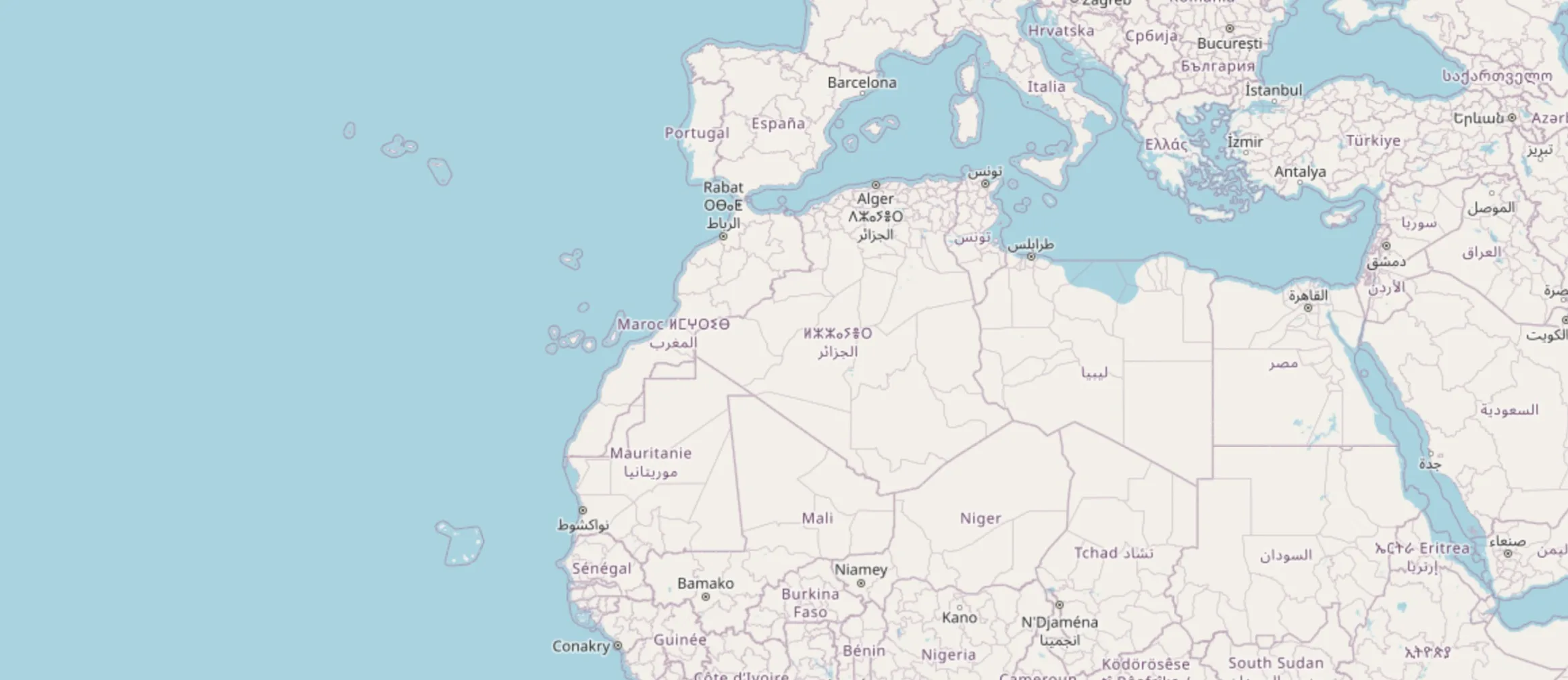
Morocco occupies the northwest corner of the African continent. Its borders:
- North: the Mediterranean Sea (across from Spain)
- West: the Atlantic Ocean (across from the Canary Islands and, eventually, the eastern United States)
- East: Algeria (the border has been closed since 1994)
- South: Mauritania and the disputed territory of Western Sahara
Morocco is roughly the size of the state of California, with a population of about 37 million people. The capital is Rabat, but the largest city is Casablanca, which acts as the economic capital and a major international airport hub.
Is Morocco in Africa or the Middle East
Geographically, Morocco clearly belongs to Africa. It is the furthest northwest country on the continent.
Culturally and politically, it is part of a region usually called North Africa or, more broadly, the Middle East and North Africa (MENA) region. Morocco is a member of the African Union and the Arab League, but it has never been part of the Middle East itself.
This dual identity is real. Moroccan culture shares more with Egypt or Tunisia than with sub-Saharan Africa, but it also has deep ties to southern Europe (especially Spain and France) thanks to centuries of trade, conquest, and migration in both directions.
How Close Morocco Is to Europe
Astonishingly close. The narrowest point of the Strait of Gibraltar, between Tangier and Tarifa in Spain, is only 14 kilometres (8.7 miles). On a clear day you can see Spain with the naked eye from the hills of Tangier, and ferries cross the strait in under an hour.
The two Spanish enclaves, Ceuta and Melilla, are even closer: they are geographically part of Moroccan territory but belong to Spain, which makes them the European Union's only land border with Africa.
This proximity shaped Morocco's history (the Arab armies crossed in 711, Spain ruled the north for decades, and Tangier was an international zone until 1956), and it continues to shape its tourism, trade, and migration today.
Under Which Continent Does Morocco Compete in the World Cup, the Olympics, and Eurovision
Morocco competes:
- In the Africa Cup of Nations and the African Games, because it is geographically in Africa
- In FIFA as part of the Confederation of African Football (CAF)
- In the Eurovision Song Contest in earlier decades (1980) as an exception, because it falls within the European Broadcasting Union area
The famous 2022 World Cup run, where Morocco became the first African and Arab team to reach the semi-final, was on behalf of Africa. So for the purposes of sport, Morocco is Africa.
What Is Morocco's Religion
Morocco is about 99% Muslim, mostly Sunni of the Maliki school. Islam is the official religion and the king is officially the Commander of the Faithful.
That said, the practical experience for a visitor is less strict than in some other Muslim-majority countries:
- Alcohol is legal for locals and tourists alike. It is sold in licensed restaurants, hotels, and supermarkets.
- Women are not required to cover their hair in public, even at religious sites for non-Muslims (although entry to mosques is forbidden to non-Muslims).
- Ramadan changes daytime restaurant hours but tourist restaurants stay open. Iftar (the evening meal that breaks the fast) is one of the wonderful cultural experiences for visitors.
- Jewish heritage matters greatly: the Jewish quarters (the mellahs) in Fez, Ouarzazate, and Essaouira are well preserved, and the country has the largest Jewish community in the Arab world.
- There are small Christian communities, especially among foreign residents and some Moroccan converts.
The country is officially religious but in practice multi-faith. Visitors of all backgrounds are welcome.
Is Morocco an Arab Country
Officially yes, in the constitution. In practice, the answer is more complicated.
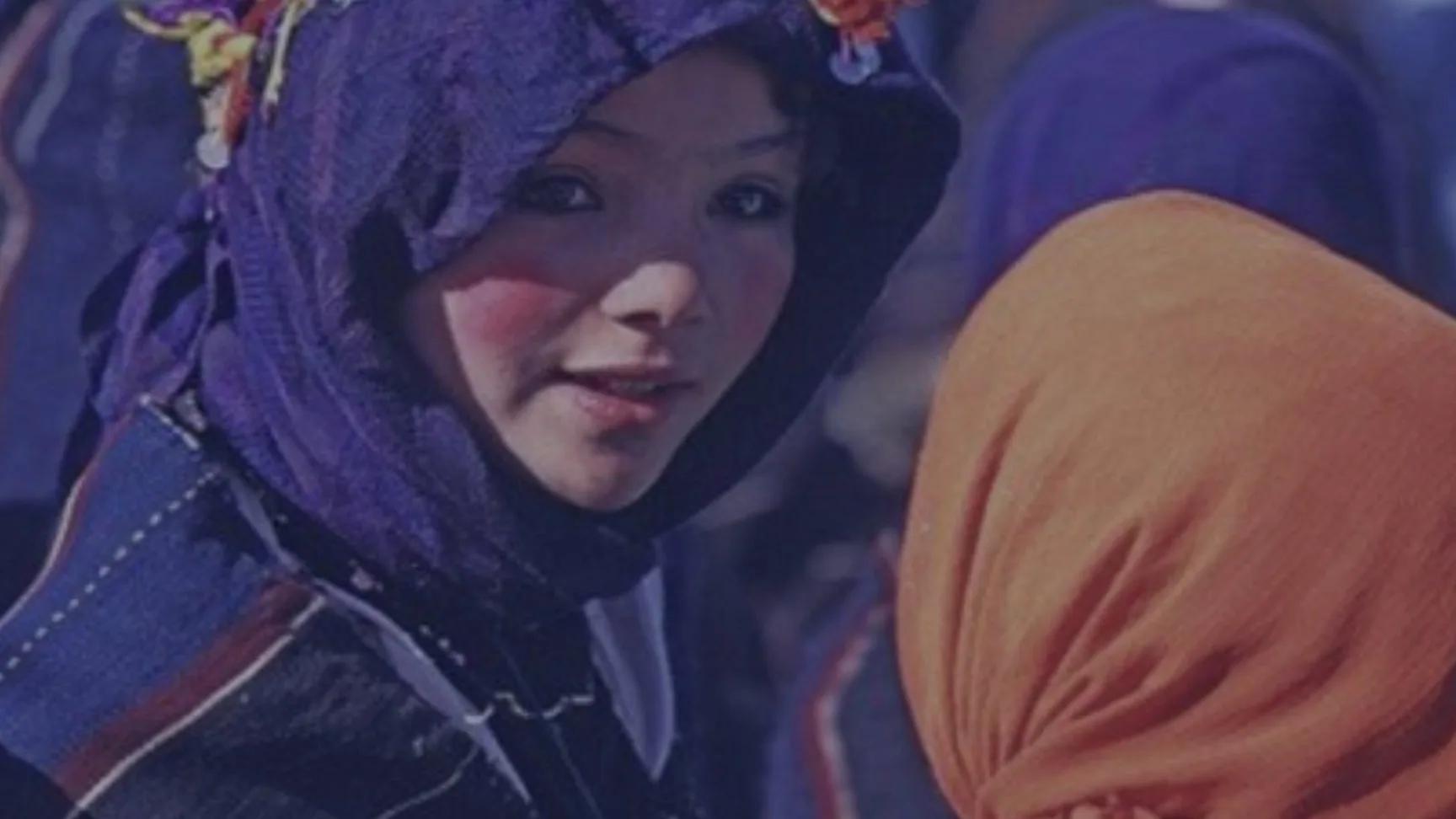
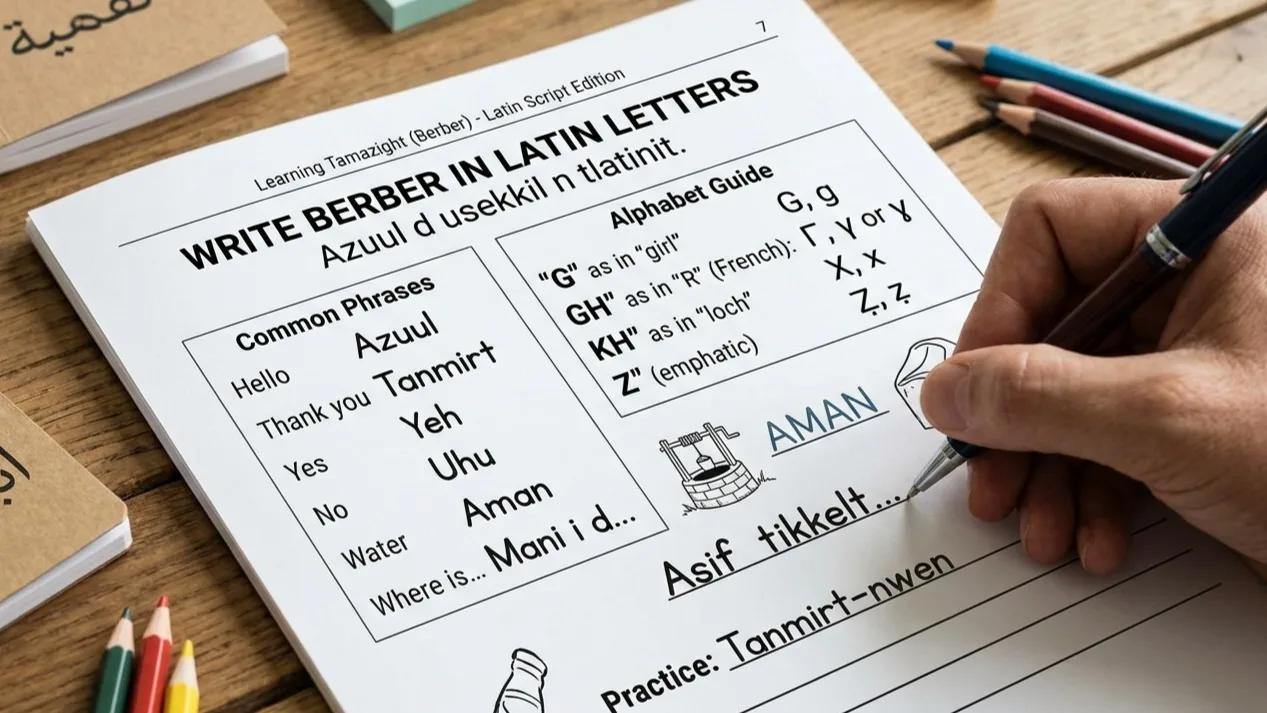
About 45 to 50% of Moroccans identify primarily as Amazigh (Berber), not as Arab, and this varies by region. Tamazight (the Amazigh language) has been recognised as an official national language alongside Arabic since the 2011 constitutional reform.
Most Moroccans are a mix of:
- Amazigh (the indigenous people of North Africa, present for at least 4,000 years)
- Arabs (descendants of the Arab tribes who arrived from the seventh century onward)
- Andalusians (descendants of the Muslims and Jews expelled from Spain after 1492)
- Sub-Saharan Africans (a large presence in the south, around the historic trans-Saharan trade routes)
The result is a genuine culture of its own. Calling Morocco "Arab" is politically correct but misses half the picture.
What Language Do Moroccans Speak
We have a full guide to the languages of Morocco, but the short version:
- Darija (Moroccan Arabic) is the everyday spoken language of most people. It is very different from Modern Standard Arabic and is not mutually intelligible with it.
- Tamazight (in three regional dialects) is the everyday language of about 30% of the population.
- Modern Standard Arabic is used in the news, government, and religious contexts.
- French is the language of business, higher education, and professional life in most cities.
- Spanish is widely used in the north (Tangier, Tetouan, and Chefchaouen).
- English is becoming more common among young Moroccans and in the tourism industry.
You can travel comfortably in Morocco using English in most tourist contexts, but a few words of French open doors quickly.
Is Morocco a "Third World" Country
That term is dated and not really used in 2026. Morocco is classified by the World Bank as a "lower-middle-income" country and ranks in the middle of the UN Human Development Index.
In practice, this means:
- The main cities (Casablanca, Rabat, Ouarzazate, and Tangier) have modern infrastructure, medical supplies, huge shopping centres, high-speed internet, and a high-speed railway
- Rural areas, especially in the Atlas Mountains and the south, are clearly less developed
- The country is investing heavily in renewable energy (the Noor solar complex is one of the largest in the world) and has built Africa's first high-speed train between Tangier and Kenitra
- Travel costs are lower than Europe but higher than Egypt or Tunisia
For most travellers, Morocco feels more modern than expected in the cities, and more traditional than expected outside them. That contrast is part of what makes people love it.
What Is Morocco's Time Zone
Morocco is on Western European Time (UTC+1), which means:
- The same time as London during the European summer (March to October)
- One hour ahead of London during the European winter (October to March)
- 5 hours ahead of New York on US East Coast time
- 8 hours ahead of Los Angeles on US West Coast time
Morocco does not apply daylight saving in the usual sense, so the difference with the United States and the United Kingdom shifts twice a year, which confuses travellers who book their trips around those periods. When in doubt, check the current local time on your phone the day before you fly.