The Short Answer
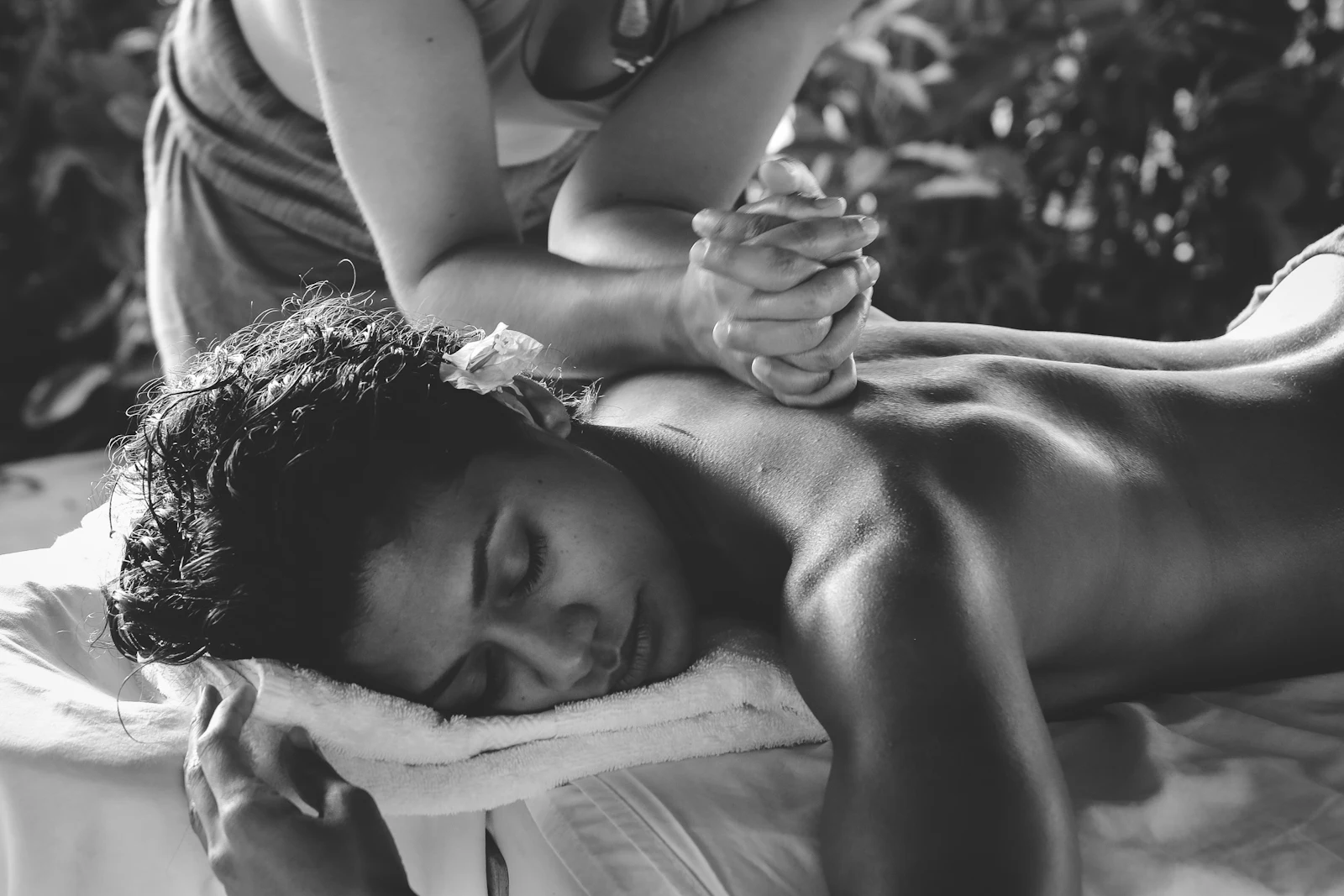
A Moroccan hammam is a traditional public steam bath. You sit in a hot tiled room, your body softens in the steam, then someone (or you) scrubs every inch of your skin with a rough mitt called a kessa and a black soap made from olives. Buckets of warm water rinse it all off. You leave feeling lighter, cleaner and softer than you have ever felt in your life.
Going to the hammam is one of the most Moroccan experiences a traveller can have. It is also confusing the first time. This is what you need to know.
The Two Kinds of Hammam
There is a huge gap between the two types you will see in Morocco. They use the same word, but the experience is completely different.
The Public Neighbourhood Hammam
Every Moroccan neighbourhood has a public hammam, usually next to the local mosque (they share a water heating system, traditionally). Locals go once or twice a week. Men and women use it on alternating schedules: typically women in the morning and early afternoon, men in the evening, with the exact hours posted at the door.
You pay 15 to 30 dirhams at the entrance. Bring your own soap, mitt, towel, flip flops and a change of clothes. You strip down to your underwear (women keep their bottoms on, men wear shorts or boxers). You walk into a series of progressively hotter tiled rooms, find a spot, sit, sweat, scrub, rinse and chat with strangers. A staff scrubber (called a tayyab for men, tayyaba for women) is available for an extra 50 to 100 dirhams if you want a professional going at your back.
This is the real Moroccan hammam. Loud, communal, social, completely unselfconscious. People bring buckets, gossip, scrub their kids, laugh. Nobody cares what you look like.
The Tourist Spa Hammam
Many riads, hotels and dedicated spas offer "hammam" experiences for tourists. These cost 250 to 800 dirhams or more. You get a private or semi-private tiled room, soft lighting, a single attendant, scented oils, a glass of mint tea and sometimes a massage included. You are clean, but you have not really been to a Moroccan hammam. You have been to a Moroccan-themed spa.
Both have value. The spa version is gentler and easier. The neighbourhood version is the real thing.
If you have time, do both. If you can only do one, do the public hammam at least once. It is the experience.
What Happens, Step by Step
For a public hammam first timer:
- Arrive with your kit. Towel, flip flops, plastic bucket if the place does not provide one (most do), black soap (savon beldi), kessa scrub mitt, regular soap or shampoo, a clean change of clothes. You can buy soap and mitts at any nearby corner shop for 10 to 30 dirhams.
- Pay at the door and change in the entry room. Women keep bottoms on. Men wear shorts or swim trunks. No full nudity.
- Walk into the first room. It is warm. The floor is warm. Pick a spot and pour a bucket of warm water on yourself.
- Move to the hotter room. Sit. Sweat for 10 to 15 minutes. Your pores open. Your skin softens.
- Apply the black soap generously over your whole body. Leave it for 5 to 10 minutes. It looks like dark tar and smells like olives. This is normal.
- Rinse it off with warm water from your bucket.
- Scrub with the kessa. Either yourself or pay the tayyaba 50 to 100 dirhams to do it. If you have her do it, prepare to be shocked. The amount of dead skin that comes off your body in long grey rolls is genuinely disturbing the first time. This is the point.
- Rinse again, properly. Soap up with normal soap. Wash your hair if you want.
- A final cold rinse wakes you up.
- Dry off, dress slowly, drink water. You will feel slightly dizzy for 10 minutes. This is the hammam glow.
The whole thing takes 60 to 90 minutes.
What to Bring
- Plastic flip flops (the floors are wet and hot)
- A small plastic stool or you sit on the warm tiles directly
- Towel (one for sitting, one for after)
- Black soap (savon beldi), a small jar costs 20 to 40 MAD
- Kessa scrub mitt, 10 to 20 MAD
- Regular shampoo and soap
- Clean underwear and clothes for after
- A bottle of water for after, you will be thirsty
Most public hammams provide buckets. Some have showers, most do not (you rinse from buckets, which is the traditional way).
What It Costs
| Type | Price range |
|---|---|
| Public neighbourhood hammam, entry only | 15 to 30 MAD |
| Public hammam with professional scrub (tayyaba) | 80 to 150 MAD total |
| Mid-range hammam aimed at tourists, scrub + clay mask | 200 to 400 MAD |
| Spa hammam in a riad with massage | 400 to 800 MAD |
| High-end spa (La Mamounia, Royal Mansour, Selman) | 1,200 MAD and up |
You can have the full traditional experience for under 200 MAD. There is no need to spend more unless you specifically want a private, scented, spa atmosphere.
A Few Honest Tips
- Go early on a weekday if you want a quiet neighbourhood hammam. Friday evening is the busiest time for men, Saturday afternoon for women.
- Do not eat a heavy meal first. The heat plus a full stomach is not pleasant. A light snack 2 hours before is ideal.
- Drink water afterwards. You sweat more than you realise.
- Do not shave before going. The scrub on freshly shaved skin is brutal.
- Tip the tayyaba 10 to 20 dirhams on top of the agreed price if she did a good job. Tips are part of the wage.
- Solo female travellers: the women's hammam is one of the most welcoming spaces in Morocco. You will be looked after, often by complete strangers showing you what to do. Go.
Where to Try It
Most riads can recommend a nearby neighbourhood hammam and lend you the soap and mitt. In Marrakech, Hammam Mouassine in the medina is a well-known traditional one. In Fes, Hammam Mernissi near Bab Rcif is popular and welcoming to visitors. For a comfortable middle ground (tourist-friendly but still real), look up Les Bains de Marrakech, Hammam de la Rose or Hammam Ziani.
Final Thoughts
The hammam is not just a wash. It is a 1,000 year old ritual, a social space, a cultural institution and a body experience that no shower will ever match. The first time can feel awkward. By the third visit, you will be planning your trips to Morocco around going.
FAQ
What is a Moroccan hammam
A Moroccan hammam is a traditional public steam bath where locals go to wash, exfoliate with a rough mitt and black olive soap, and socialise. It is a tradition over 1,000 years old, originally tied to Islamic ritual purification, and remains a weekly habit for most Moroccans today.
Do you get naked in a Moroccan hammam
No, full nudity is not the norm. Women keep their bottoms (underwear or swimsuit bottoms) on, men wear shorts or boxers. Tops are removed for both. The atmosphere is matter-of-fact and not at all sexualised.
Is the Moroccan hammam separate for men and women
Yes. Public neighbourhood hammams alternate hours: typically women in the morning and early afternoon, men in the evening. Hours are posted at the entrance. Private hammams in riads and spas can be booked privately or in mixed couples.
How much does a Moroccan hammam cost
A traditional public hammam costs 15 to 30 dirhams to enter, plus 50 to 100 dirhams if you want a professional scrub from a tayyaba. Tourist-oriented hammams cost 200 to 400 dirhams. Luxury spa hammams in upscale riads or hotels run 400 to 1,200 dirhams and up.
How long does a Moroccan hammam take
A full traditional hammam visit lasts 60 to 90 minutes: 15 minutes of warming up and sweating, 10 minutes of black soap soaking, 20 minutes of scrubbing, then rinsing, washing and cooling down. Spa versions are usually 45 to 75 minutes with massage included.
Is the Moroccan hammam safe for tourists
Yes, completely. Public hammams are family institutions used by Moroccans of all ages. The staff is used to first-time visitors. Bring your own kit (soap, mitt, towel, flip flops) or buy them at the door for a few dirhams.
What is black soap (savon beldi)
Savon beldi is a soft, dark soap made from crushed olives and olive oil, used in the hammam to soften the skin before scrubbing. It looks like black tar in the jar, smells faintly of olives, and is the key product of the whole hammam ritual. You can buy it in any Moroccan grocery for 20 to 40 dirhams a jar.