The Amazigh People of Morocco
I grew up in a small village in the High Atlas, near Imilchil, where the language we spoke at home didn't really have a name to us as kids, we just called it Tachelhit (we'd write it "Tachl7it"), and we called ourselves Imazighen. Nobody sat us down and explained that this was one branch of a language family with its own script and a history older than Morocco itself. It was simply the sound of home, of my grandmother's stories, of arguments over dinner.
Then I started school, and everything was taught in Arabic and French. I remember how long it took just to speak Arabic comfortably, years, not months, because I was learning a new language at the same time as I was learning fractions and grammar. Looking back, that gap between the language of home and the language of the classroom is something a lot of Amazigh kids in the mountains live through, and it shaped how I think about identity and language ever since. That's part of why I wanted to write this.
Long before Arab, Andalusian, and French influences arrived, Morocco was, and still is, home to the Amazigh people, commonly known in English as Berbers. Many Moroccan hosts, guides, and mountain families are Amazigh, and understanding their culture deepens any trip. (Amazigh, meaning roughly "free people," is the name the community uses for itself; "Berber" is the older external term.)
Who are the Amazigh (Berber) people
The Amazigh are the indigenous people of North Africa, present in Morocco for thousands of years. Today they live across the country, especially in the High Atlas, the Rif, the Souss, and the desert south, and their identity runs through Moroccan food, crafts, and music.
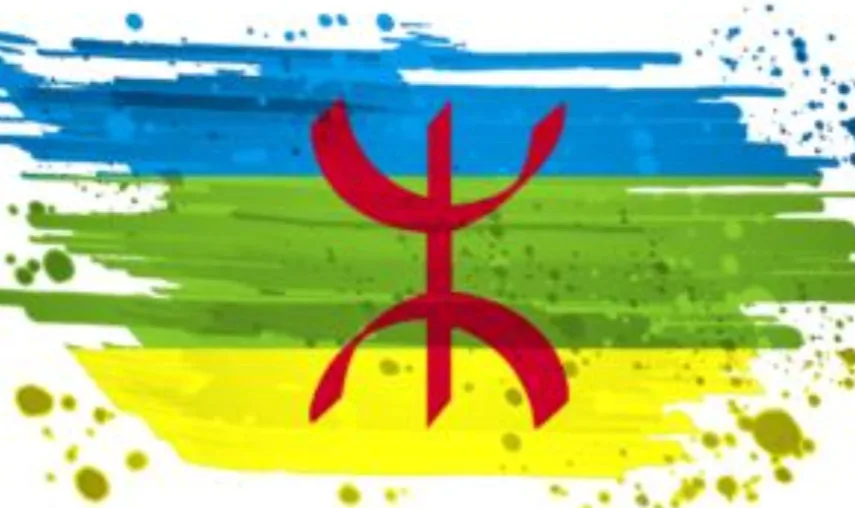
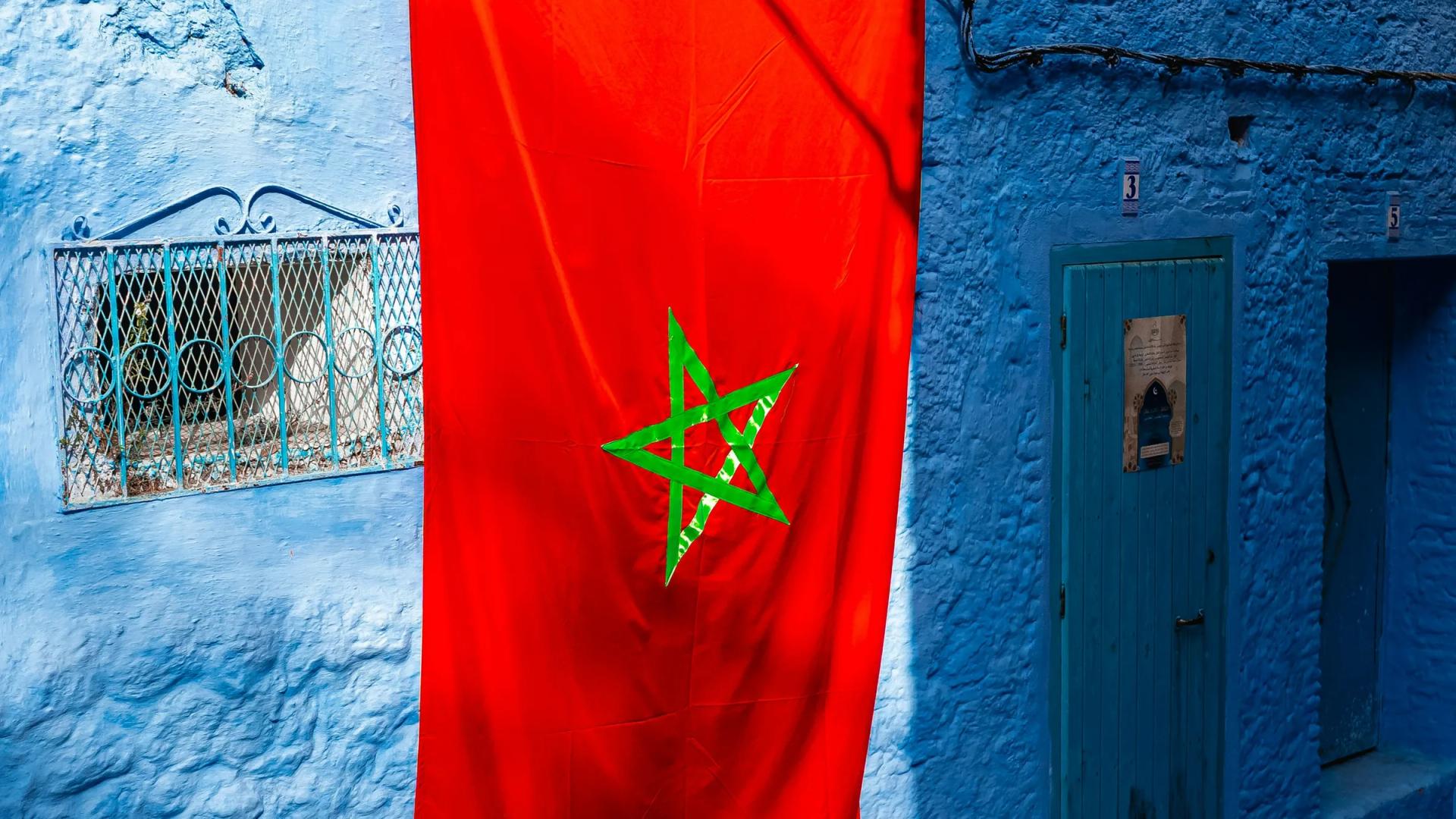
Amazigh Flag
Language
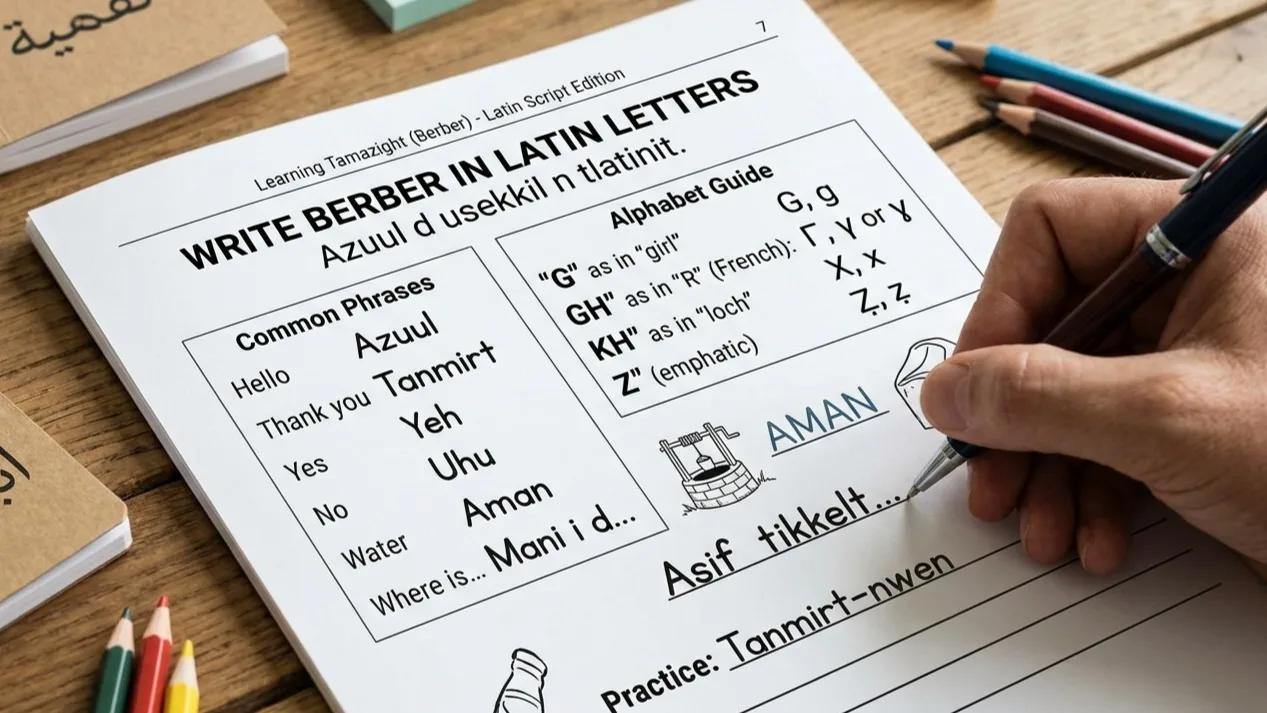
Amazigh languages (Tashelhit, Tamazight, Tarifit) are spoken by millions of Moroccans and are now an official language alongside Arabic. I grew up speaking Tashelhit in a village where it was the only language anyone used until you walked into a classroom, so seeing Tifinagh on road signs and government buildings today, something that simply didn't exist when I was a kid, still catches me a little every time. You will see the distinctive Tifinagh script on road signs and public buildings. A few words, azul (hello), tanmirt (thank you), are warmly received.
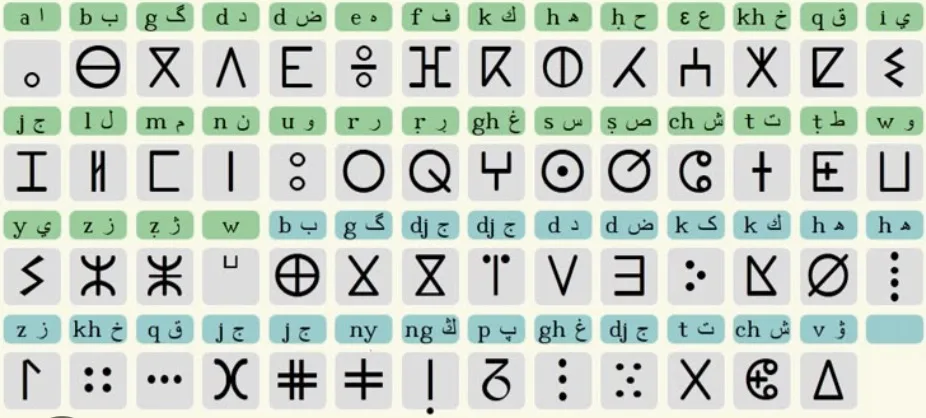
amazigh tifinagh
Music, crafts, and hospitality
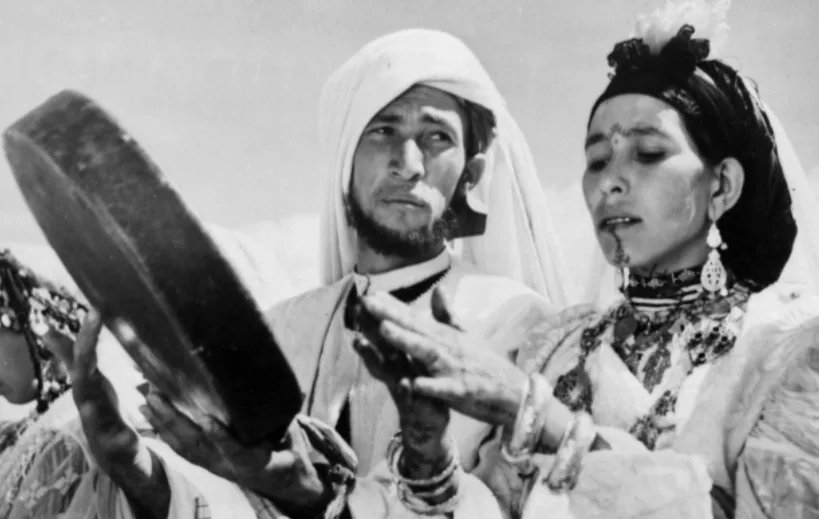
ahidous
How to experience Berber culture respectfully
FAQ
What is the difference between Berber and Amazigh
They refer to the same people. "Amazigh" (plural Imazighen) is the name the community uses for itself and is now preferred; "Berber" is the older term derived from outsiders. Both are widely understood.
Are most Moroccans Berber
A large share of Moroccans have Amazigh heritage, and many identify as Amazigh, especially in the Atlas Mountains, the Rif, the Souss, and the south. Moroccan identity blends Amazigh and Arab roots.
What language do Berbers speak
Amazigh languages, mainly Tashelhit, Tamazight, and Tarifit, written in the Tifinagh script. Amazigh is an official language of Morocco alongside Arabic.
How can travelers experience Berber culture
Visit Amazigh villages in the Atlas Mountains or with a local guide, share mint memories, support women's cooperatives, and choose family-run cultural experiences.
Writing this as someone who learned Tashelhit before I ever learned Arabic, I hope it helps you see Morocco a little the way my family always has, not just as a place to pass through, but as a home with its own language, rhythm, and welcome.