Experience Morocco One Bite at a Time
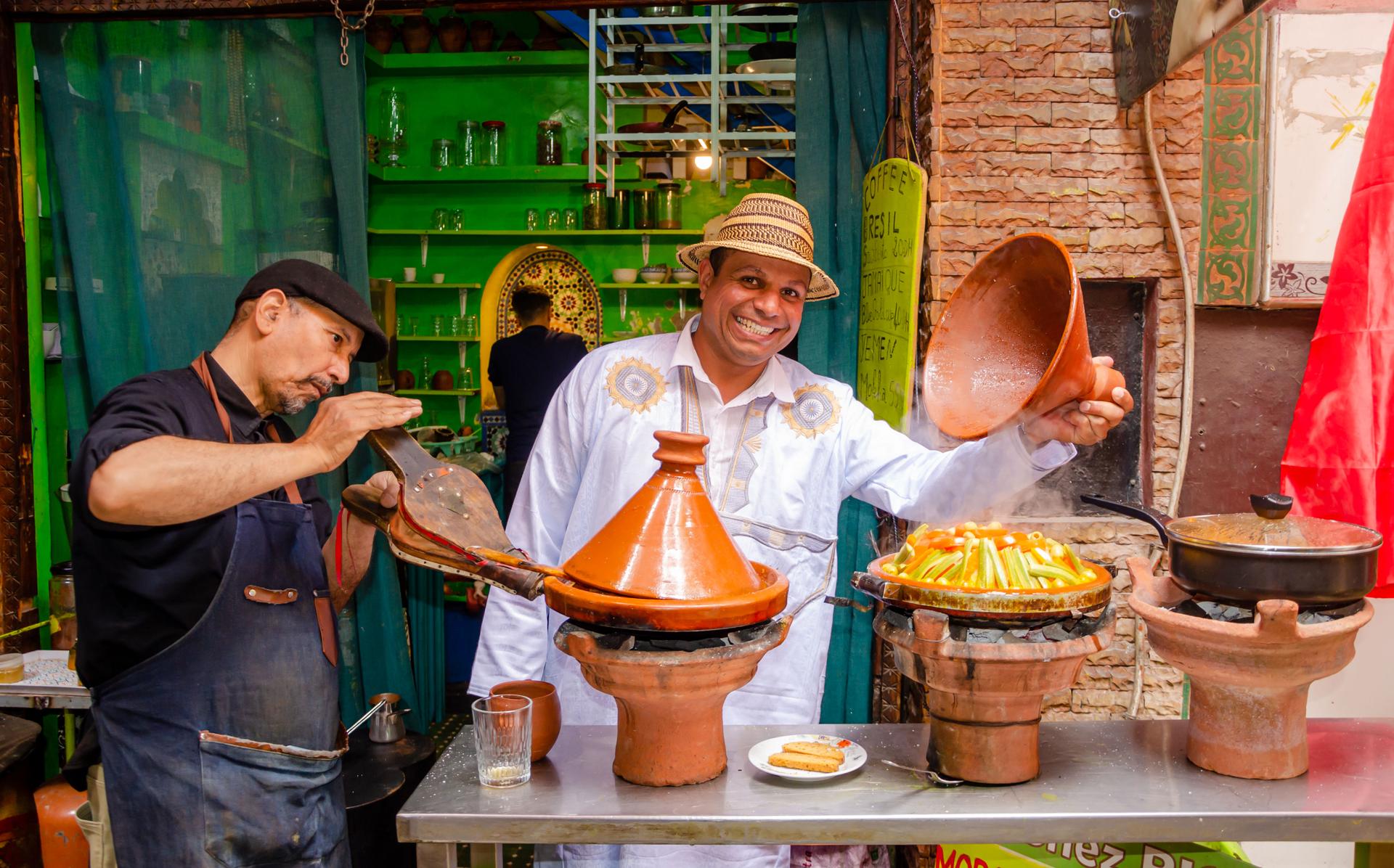
You can read about Moroccan food, watch videos online, or save dozens of restaurant recommendations—but nothing compares to wandering the streets with a local who knows where the city truly eats. Morocco's greatest meals are rarely found behind elegant restaurant doors. They're tucked away in narrow alleyways, hidden inside centuries-old markets, or prepared by families who have been perfecting the same recipes for generations.
A local food tour isn't simply a tasting experience. It's a journey through Morocco's history, culture, and daily life. Every stop tells a story, every spice has a purpose, and every vendor has inherited traditions that stretch back decades, sometimes centuries.
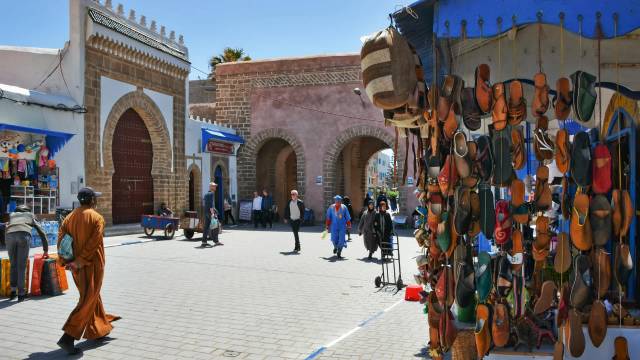
From the moment you meet your local guide, you'll leave the tourist trail behind and discover the Marrakech that locals experience every day. You'll walk through bustling souks, quiet residential streets, historic neighborhoods, and lively food markets while learning about Moroccan customs, architecture, and the people who make the city's culinary scene so unique.
Unlike large group tours that only stop at a few restaurants, this experience is designed to introduce you to the incredible diversity of Moroccan street food. You'll meet passionate cooks, family-owned vendors, traditional bakers, and grill masters whose recipes have remained unchanged for generations.
What You'll Taste
Every tour is slightly different because Moroccan markets change with the seasons, but you'll enjoy many of the country's most iconic specialties.
Moroccan Msemen
The tour begins with one of Morocco's favorite breakfasts. Fresh msemen is folded by hand before being cooked on a hot iron griddle until perfectly golden and flaky. Instead of the sweet version served with honey, you'll enjoy the authentic local favorite topped with a rich sauce of tomatoes, onions, coriander, olive oil, and Moroccan spices. It's simple, comforting, and packed with flavor.
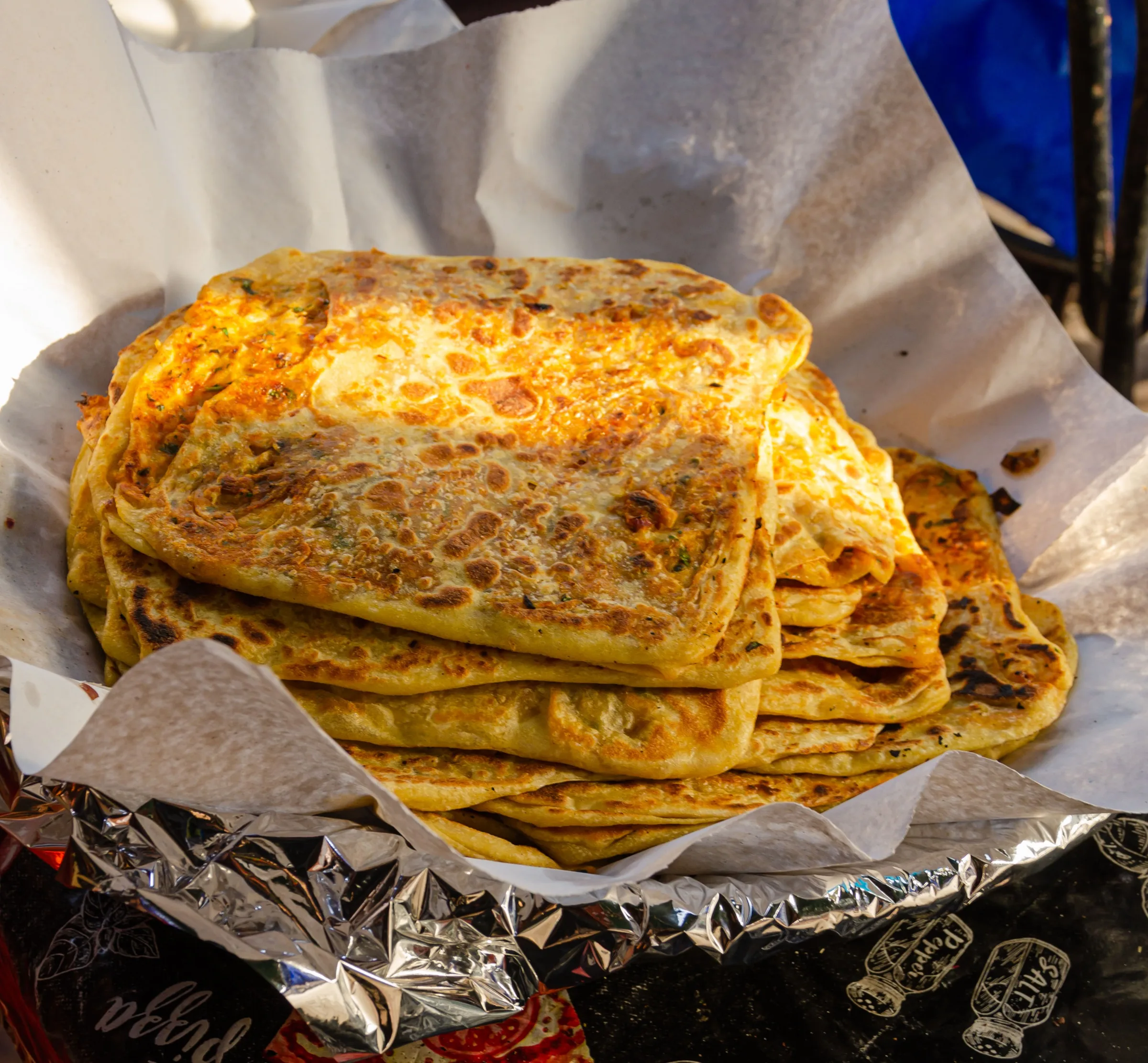
msmen
Traditional Harira
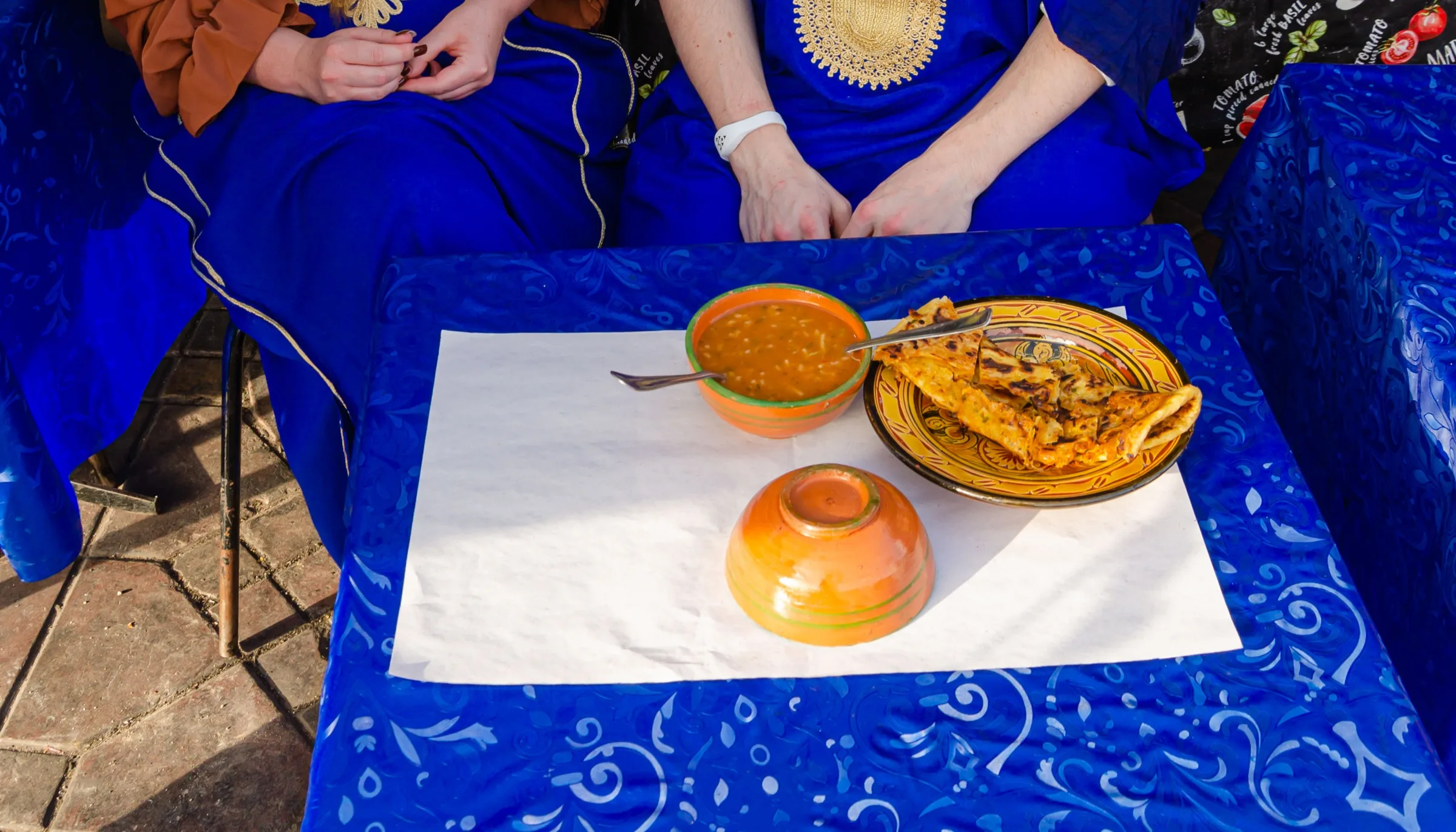
lhrira
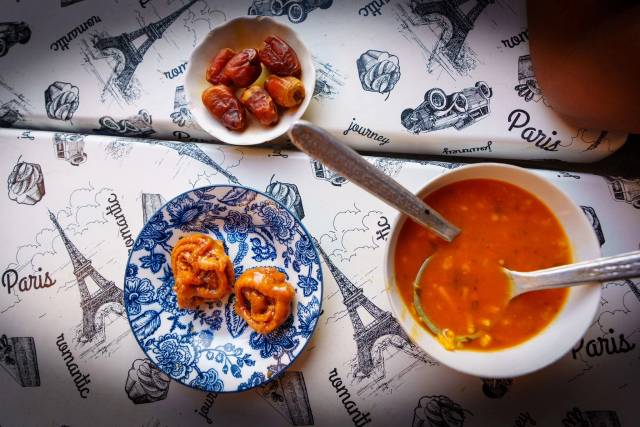
No Moroccan food experience would be complete without Harira. This famous soup combines tomatoes, lentils, chickpeas, herbs, and aromatic spices into a hearty bowl enjoyed throughout the country. It's traditionally served with sweet Chebakia pastries and fresh dates, creating the perfect balance of savory and sweet that Moroccans have loved for centuries.
Makla Bel Kefta
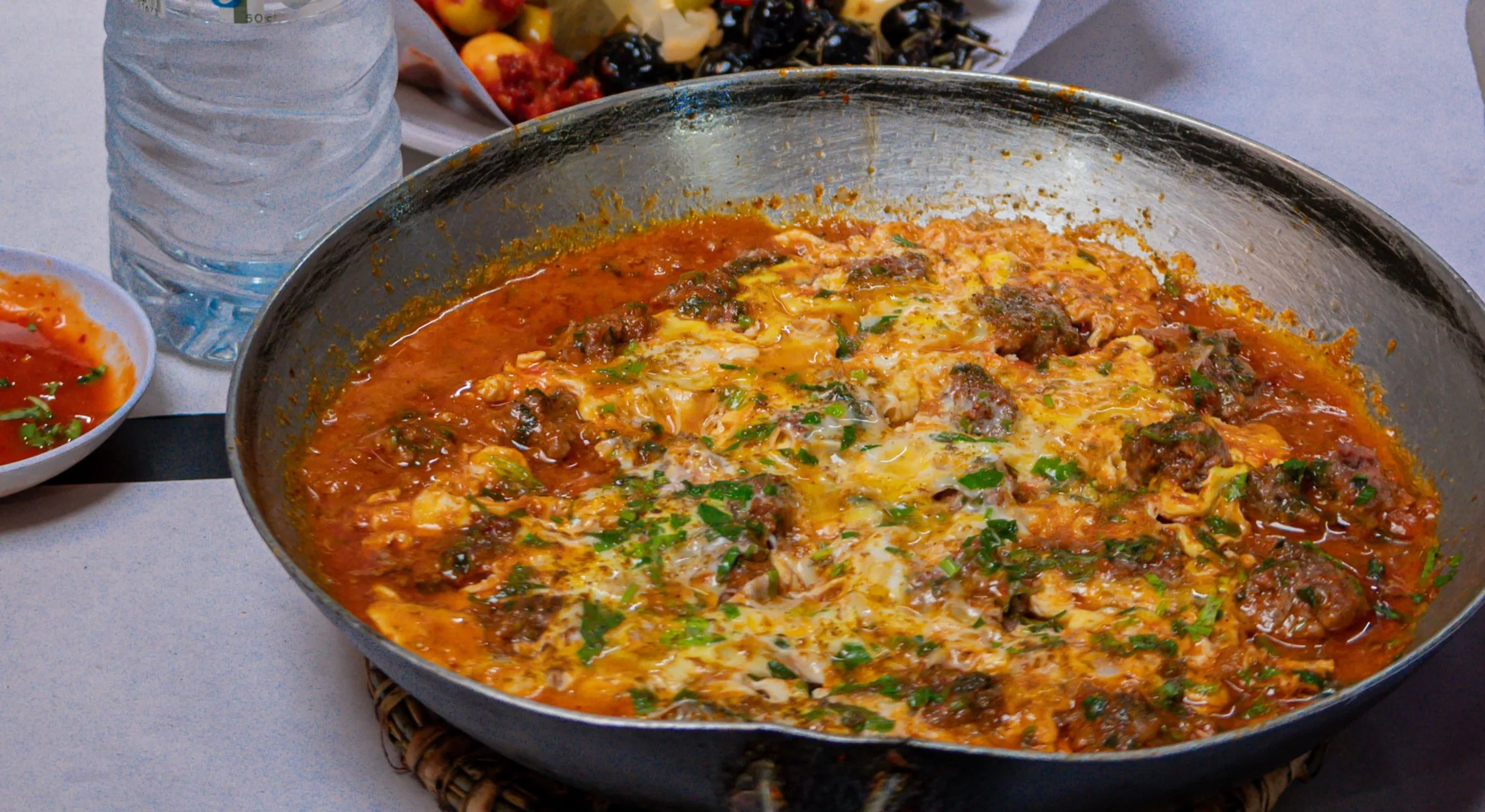
makla
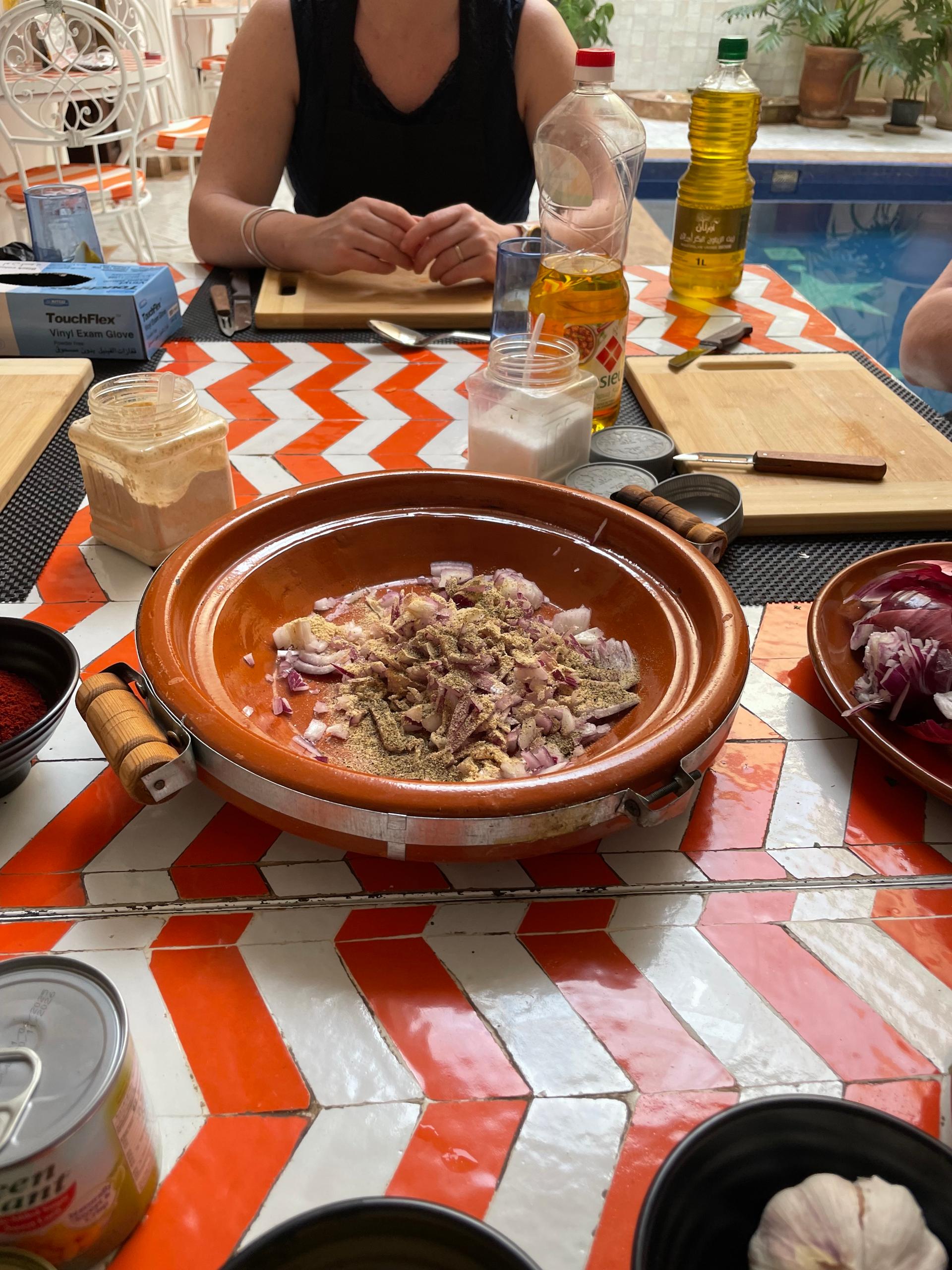
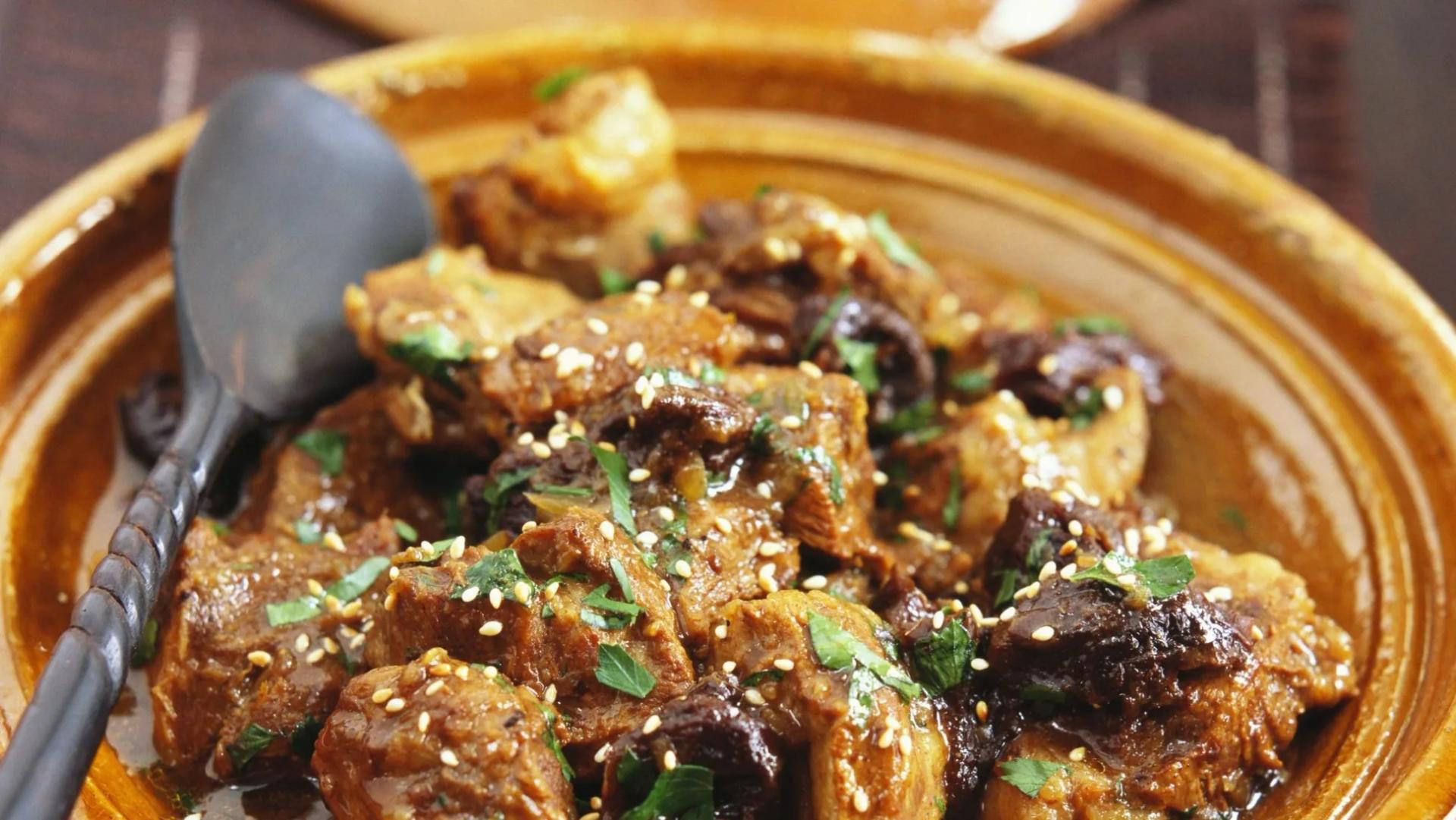
Served bubbling hot in a traditional clay tagine, Makla Bel Kefta features tender beef meatballs slowly cooked in a rich tomato sauce flavored with garlic, cumin, paprika, parsley, and fresh herbs. It's one of Morocco's ultimate comfort foods and is always eaten with fresh bread instead of utensils.
Fresh Sfenj
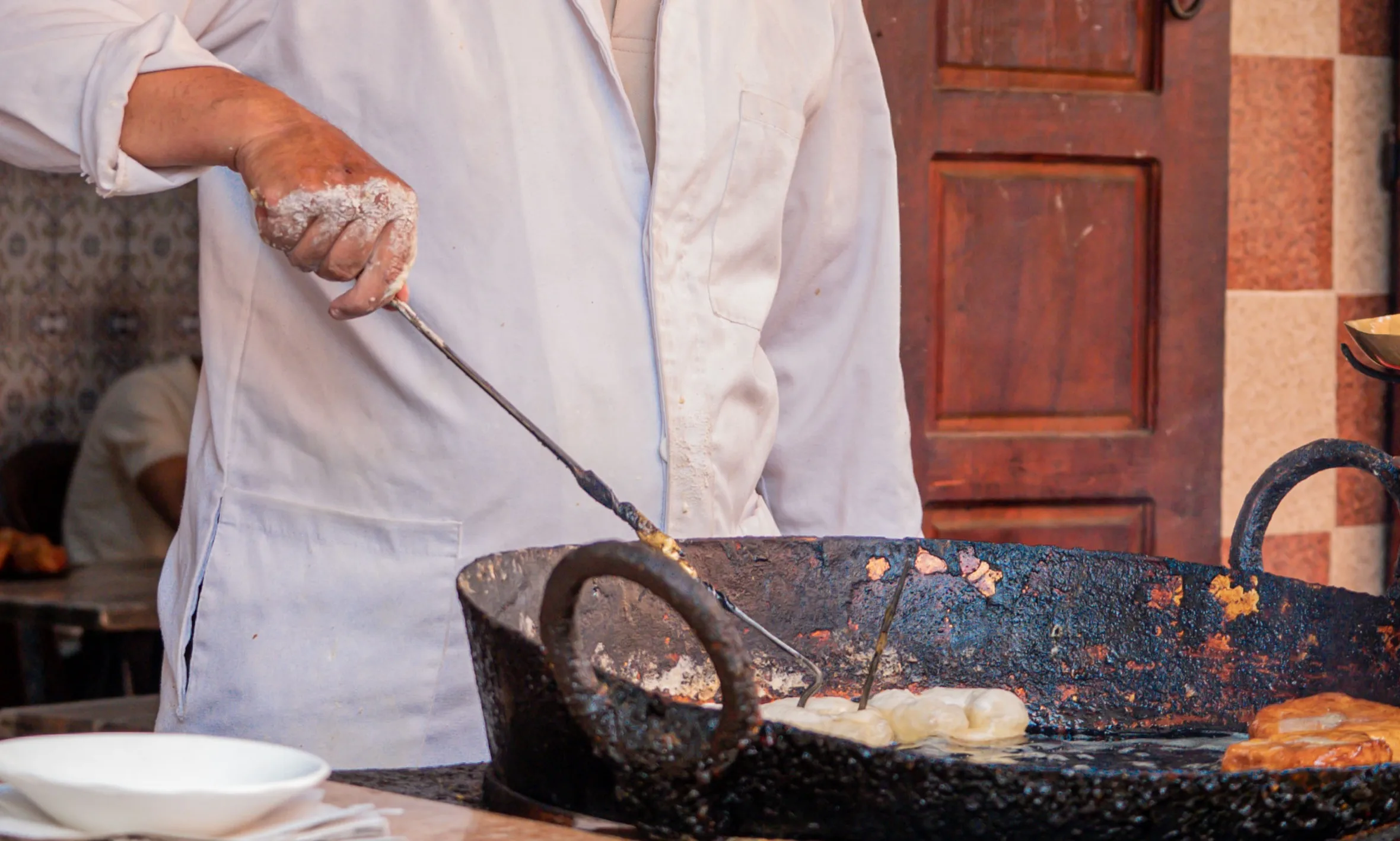
mol sfenj
As you continue through the medina, the smell of fresh dough will lead you to one of Morocco's most beloved snacks. Sfenj, often called the Moroccan doughnut, is fried fresh throughout the day before being served warm with a crisp exterior and a soft, airy center. Watching the dough being shaped by hand is almost as enjoyable as tasting it.
Lfranatchi and Traditional Tanjia
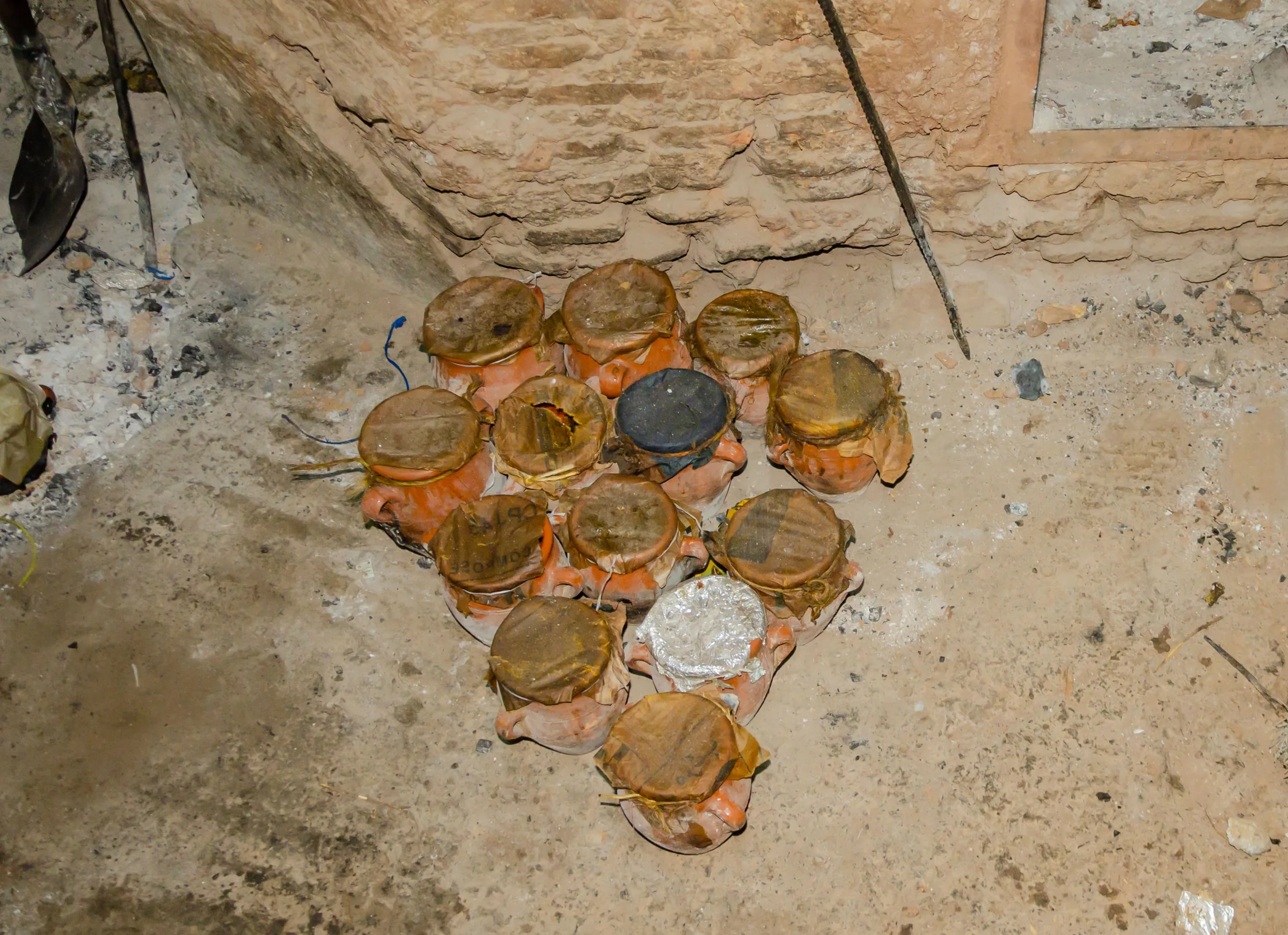
tanjia
One of the most fascinating stops on the tour is the legendary Lfranatchi. Hidden among Marrakech's old streets, these traditional wood-fired ovens have been used for generations to bake bread and slowly cook Tanjia.
Unlike tagine, Tanjia is prepared inside a clay pot filled with beef or lamb, preserved lemons, garlic, saffron, cumin, olive oil, and Moroccan spices before being sealed and left to cook for several hours in the hot ashes beneath the hammam's furnace.
The result is incredibly tender meat infused with deep smoky flavors that simply cannot be recreated in a modern kitchen.
Shwa Moroccan Barbecue
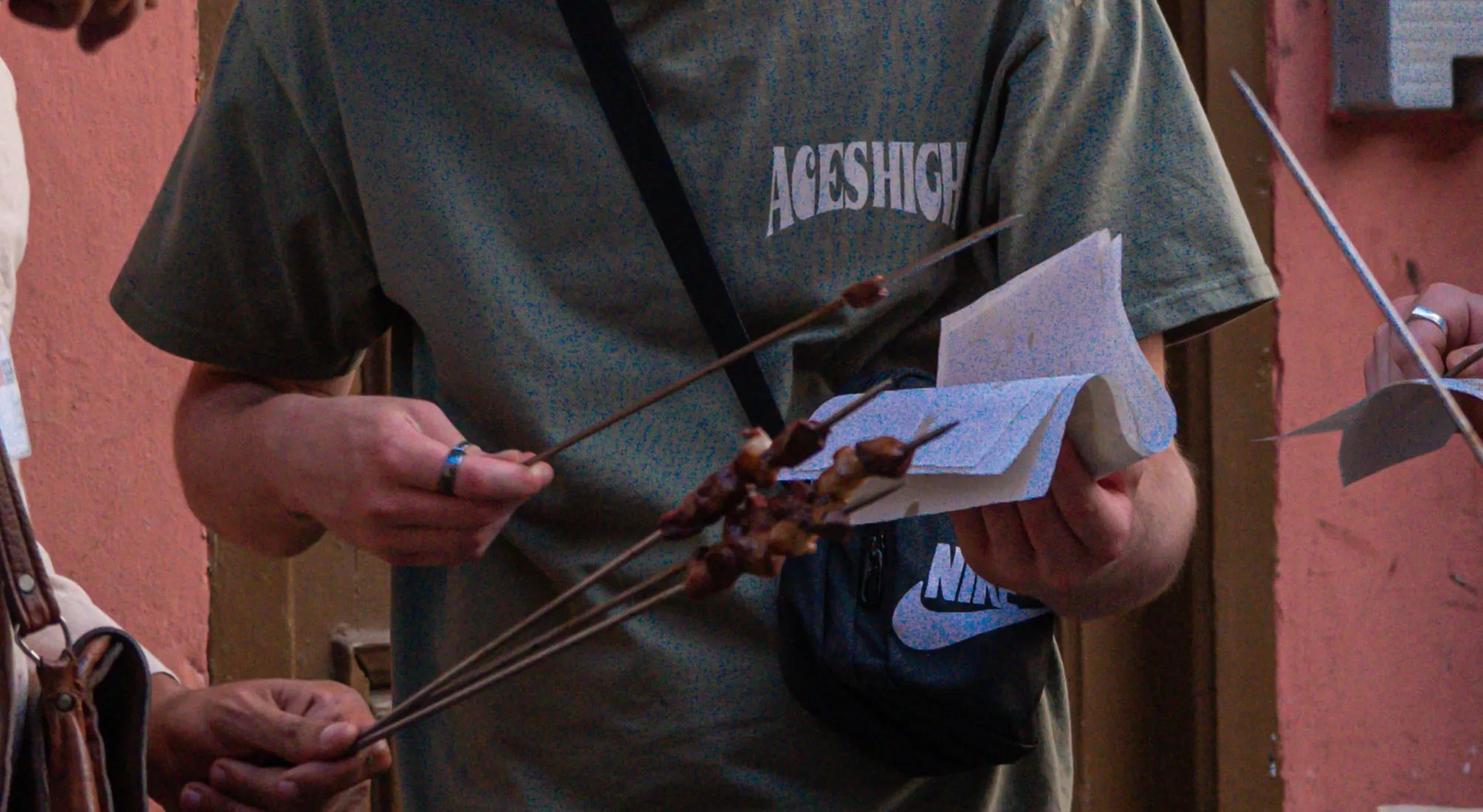
shwa
Next comes one of the highlights for meat lovers. Fresh cuts of beef, turkey, and liver are seasoned with traditional spices before being grilled over glowing charcoal. The aroma alone attracts locals from every corner of the neighborhood.
Served with warm bread, salt, cumin, and spicy harissa, Moroccan barbecue celebrates the country's love of simple ingredients cooked perfectly.
Rass Lmbkher
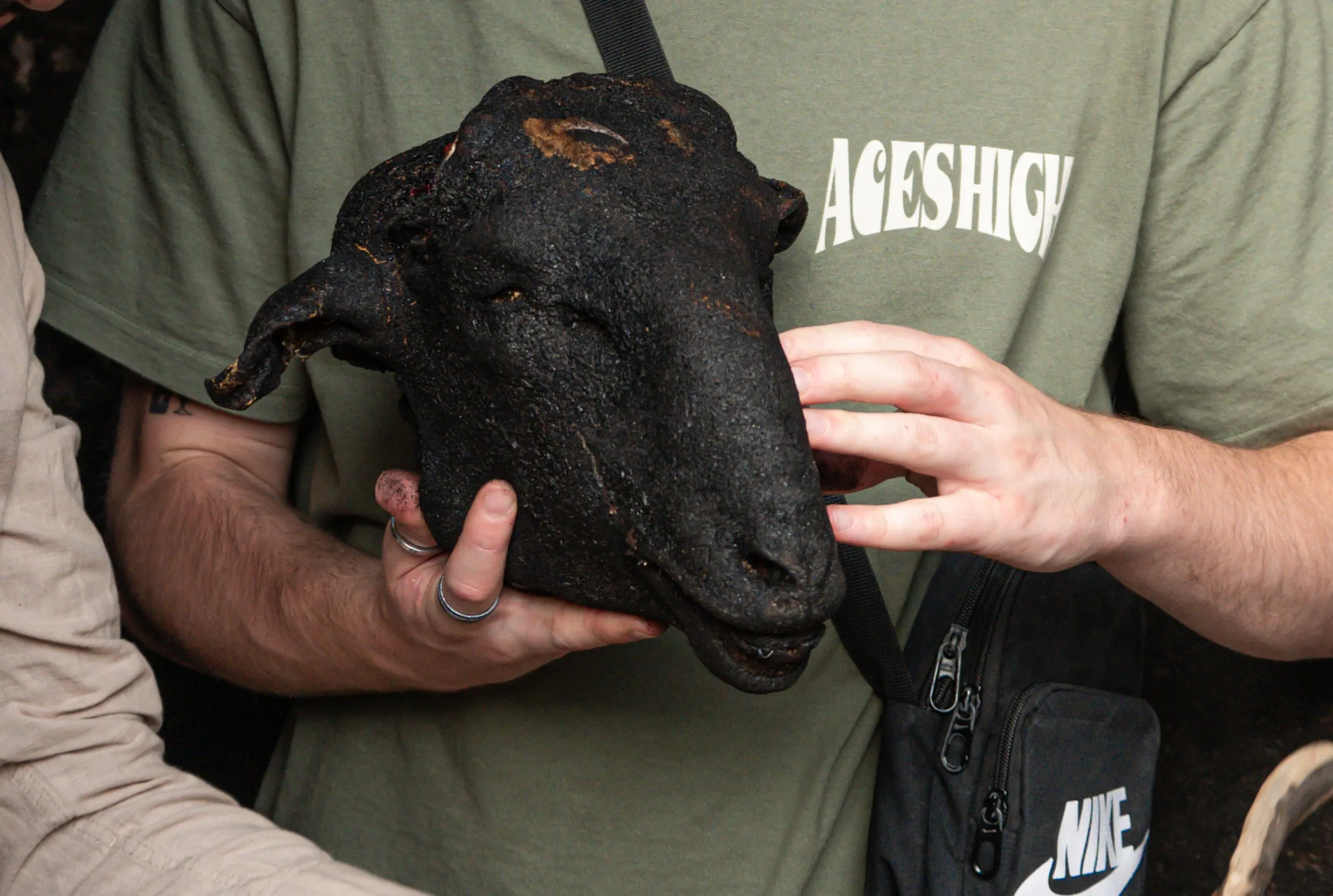
lhm rass
For adventurous food lovers, Rass Lmbkher offers an authentic glimpse into Moroccan culinary traditions. Sheep's head is slowly steamed until incredibly tender before being lightly seasoned with cumin and salt.
While it may surprise first-time visitors, this dish is considered a delicacy throughout Morocco and demonstrates the country's philosophy of respecting every part of the animal.
Refreshing Panaché
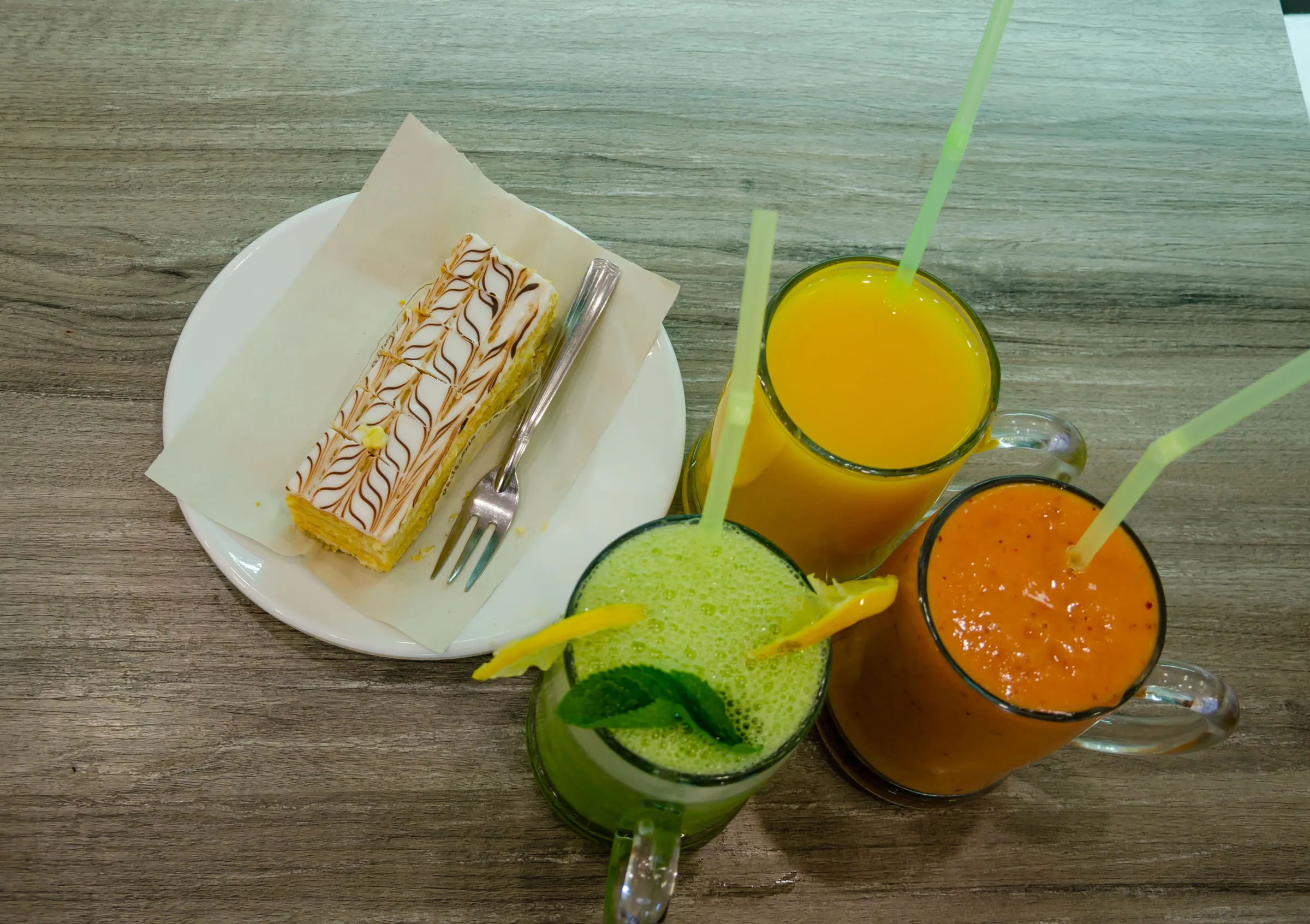
Panache
After several savory dishes, it's time for something refreshing. Panaché is one of Morocco's most popular fresh fruit drinks, blending seasonal fruits with milk or fresh orange juice to create a rich, naturally sweet smoothie. Every café has its own version, depending on which fruits are available.
Khodnjal
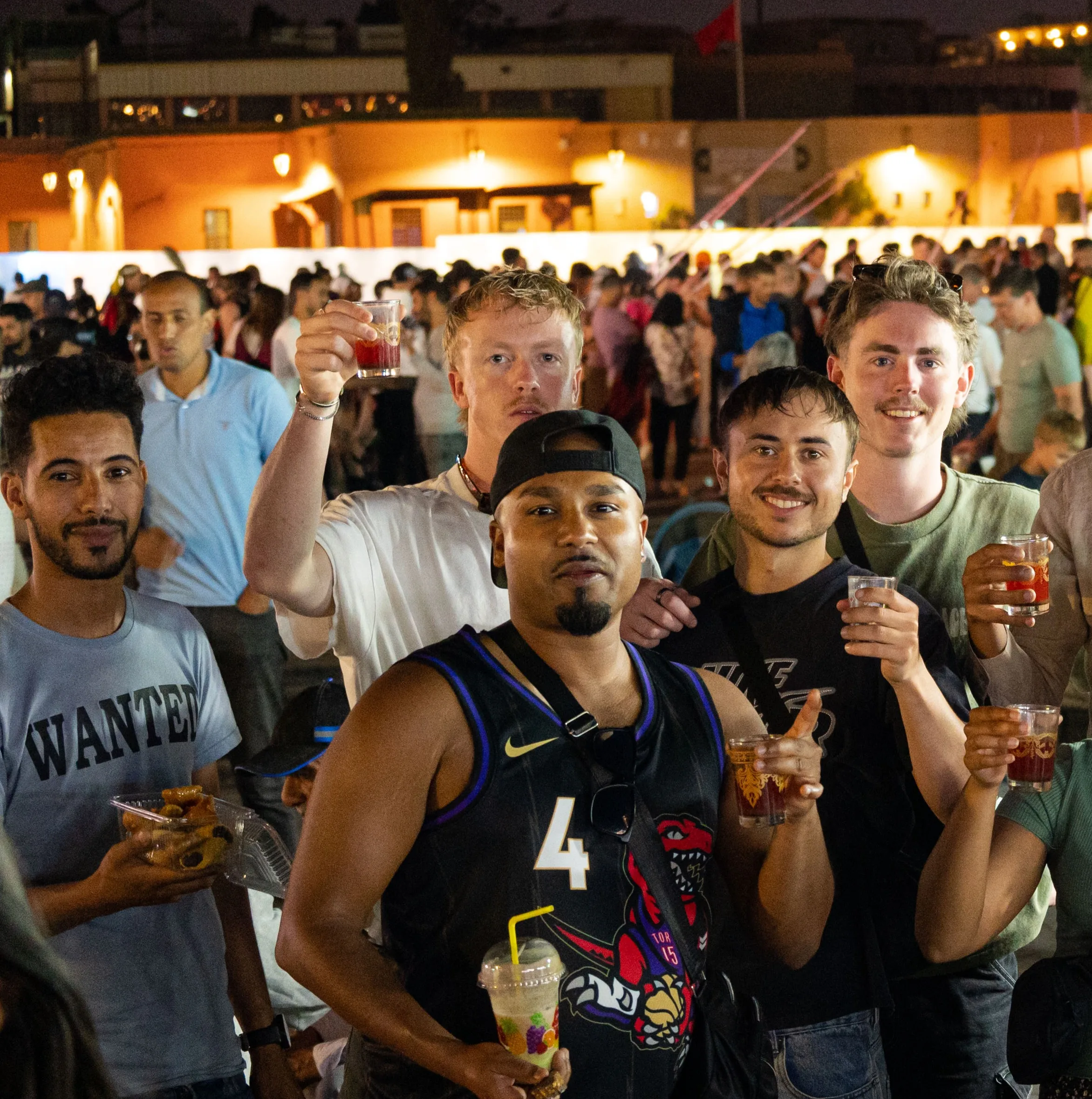
Khodnjal Tea
To finish the meal like a true local, you'll enjoy a hot cup of Khodnjal. Made from herbs, eucalyptus, ginger, and warming spices, this traditional infusion is believed to aid digestion after a large meal while providing a soothing finish to the culinary journey.
Hidden Surprises Along the Way
The dishes above are only part of the experience.
Depending on the season and what's freshly prepared that day, your guide may introduce you to local olives, Moroccan sweets, seasonal fruits, fresh almonds, traditional breads, homemade pastries, mint tea, roasted nuts, preserved specialties, or family recipes that aren't listed on any menu.
Many of these stops aren't planned—they happen naturally as you walk through neighborhoods where vendors recognize your guide and invite you to taste something they've just prepared.
That's what makes every food tour unique.
More Than a Food Tour
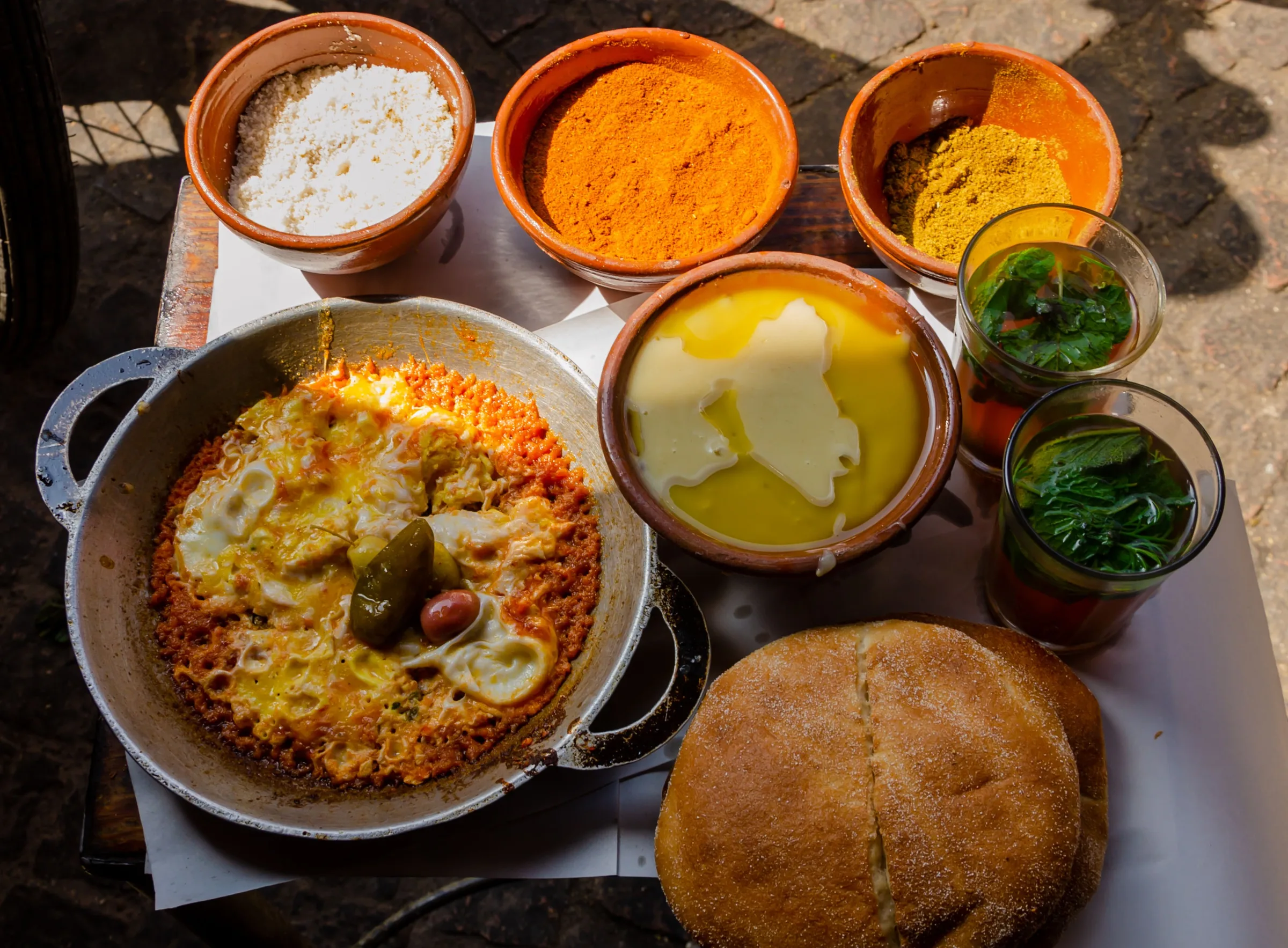
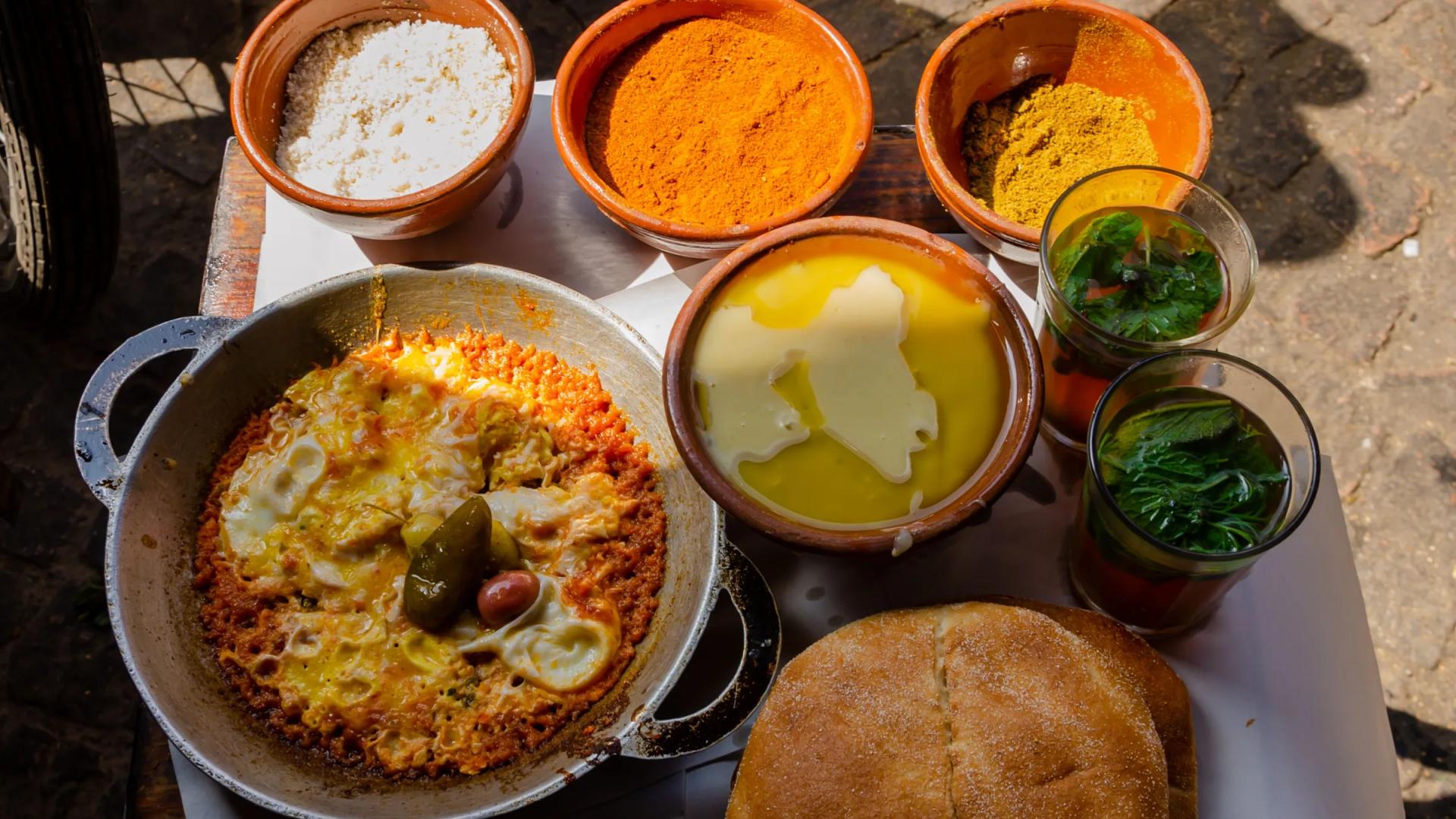
bissara
A creamy fava bean soup enjoyed across northern Morocco
This experience is about far more than eating.
You'll learn why Moroccan bread is baked in communal ovens, discover how spices arrived through ancient caravan routes, understand why certain dishes are eaten during religious celebrations, and hear the fascinating stories behind centuries-old recipes that continue to define Moroccan cuisine today.
Along the way you'll meet bakers, butchers, spice merchants, fruit sellers, tea makers, and street cooks who proudly continue traditions passed down through their families.
By the end of the tour, you'll leave not only full, but with a deeper understanding of Morocco, its people, and its incredible culinary heritage.
It's the kind of experience that transforms a simple meal into one of the most memorable parts of your journey.