The Food Most Tourists Eat Is Not the Food We Eat
I love watching new visitors order their first meal in Marrakech. They arrive certain they know Moroccan food. They have seen the photos. They know the words tagine and couscous. Then they sit down at a busy restaurant near Jemaa el Fna, order both at lunchtime on a Tuesday, and it is fine, really, but it is not what we actually eat at home. Here are the most common mistakes I see, and how to fix them.
Mistake 1: Eating Couscous Any Day Except Friday
Couscous is the Friday meal. It is the dish that brings the family together after the Friday prayer. In most Moroccan homes, couscous is not eaten any other day of the week. So when you order couscous on a Monday in a tourist restaurant, what arrives is steamed semolina that was prepared early in the day to feed visitors who would be confused if it were not on the menu.
If you want to taste real couscous, find a restaurant that serves it only on Fridays, or join a Friday family lunch through a guided experience. The texture is completely different. Steamed three times by hand, light as snow, with seven vegetables and tender lamb on top. It is one of the great dishes of the world. Tuesday couscous is not.
Mistake 2: Confusing Tagine the Dish With Tagine the Pot
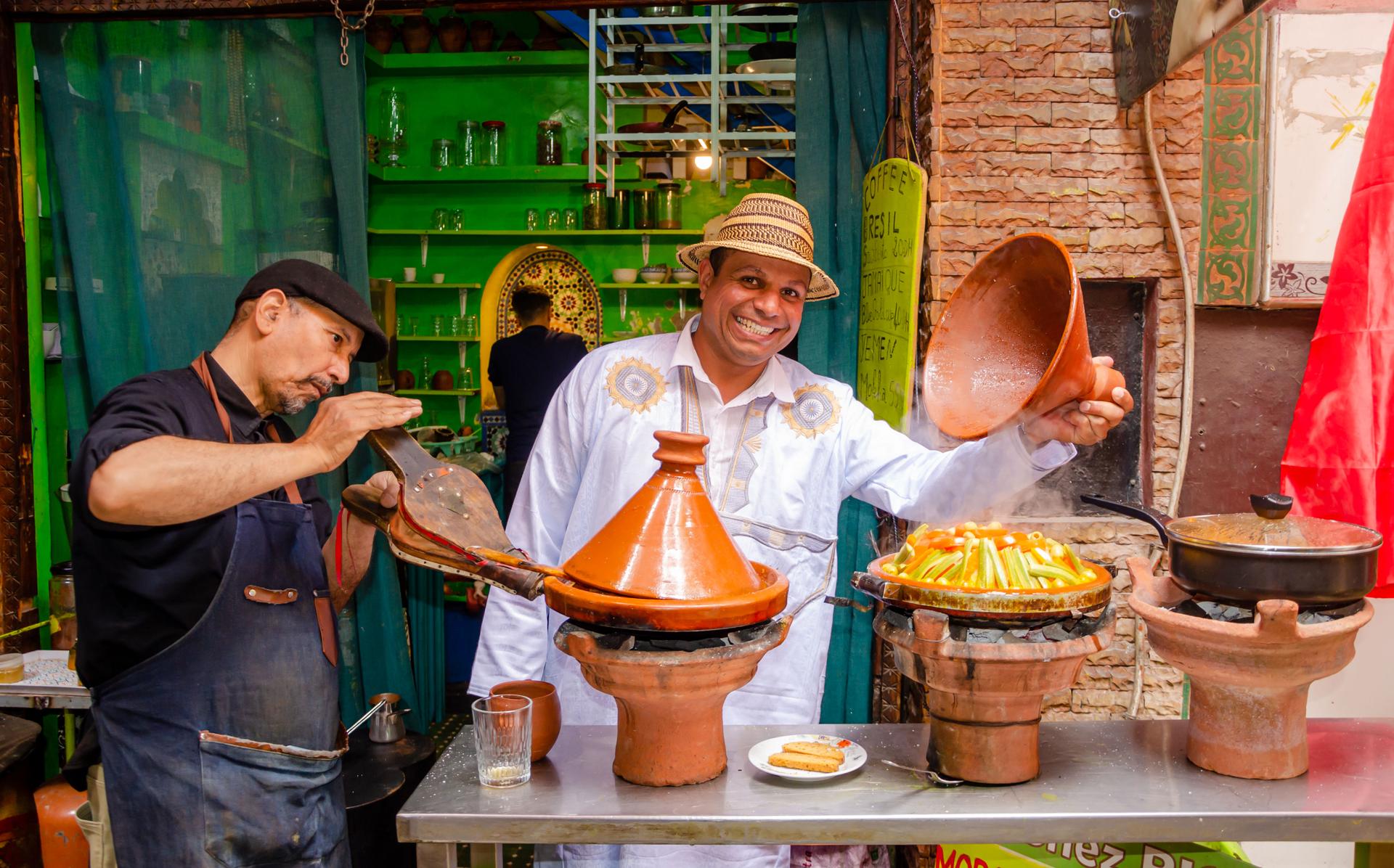
Tagine is the conical clay pot. The food cooked inside it can be many different stews. When a Moroccan says "I want tagine for dinner" it is the same as an Italian saying "I want pasta." It is not a single dish. Common varieties:
- Tagine of chicken with preserved lemon and olives
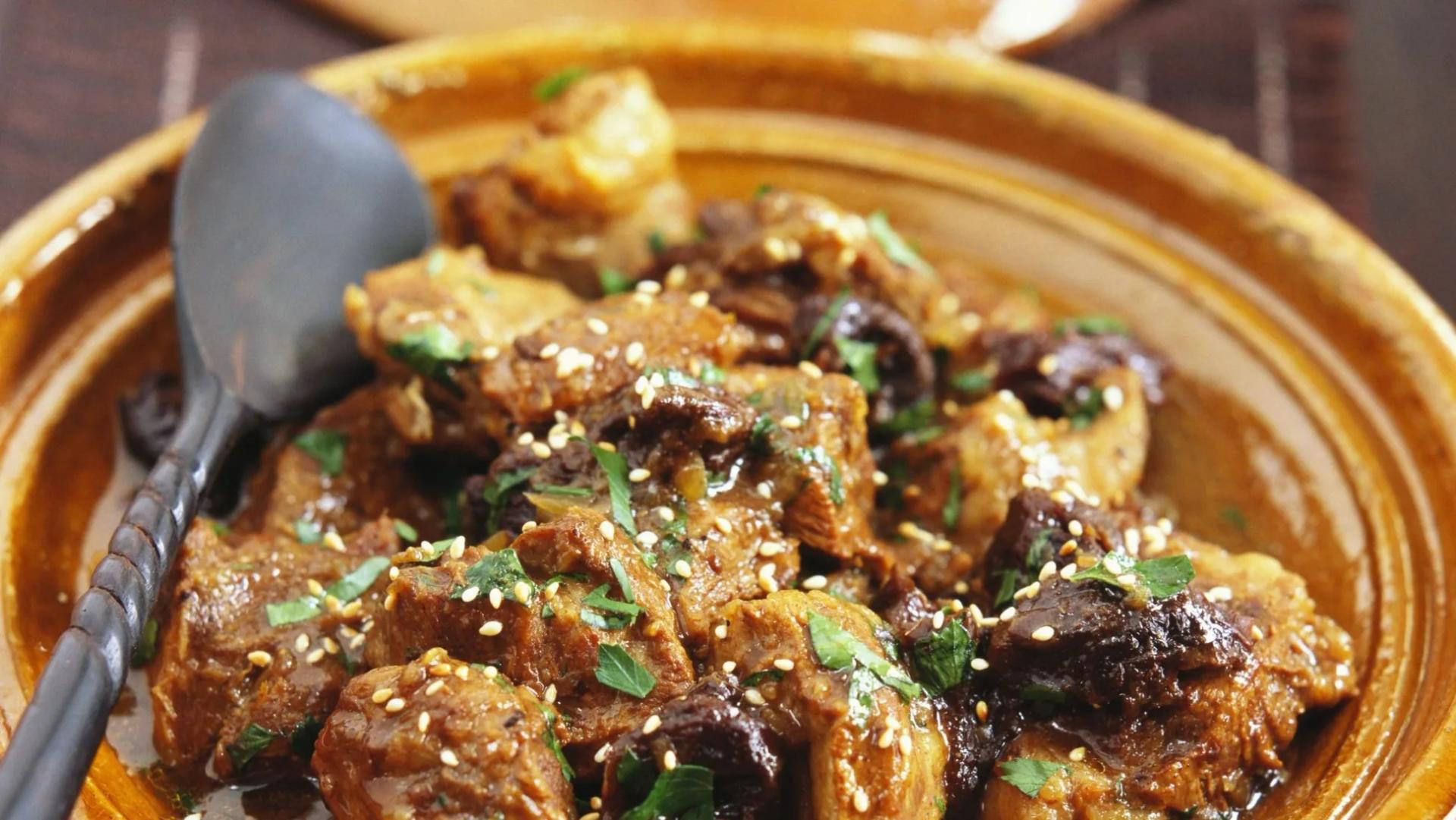
- Tagine of lamb with prunes and almonds (sweet style)
- Tagine of beef with quince
- Tagine of meatballs (kefta) with eggs cracked on top
- Vegetable tagine with seven vegetables (the everyday home version)
Each tastes completely different. Trying one is not "trying tagine."
Mistake 3: Skipping Moroccan Breakfast Street Food
Moroccan breakfast is a hidden world. Most riads serve the polished version (msemen, jam, eggs, fruit, tea). The real treasure is on the street.
- Bissara. A thick fava bean soup with cumin, paprika, olive oil and good bread. Sold from small stalls and tiny restaurants from 6am to about 11am. Five to ten dirhams.
- Sfenj. Moroccan doughnut. Crispy outside, fluffy inside, eaten plain, with sugar, or with honey. Watch the street fryer make them, then eat one on the spot. Two to three dirhams each.
- Msemen and baghrir. Square folded flatbread (msemen) or thousand hole pancakes (baghrir), served with honey and butter. The msemen vendors near the medina gates start work before dawn.
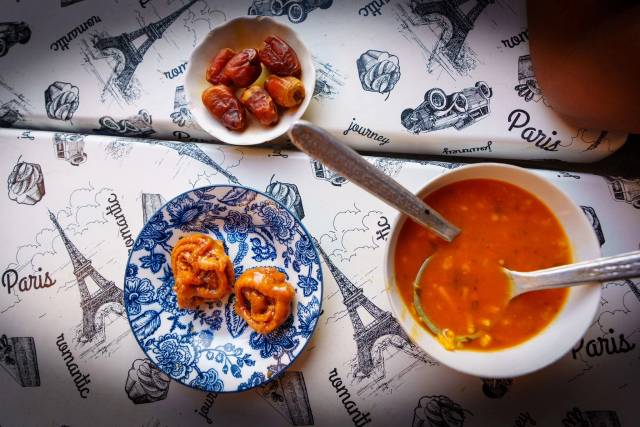
- Harira at dawn. During Ramadan it is the iftar soup, but year round there are stalls that serve harira to workers starting their shift at 5am. Hot, salty, soothing, with dates on the side.
If you only eat breakfast at your riad, you miss what locals actually wake up for.
Mistake 4: Drinking Mint Tea Wrong
Three things to know.
The pour from a height matters. It is not showmanship. The high pour aerates the tea and creates the characteristic foam (called the "turban"). A flat pour from low altitude makes the tea taste duller. If your host pours from a high arc, do not try to "help" by holding the glass closer.
Never refuse the third glass. A Moroccan proverb says: "The first glass is gentle like life, the second strong like love, the third bitter like death." Refusing the third is socially clumsy. Take it, sip it, and you can leave it half full at the end if needed.
Sugar levels. Real Moroccan mint tea is sweet. Very sweet. Asking for unsweetened tea is fine, but understand that the sweetness is part of the chemistry, not just the taste. A Moroccan host who asks "with sugar?" expects you to say yes.
Mistake 5: Over Ordering at Restaurants
Moroccan portions are large and the meal is usually structured: bread and salads, then a main, then mint tea and a small dessert. Tourists often order a starter, a tagine, a couscous and a pastilla "to share" for two people. The food piles up, half goes uneaten, and you miss the rhythm of the meal.
Better strategy for two people: one shared salad platter, one main, mint tea. If you are still hungry, you order more. Restaurants will not be offended. They will be relieved, because they hate seeing food wasted.
Mistake 6: Avoiding Street Food Entirely
The fear of street food in Morocco is mostly outdated. The biggest stalls in Jemaa el Fna serve thousands of meals a day, the turnover is fast, and the food is cooked hot in front of you.
Tells of a clean stall:
- High turnover (locals eating at the bar)
- Cooking happens in front of you
- The vendor handles money with one hand and food with the other
- Bread is wrapped in paper, not handed loose
- Hot food served on hot plates, not lukewarm
What I avoid: cold salads at outdoor stalls, cut fruit displayed in the sun, anything that looks like it has been sitting for a while.
Mistake 7: Thinking Harira Is Just a Ramadan Soup
Yes, harira is the iconic Ramadan iftar soup. But it is also a year round comfort food sold in working class restaurants every day. A bowl of harira with chebakia (sticky honey sesame pastry) and a date is one of the most satisfying meals you can have in Morocco for under 20 dirhams.
Mistake 8: Asking for "Spicy" Without Knowing What That Means
Moroccan food is aromatic, not spicy in the chilli sense. We use cumin, paprika, ginger, saffron, turmeric, cinnamon, ras el hanout. Heat comes from a side condiment called harissa or from a fresh chilli paste. When you ask for "spicy" the kitchen often responds by adding heat where the dish was not designed for it. The result is unbalanced.
Better: ask for harissa on the side. Add it to your taste. The dish stays in balance, and you can dial up the heat per bite.
Mistake 9: Missing the Neighbourhood the Food Is From
Moroccan food is regional. Each city has its own signature.
- Marrakech: Tangia (lamb slow cooked in a clay urn, traditionally a man's dish prepared in the public hammam ovens)
- Fes: Pastilla (sweet and savoury pigeon pie under fine warqa pastry)
- Essaouira: Grilled fish straight off the boat at the port
- Chefchaouen and the Rif: Bissara and goat cheese
- Saharan towns: Medfouna (stuffed flatbread) and camel meat dishes
Eating tangia in Marrakech is correct. Eating pastilla in Marrakech is fine but you will get the better version in Fes. Travel changes what you should order.
Mistake 10: Eating Only at the Riad
Riads do beautiful food but it is often a softened, stylised version of Moroccan home cooking. You miss the working class restaurants where the real flavours live. At least two of your dinners should be off the riad.
Mistake 11: Not Trying Offal
Snail soup (babouche) sold from carts. Sheep's head (boulfaf) at the market on Eid. Tongue tagine. Liver skewers on the grill at Jemaa el Fna. These are deeply traditional dishes. You do not have to love them. You should at least try one. Many of my visitors who arrived skeptical now ask for the snail soup the second they land.
What I Wish Every Visitor Knew
The food most tourists eat in Marrakech is good. The food locals eat is better, cheaper and more varied. The gap between those two worlds is not a secret kept by anyone. It is just a question of whether you walk three streets further from the postcard square, ask the right questions, and order a little less but a little more curiously.
FAQ
Do Moroccans really eat couscous every Friday
Yes, in most households. Friday is the family couscous day after midday prayer. Most local restaurants serve couscous on Fridays. Outside Friday, you will find couscous in tourist restaurants but rarely at a Moroccan family table.
Is tagine eaten every day in Morocco
Not really. Tagine is special occasion or weekend cooking for many families. Day to day meals lean on simpler dishes: lentils, bissara, salads, grilled fish on the coast, and lots of bread. The tourist menu makes tagine look like a daily staple.
Is Moroccan food spicy hot
No. Moroccan food is heavily spiced (cumin, coriander, ginger, saffron, ras el hanout) but rarely chilli hot. The exception is harissa, served on the side. If you want heat, ask for harissa, it is not on the table by default.
Should I eat with my hands like locals do
In casual settings, yes, using bread as a scoop and your right hand only. In restaurants and with strangers, cutlery is fine and not considered rude. Tearing bread and using it as a utensil is part of the experience.
What is the most overrated Moroccan dish for tourists
Pastilla in tourist restaurants. Real pastilla is slow cooked and complex, but cheap tourist versions are dry and oversweet. The better surprise is mechoui, slow roasted lamb, especially at lunchtime in Marrakech’s mechoui alley.