There's No Single "Best" Month
Morocco is four countries in one. The Atlantic coast, the imperial cities, the High Atlas mountains, and the desert each have a different climate at the same time of year. Choosing the right month depends on which mix you want. Here is what each month really feels like, and which traveller it suits.
The Four Moroccos
Before the calendar, understand the geography.
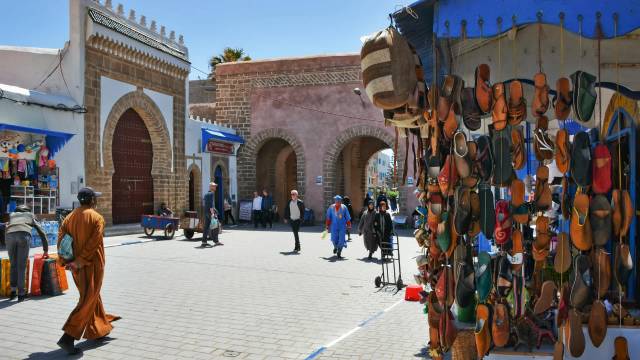
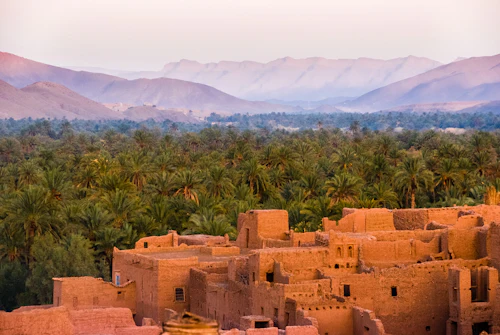
The cities (Marrakech, Fes, Meknes, Casablanca, Rabat): Hot, dry summers and mild winters with cool nights. Marrakech is hotter than Fes all year round.
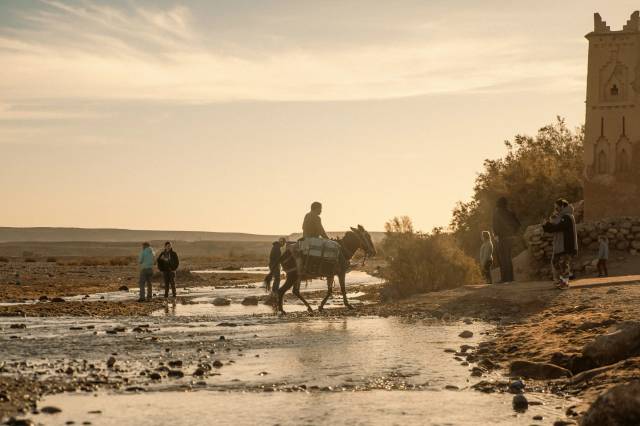
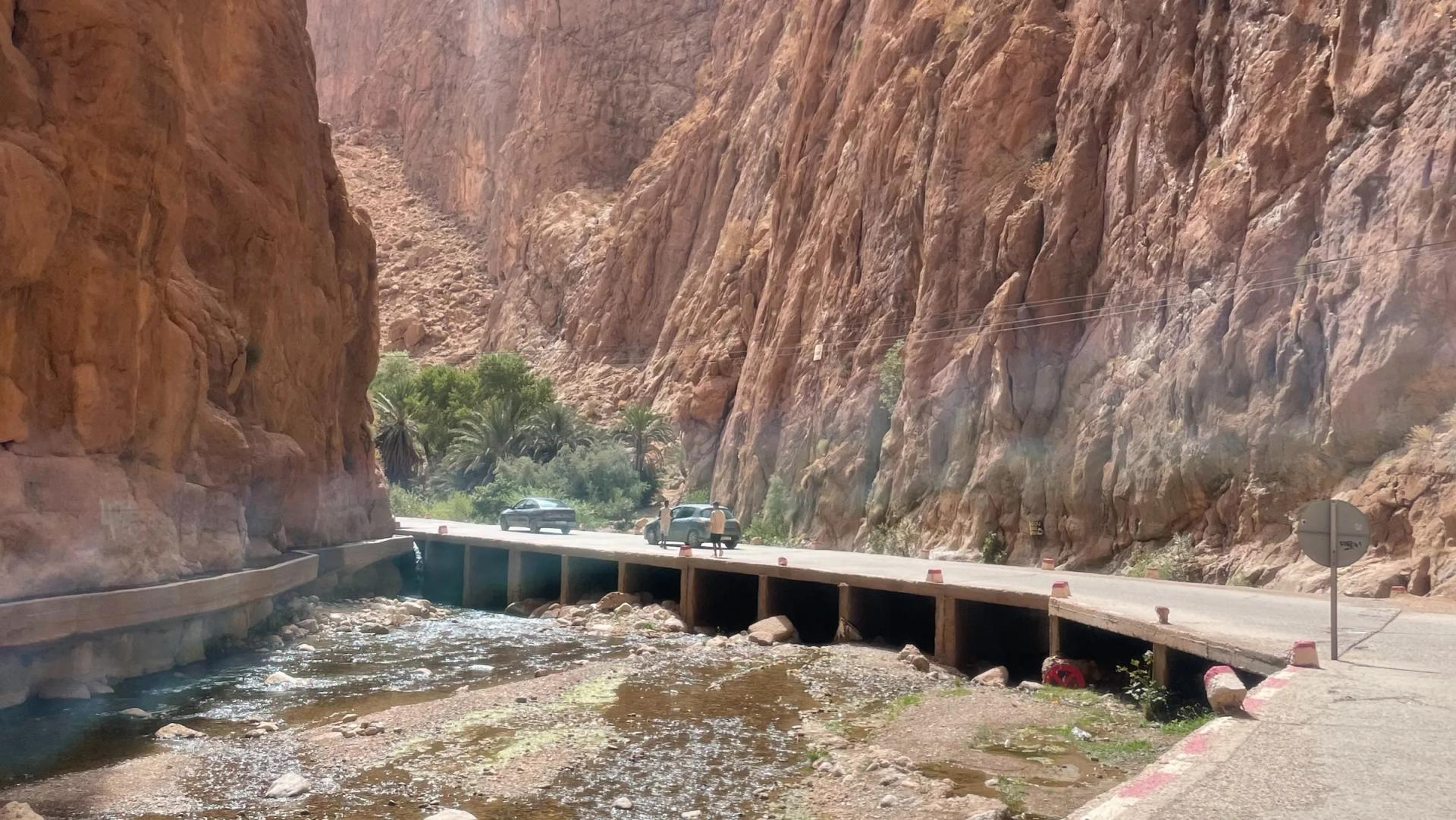
The Atlas Mountains: Cold, snowy winters above 1,800 metres, warm summers with cool nights. The peaks stay snow-capped from December to April.
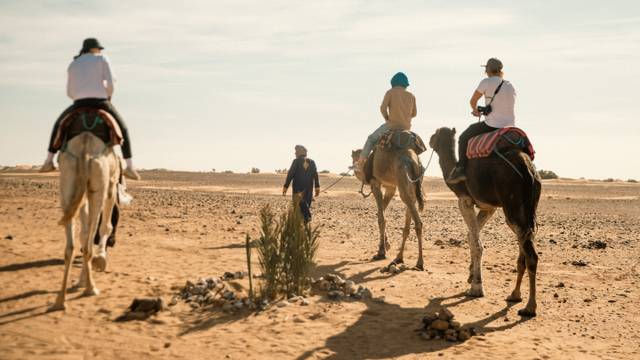
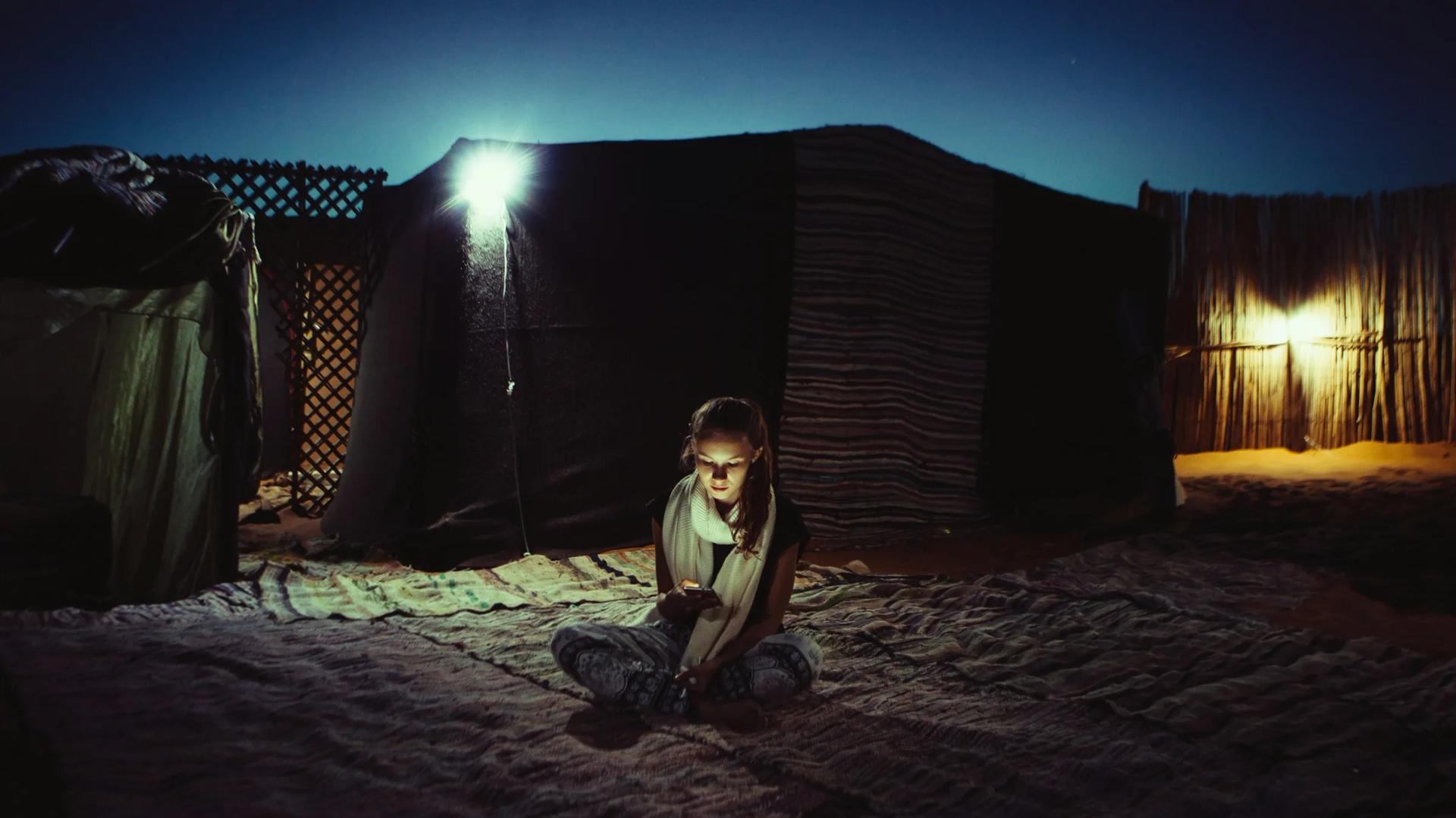
The Sahara (Merzouga, M'Hamid): Brutal in July and August (45+°C by day). Cold nights even in summer. Best in spring and autumn.
The Atlantic coast (Essaouira, Agadir, Casablanca): Mild all year. Often windy. Cooler summers than the cities, and milder winters.
January
Marrakech by day: 19°C. By night: 7°C. Often sunny but cold. The High Atlas is under snow. The desert is cold at night but pleasant by day.
Pros: off-peak prices, few crowds at the main sites, the Atlas is spectacular under snow, perfect light for photographers.
Cons: you need warm layers in the evening, riads without heating are uncomfortable (always check before booking), some desert camps close in early January.
Who it suits: photographers, mountain hikers (lower trails), travellers who hate crowds, couples on a quiet trip.
February
Similar to January, a little warmer by the end of the month. The Atlas snow is at its deepest, and the Mount Toubkal climbing season has not yet started for non-technical climbers. The desert is comfortable around midday.
Pros: still off-peak, the almond trees start blossoming in the Atlas valleys (a wonderful two weeks in mid-February), prices are at their lowest of the year.
Cons: still cold in the medina at night, intermittent rain.
Who it suits: budget travellers, those who want the imperial cities without the queues.
March
A transition month. Temperatures in Marrakech rise to 22 to 25°C. Spring flowers everywhere. The desert is at peak comfort. The lower Atlas trails are open.
Pros: probably the best month overall, comfortable in every region, Ramadan often falls in March (which is an opportunity in itself, see below).
Cons: prices start to climb, Easter is approaching and with it the crowds.
Who it suits: almost everyone.
April
Peak spring. Daytime in Marrakech is 26 to 30°C. The Atlas valleys are green. The desert is warm but not yet brutal.
Pros: the most popular month for good reason, the weather is excellent everywhere.
Cons: prices and crowds. Riads book up early (reserve at least two months ahead). The Atlas valleys are very busy at weekends.
Who it suits: first-time visitors with flexibility.
May
Marrakech climbs to 30 to 33°C. Still pleasant in the Atlas. The desert is hot by day but bearable. The Mount Toubkal climbing season begins.
Pros: the last comfortable month before the southern summer heat, ideal for combined Marrakech, Atlas and desert trips.
Cons: occasional sandstorms in the desert (called chergui), prices still high.
Who it suits: hikers, road-trippers, photographers (the desert light is wonderful).
June
Marrakech regularly reaches 35 to 38°C. The Atlas is glorious, Mount Toubkal fully accessible. The desert becomes uncomfortable after 11am.
Pros: long days, Atlas trekking at its best, Essaouira (the windy coast) cooler and beautiful.
Cons: sightseeing in the medina is hot from noon until 5pm.
Who it suits: hikers, coast lovers, anyone willing to plan around the heat (early mornings, shaded riads, rooftop dinners).
July
Full furnace. Marrakech is regularly above 40°C, sometimes over 45. The desert is dangerous in the midday sun. The Atlas is the only comfortable destination.
Pros: cheaper prices in the cities, locals move to the coast so the medina feels empty, the Atlas is paradise.
Cons: real heat. You should not be walking the medina between 11am and 5pm.
Who it suits: experienced travellers who design the trip around the heat. Beach lovers (Essaouira, Asilah). Atlas hikers.
August
Same as July, often hotter. This is the month locals leave the cities for the coast. Many Marrakech businesses close for two to three weeks (especially restaurants and smaller artisans).
Pros: low prices, a lazy atmosphere.
Cons: the heat, the closures, the desert practically impossible by day.
Who it suits: travellers who stay mostly on the coast.
September
The release. By mid-September, daytime temperatures drop to 32 to 35°C. The nights turn pleasant. The desert cools enough to be comfortable again.
Pros: the second sweet spot after April, fewer crowds than spring, prices slightly lower.
Cons: still warm in the deep desert until late September.
Who it suits: travellers who want spring weather without the spring crowds.
October
The best month, full stop. Marrakech by day 27 to 30°C. Cool nights, no rain, perfect light. The desert is at peak comfort. The Atlas is golden with autumn leaves in the valleys.
Pros: perfect weather in every region, a relaxed mood, food in season (figs, pomegranates, olives, fresh dates).
Cons: prices climb back to spring levels. Riads should be booked early.
Who it suits: every traveller, but especially food lovers and photographers.
November
The shoulder month most people overlook. Daytime 22 to 25°C. Cooler nights. Some early rain. The Atlas peaks return to high snow by the end of the month.
Pros: lower prices, fewer crowds, the medina has its quiet autumn rhythm, the Atlas is moody and beautiful.
Cons: some cold nights, intermittent rainy days.
Who it suits: second-time visitors, photographers, slow travellers.
December
Cold and quiet until the last week. Marrakech by day 18 to 22°C, dropping to 6°C at night. The Atlas is properly cold and snowy. Christmas week and New Year are the peak price spike.
Pros: outside the holiday week, December is one of the cheapest months. The medina is at its most beautiful in the cold winter dusk light.
Cons: the holiday week is double the price of the rest of the month. Some restaurants close around New Year.
Who it suits: cold-weather lovers, those escaping the European winter chill (Marrakech in December is usually warmer than London in October).
Ramadan: Should You Avoid It? No.
Ramadan moves about 11 days earlier each year. In 2026 it falls in February and March. In 2027 it will be earlier in February.
What changes:
- Most small cafés and restaurants close during the day
- Tour guides may have less energy in the late evening
- Iftar (breaking the fast at sunset) becomes the social event of the day
What does not change:
- Riads do not close, and they keep serving meals to their guests as usual