تجربة الطعام الأكثر شيوعًا بين السياح ليست هي التي نتناولها نحن
أنا أحب مشاهدة الزوار الجدد وهم يطلبون وجبتهم الأولى في مراكش. يصلون متأكدين من معرفتهم للمطبخ المغربي. لقد رأوا الصور. يعرفون كلمات الطاجن والكسكس. ثم يجلسون في مطعم مزدحم بالقرب من جامع الفنا، ويطلبون كلا الطبقين في وقت الغداء يوم الثلاثاء، وهذا أمر لائق، حقًا، ولكنه ليس ما نأكله في المنزل. فيما يلي أكثر الأخطاء شيوعًا التي أشاهدها وكيفية معالجتها.
الخطأ 1: تناول الكسكس في أي يوم ما عدا يوم الجمعة
الكسكس هو وجبة الجمعة. إنه الطبق الذي يجمع العائلة معًا بعد صلاة الجمعة. في معظم المنازل المغربية، لا يتم تناول الكسكس في أي يوم آخر من أيام الأسبوع. لذلك عندما تطلب الكسكس يوم الاثنين في مطعم للسياح، ما يصل إليك هو سميد مطهي مبكرًا في اليوم لإطعام الزوار الذين سيكونون محبطين إذا لم يكن على القائمة.
إذا أردت تذوق الكسكس الحقيقي، فجد مطعمًا يقدمه فقط يوم الجمعة، أو انضم إلى غداء عائلي يوم الجمعة من خلال تجربة موجهة. القوام تمامًا مختلف. مطهو على البخار ثلاث مرات باليد، خفيف كالثلج، مع سبعة خضروات ولحم الضأن الطري في الأعلى. إنه واحد من أعظم الأطباق في العالم. الكسكس يوم الثلاثاء ليس كذلك.
الخطأ 2: الخلط بين الطاجن كطبق والطاجن كوعاء
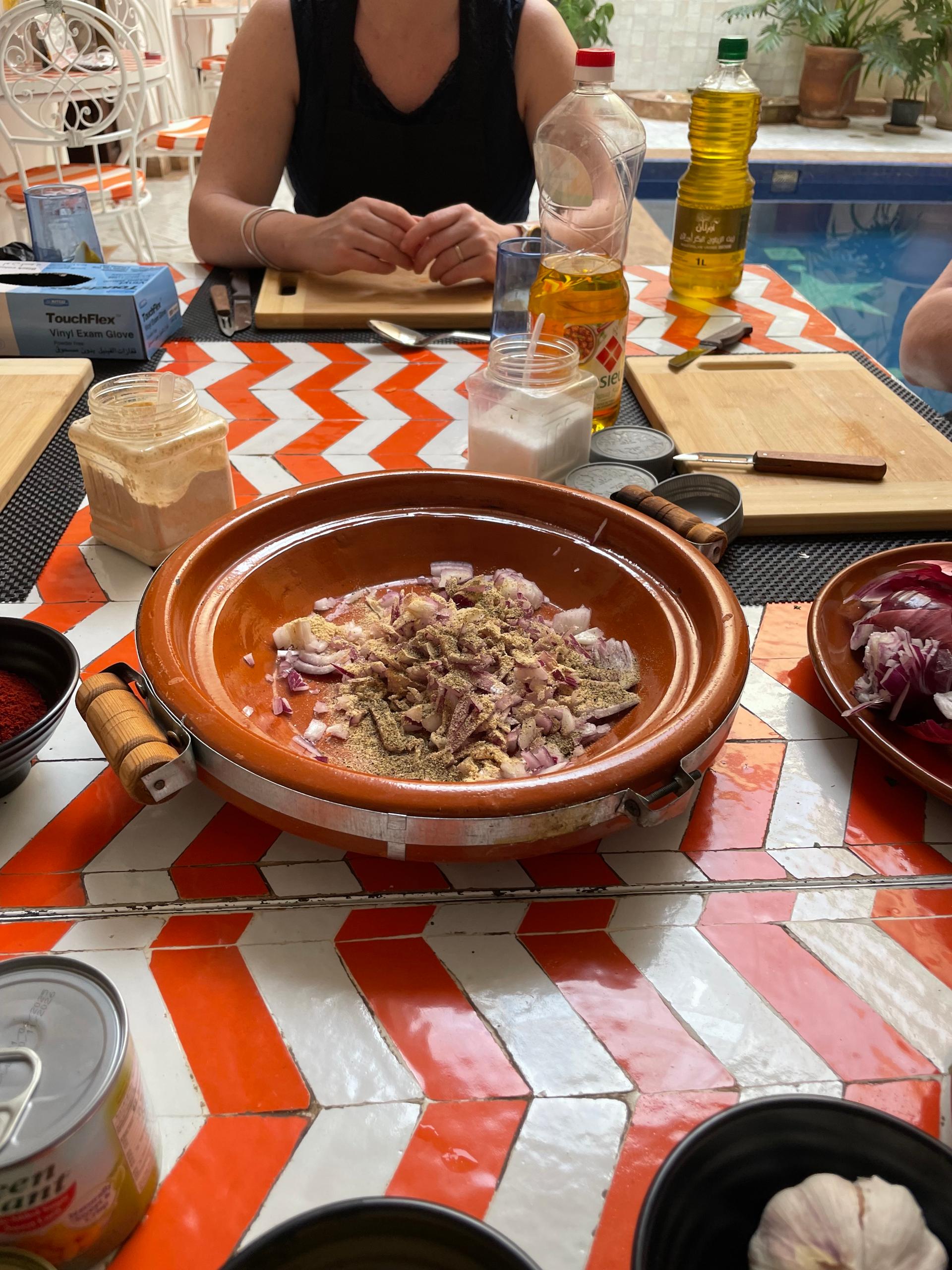
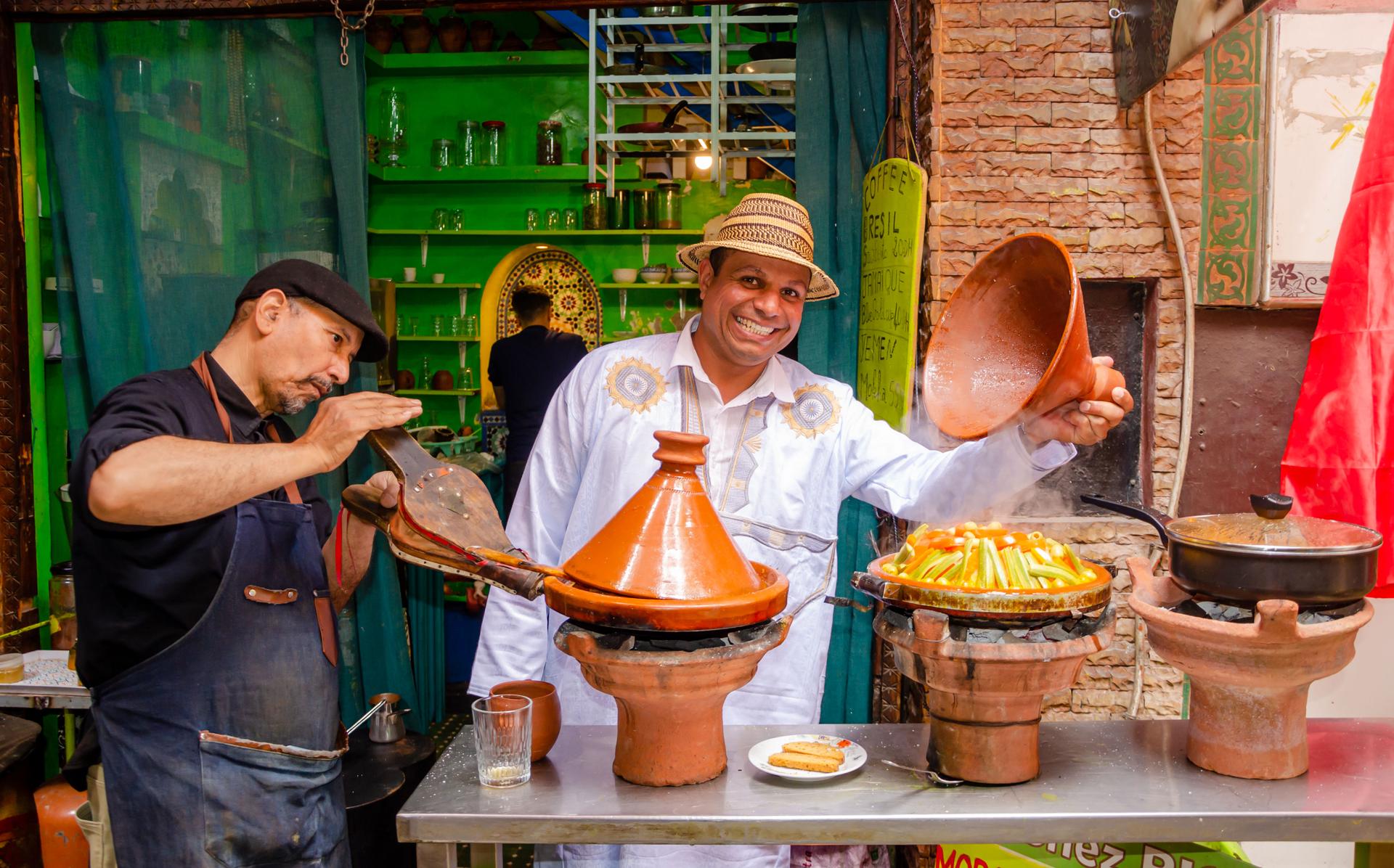
الطاجن هو الوعاء الطيني المخروطي. قد تكون الأطعمة المطبوخة داخله أنواعًا مختلفة من الطهي البطيء. عندما يقول مغربي "أريد طاجن للعشاء"، فهو بمثابة إيطالي يقول "أريد الباستا". إنه ليس طبقًا واحدًا. أنواع شائعة:
كل واحد منها له طعم مختلف تمامًا. تجربة واحد منها ليست "تجربة الطاجن".
الخطأ 3: تخطي أطعمة الإفطار الشعبية المغربية
الإفطار المغربي هو عالم مخفي. معظم الرياض تقدم النسخة المصقولة (مسمن، مربى، بيض، فاكهة، شاي). الكنز الحقيقي موجود في الشارع.
إذا تناولت الإفطار في ريادك فقط، فإنك تفوت ما يستيقظ عليه السكان المحليون.
الخطأ 4: شرب الشاي بالنعناع بشكل خاطئ
هناك ثلاث نقاط يجب معرفتها.
تأثير ارتفاع صب الشاي. ليس هذا عرض للمهارة. إن الصب من ارتفاع عال يؤكسج الشاي وينتج عنه الرغوة المميزة (يُطلق عليها "العمامة"). الصب المنخفض والبطيء يجعل الشاي أقل طعمًا. إذا قام صاحبك بالصب من قوس عال، فلا تحاول "المساعدة" عن طريق إمساك الكوب بالقرب منه.
لا ترفض الكأس الثالثة أبدًا. يقول المثل المغربي: "الكأس الأولى لطيفة كالحياة، والثانية قوية كالحب، والثالثة مرة كالموت". رفض الكأس الثالثة أمر مزعج اجتماعيًا. اشربها، واهربها نصف مليئة في النهاية إذا لزم الأمر.
مستويات السكر. الشاي بالنعناع المغربي الحقيقي حلو. حلو جدًا. طلب شاي غير محلى أمر جيد، ولكن اعلم أن الحلاوة جزء من الكيمياء، وليس مجرد الطعم. عندما يسألك صاحب المنزل المغربي "بالسكر؟"، يتوقع أن ترد بنعم.
الخطأ 5: الطلب المفرط في المطاعم
الحصص المغربية كبيرة والوجبة عادة ما تكون مهيكلة: خبز وسلطات، ثم طبق رئيسي، ثم شاي بالنعناع وحلوى صغيرة. يطلب السياح غالبًا مقبلات وطاجن وكسكس وباستيلا "للمشاركة" لشخصين. تتراكم الأطعمة، ويذهب النصف دون أكل، وتفوتك إيقاعات الوجبة.
استراتيجية أفضل لشخصين: طبق سلطة مشتركة واحد، طبق رئيسي واحد، شاي بالنعناع. إذا كنت لا تزال جائعًا، فيمكنك طلب المزيد. لن تشعر المطاعم بالإساءة. سيكونون مرتاحين لأنهم يكرهون رؤية الطعام الضائع.
الخطأ 6: تجنب أطعمة الشارع تمامًا
مخاوف أطعمة الشارع في المغرب معظمها قديمة. أكبر الأكشاك في ساحة جامع الفنا تقدم آلاف الوجبات في اليوم، والدوران سريع، والطعام يُطهى ساخنًا أمامك.
علامات الكشك النظيف:
ما أتجنبه: السلطات الباردة في أكشاك الشارع، الفواكه المقطعة المعروضة في الشمس، وأي شيء يبدو وكأنه قد جلس فترة طويلة.
الخطأ 7: اعتبار الحريرة مجرد شوربة رمضان
نعم، الحريرة هي شوربة الإفطار الأيقونية في رمضان. ولكنها أيضًا طعام للراحة متوفر على مدار العام في المطاعم العادية. وعاء من الحريرة مع شباكية (معجنات سمسمية لزجة بالعسل) وتمرة هي واحدة من أكثر الوجبات إشباعًا التي يمكنك تناولها في المغرب مقابل أقل من 20 درهمًا.
الخطأ 8: الطلب بـ "حار" دون معرفة ما يعني ذلك
الطعام المغربي له نكهات قوية، وليس حارًا بمعنى الفلفل. نستخدم الكمون والبابريكا والزنجبيل والزعفران والكركم والقرفة ورأس الحانوت. يأتي الحر من توابل الحريرة أو من معجون الفلفل الطازج. عندما تطلب "حارًا"، غالبًا ما يستجيب المطبخ بإضافة الحرارة حيث لم يُصمم الطبق لذلك. النتيجة غير متوازنة.
الأفضل: اطلب الحريرة على جانب. أضفها بحسب ذوقك. يبقى الطبق متوازنًا، ويمكنك زيادة درجة الحرارة في كل لقمة.
الخطأ 9: تفويت المنطقة التي ينتمي إليها الطعام
الطعام المغربي إقليمي. لكل مدينة توقيعها المميز.
تناول التنجية في مراكش صحيح. تناول البِستيلة في مراكش جيد ولكن ستحصل على النسخة الأفضل في فاس. السفر يغير ما يجب أن تطلبه.
الخطأ 10: تناول الطعام فقط في الرياض
تقدم الرياض طعامًا جميلًا ولكنه غالبًا نسخة مُلطفة ومُنمقة من الطبخ المنزلي المغربي. تفوتك المطاعم العامية حيث تعيش النكهات الحقيقية. يجب أن تكون اثنتان على الأقل من وجباتك العشائية خارج الرياض.
الخطأ 11: عدم محاولة الأحشاء
شوربة القواقع (بابوش) تُباع من عربات. رأس الضأن (بولفاف) في السوق في عيد الأضحى. طاجن اللسان. شرائح الكبد على الشواية في ساحة جامع الفنا. هذه أطباق تقليدية عميقة. لست مضطرًا لأن تحبها. يجب أن تجرب واحدًا على الأقل. الع