Le Royaume Qui Se Photographie Lui-Même
Le Maroc est l'un des pays les plus photographiés au monde. Les murs rouges, les ruelles bleues, les dunes dorées, les villages de montagne, et l'architecture chaotique des souks. La plupart des voyageurs rentrent chez eux avec les meilleures photos qu'ils aient jamais prises. Mais il existe des règles écrites et non écrites qui déterminent si vos photos seront de merveilleux souvenirs ou des sources de regret. Voici le guide honnête.
Règle Un : Demander Avant de Photographier les Gens
La règle la plus importante. Les Marocains sont les personnes les plus photographiées en Afrique du Nord. Beaucoup en ont assez d'être photographiés sans permission, surtout dans les médinas où de nouveaux touristes arrivent chaque jour avec leurs appareils photo.
La pratique simple :
- Si une personne est le sujet de la photo (et non simplement une partie d'une scène de rue large), demandez d'abord
- Un simple geste vers l'appareil photo, des sourcils levés, un sourire, fonctionne dans toutes les langues
- "Mumkin sura ?" en dialecte marocain (puis-je prendre une photo ?) est apprécié
- "Photo s'il vous plaît ?" en français fonctionne partout
Si la réponse est non, souriez, baissez l'appareil photo, et passez à autre chose. Ne discutez pas. Ne volez pas une photo rapide de la hanche. Les deux sont de mauvaises pratiques et les deux sont évidentes.
Si la réponse est oui, on peut vous demander un petit pourboire. 10 à 30 dirhams est standard pour une photo posée d'un artisan, vendeur, ou artiste de rue. Si le charmeur de serpents à Djemaa el-Fna dit oui, attendez-vous à payer 30 à 50 dirhams. Si un commerçant dit oui pendant que vous parcourez, aucun pourboire n'est nécessaire, mais il est poli d'acheter quelque chose de petit.
Où Donner un Pourboire et Où Ne Pas En Donner
Toujours donner un pourboire :
- Charmeurs de serpents, dresseurs de singes, dames au henné sur la place Djemaa el-Fna (30 à 50 dirhams)
- Artistes folkloriques (musiciens, conteurs, danseurs) : 20 à 30 dirhams
- Femmes berbères en tenue colorée aux points de vue (généralement 20 dirhams par photo, convenu à l'avance)
- Photos posées d'artisans dans leurs ateliers (10 à 30 dirhams, ou acheter quelque chose de petit)
Ne pas donner de pourboire :
- Personnes capturées dans une scène de rue large où elles ne sont pas le centre d'intérêt
- Personnes qui demandent "un dirham pour la photo" que vous n'avez pas photographiées
- Amis ou hôtes lors d'un repas ou d'une occasion sociale
- Enfants. Ne jamais donner d'argent aux enfants pour des photos. Cela enseigne un comportement nuisible. Si vous voulez leur donner quelque chose, donnez des crayons, un petit jouet, ou rien.
Photographie Interdite et Restreinte
Le Maroc est généralement détendu en matière de photographie, mais quelques catégories sont interdites par la loi ou la coutume.
Interdit :
- Palais royaux, résidences royales, et véhicules royaux. Cela inclut les portes et murs de tout palais royal en usage. Le palais du Sultan à Fès (les portes sont célèbres, vous pouvez vous tenir sur la place mais les gardes peuvent contester les photos évidentes du palais).
- Postes de police, installations militaires, et points de frontière.
- Tout bâtiment gouvernemental avec un garde à l'entrée.
- L'intérieur des mosquées (vous ne pouvez pas entrer en tant que non-musulman, sauf la Mosquée Hassan II à Casablanca, qui propose une visite guidée).
Restreint par la coutume :
- À l'intérieur des maisons privées sans permission explicite
- À l'intérieur des hammams (aucun appareil photo autorisé, jamais)
- Stands de souk sans la permission du commerçant (la plupart sont d'accord si vous demandez, certains ne le sont pas)
- Écoles religieuses (medersas) restreignent parfois la photographie intérieure
- Sanctuaires de saints (zaouias) sont ouverts aux non-musulmans dans certains cas, et la photographie varie
En cas de doute, demandez. Une question polie obtient toujours une meilleure réponse qu'une supposition rapide.
Règles des Drones en 2026
C'est la question la plus fréquemment posée. La réponse honnête est compliquée.
Les drones sont largement interdits au Maroc. Officiellement, l'importation d'un drone nécessite un permis du Ministère de la Communication, obtenu à l'avance. Faire voler un drone dans des lieux publics sans licence est illégal. Les douaniers dans les aéroports confisquent les drones des voyageurs depuis plusieurs années.
En pratique :
- De nombreux touristes apportent des drones dans leurs bagages enregistrés et ne sont pas arrêtés
- Un nombre croissant est arrêté et le drone est confisqué, puis rendu à leur départ du pays
- Faire voler un drone à Marrakech (au-dessus de la médina, près de la place Djemaa el-Fna, près de l'aéroport) est risqué et susceptible d'attirer l'attention de la police
- Faire voler un drone dans des zones reculées (dunes désertiques, sommets de l'Atlas) est plus détendu mais toujours officiellement illégal sans permis
Si votre itinéraire est basé sur des prises de vue par drone, demandez le permis à l'avance via l'ambassade marocaine de votre pays. Si vous prévoyez simplement quelques prises de vue par drone, acceptez que vous pourriez perdre le drone à la douane et que vous ne devriez pas le faire voler dans les villes.
Pour la plupart des voyageurs, laissez le drone à la maison. Utilisez un téléphone avec un objectif large. Utilisez un vrai appareil photo avec un bon objectif. Les appareils photo et téléphones modernes produisent des photos et vidéos exceptionnelles sans prises de vue aériennes.
Les Meilleurs Moments de la Journée pour Chaque Lieu
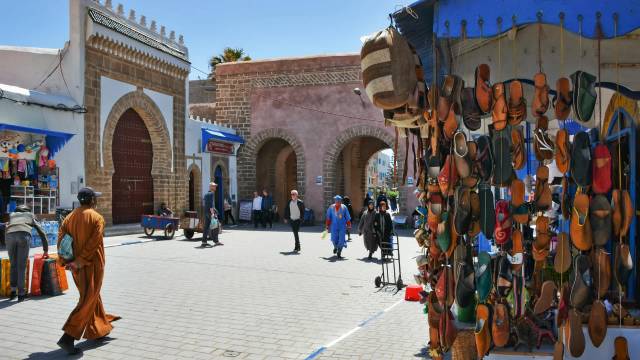
La médina de Marrakech. L'après-midi et l'heure dorée (une heure avant le coucher du soleil). Les murs rouges brillent. La lumière se reflète dans les ruelles. Les foules sont plus clairsemées car les magasins ferment brièvement avant l'iftar. Après la tombée de la nuit, la place Djemaa el-Fna s'anime avec des stands de nourriture et de la vapeur montante la nuit.
Palais Bahia, les Tombeaux Saadiens, Medersa Ben Youssef. En milieu de matinée (10h à 11h30) lorsque la lumière remplit les cours. Évitez le milieu de journée (lumière d'en haut) et l'après-midi lorsque ces cours perdent la lumière directe.
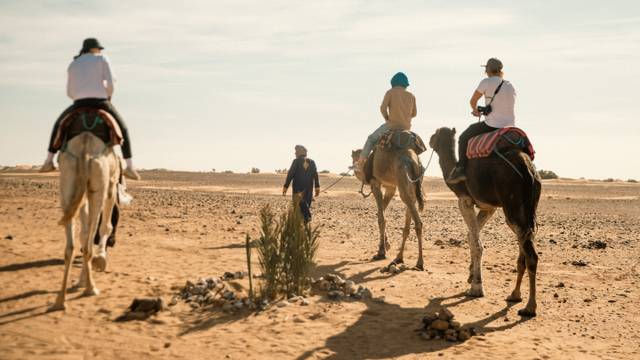
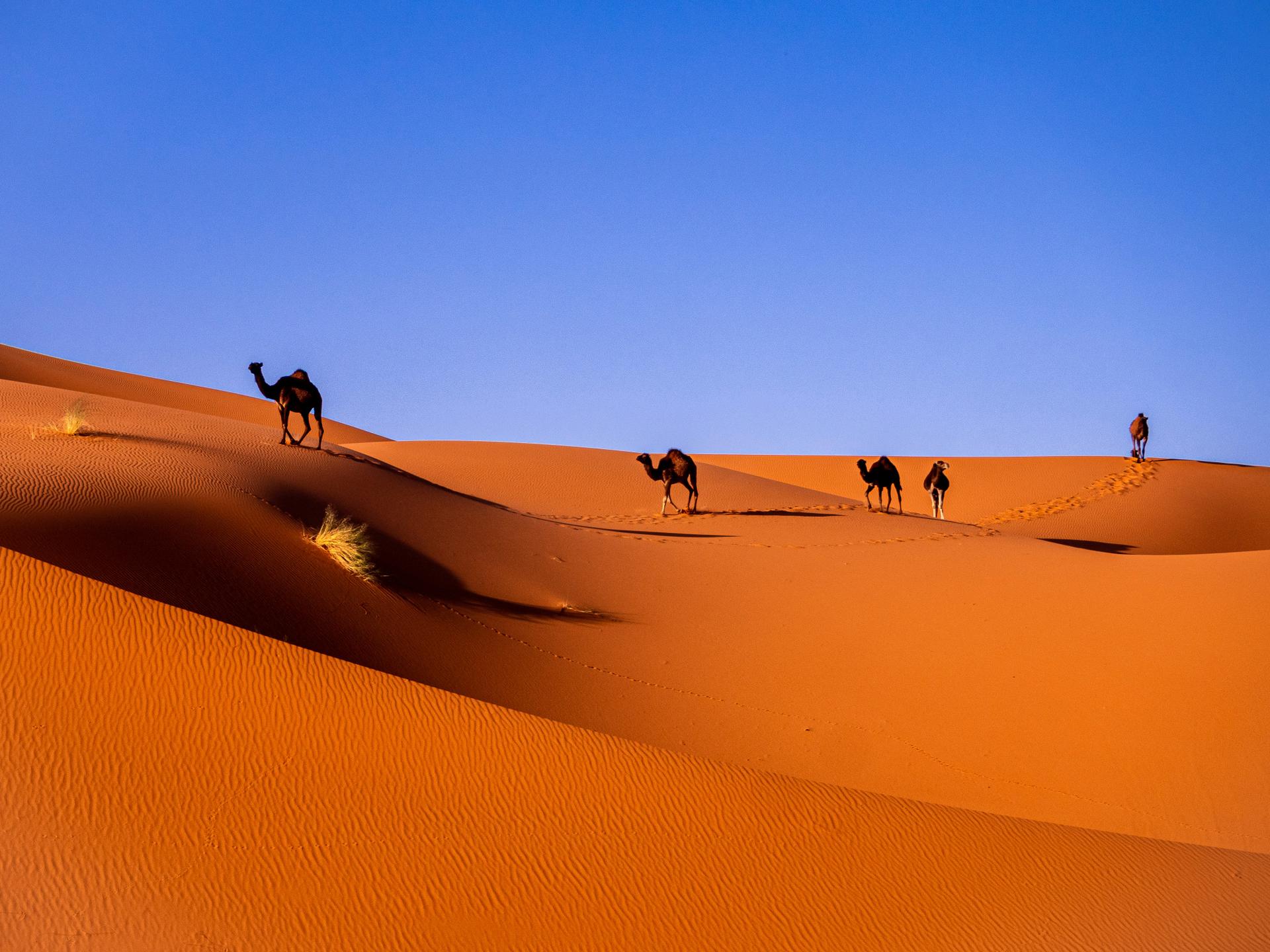
Les dunes du désert. Lever et coucher du soleil, uniquement. Les dunes brillent d'orange à rouge. Le milieu de journée est dur et plat. Apportez un objectif large et un objectif long (un objectif long compresse magnifiquement les dunes). Ayez votre appareil photo prêt 30 minutes avant le lever du soleil. Éloignez-vous du camp pour éviter les traces du camp dans votre photo.
Les montagnes de l'Atlas. Le matin est le meilleur en été (ciel dégagé, moins de brume). L'après-midi est dramatique en hiver (neige et nuages). L'après-midi pour les villages.
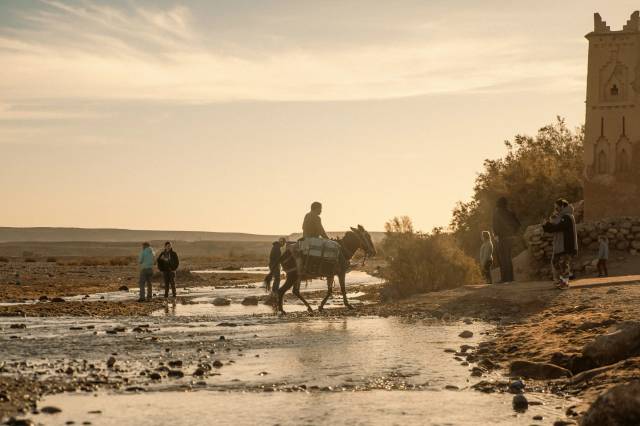
Aït Benhaddou. L'après-midi, sans aucun doute. La kasbah brille d'orange contre un ciel bleu. La lumière au coucher du soleil depuis le bord de la rivière est la photo célèbre. Le lever du soleil depuis le sommet de la kasbah est également exceptionnel, avec peu de touristes.
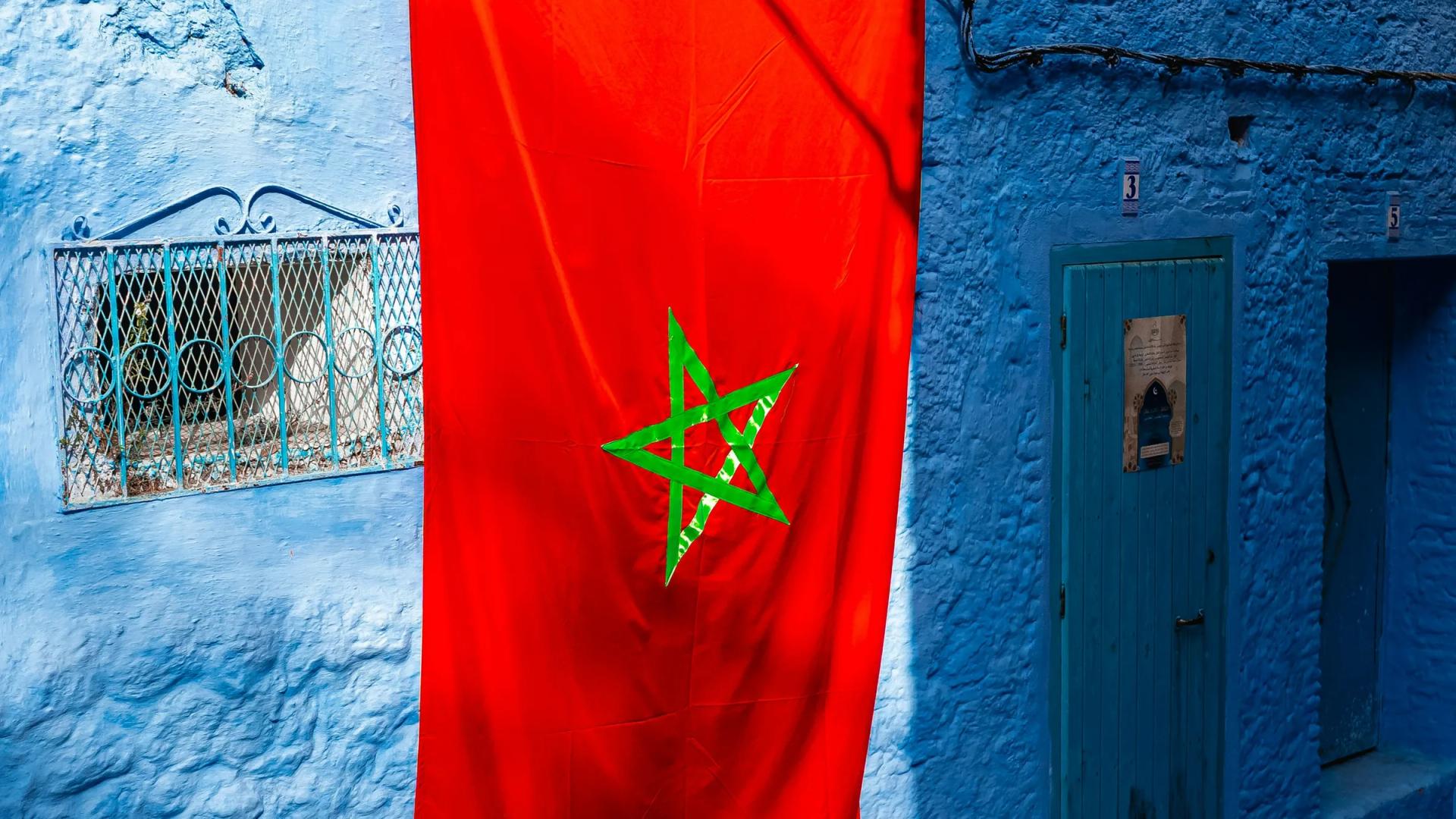
Chefchaouen. Le matin (7h à 9h) avant l'arrivée des groupes de touristes. Les ruelles bleues sont les meilleures dans la douce lumière du matin. Après 11h, les rues sont bondées.
La médina de Fès. Les tanneries sont mieux photographiées en milieu de matinée (10h à 12h) lorsque les travailleurs du cuir sont actifs et les couleurs à leur meilleur.
Essaouira. L'après-midi au port (bateaux, mouettes, travailleurs). Le matin sur les remparts de la médina (lumière sur l'Atlantique).
Recommandations d'Objectifs et d'Équipement
Pour la plupart des voyageurs, un seul ensemble d'objectifs suffit.
Seulement téléphone. Un iPhone moderne (12 ou ultérieur) ou Pixel produit d'excellentes photos dans 90% des situations. Les objectifs large et ultra-large couvrent la plupart des besoins. Le mode nuit gère la médina au crépuscule. La seule chose qu'un téléphone ne peut pas bien faire est le bon téléobjectif et les sujets en mouvement en basse lumière.
Appareil photo avec objectif. Un appareil photo sans miroir avec un zoom polyvalent 24-70mm couvre presque tout, des scènes de rue larges aux portraits, et un petit objectif fixe gère les intérieurs en basse lumière et le désert à l'aube.