Why Is It Blue?
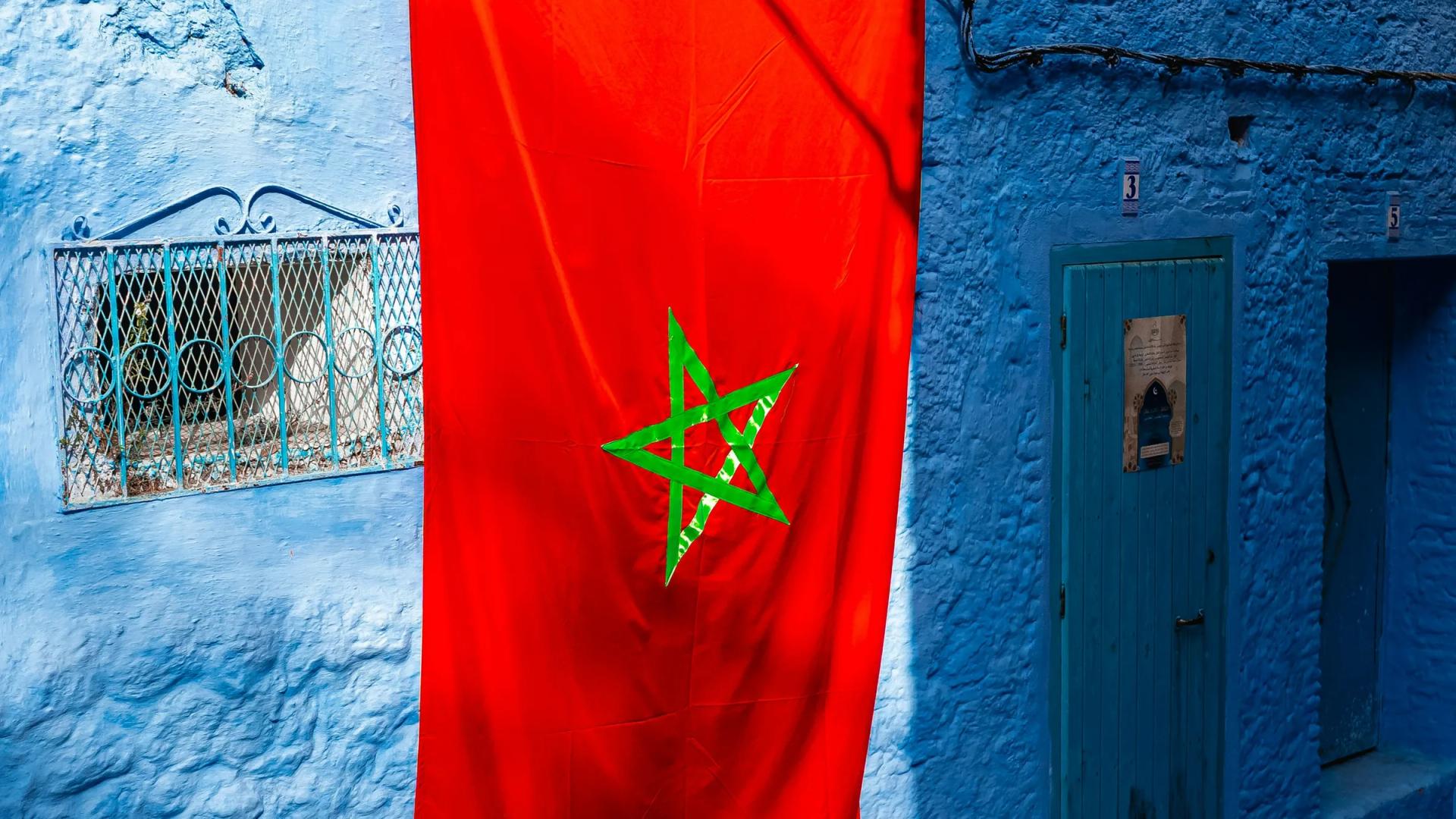
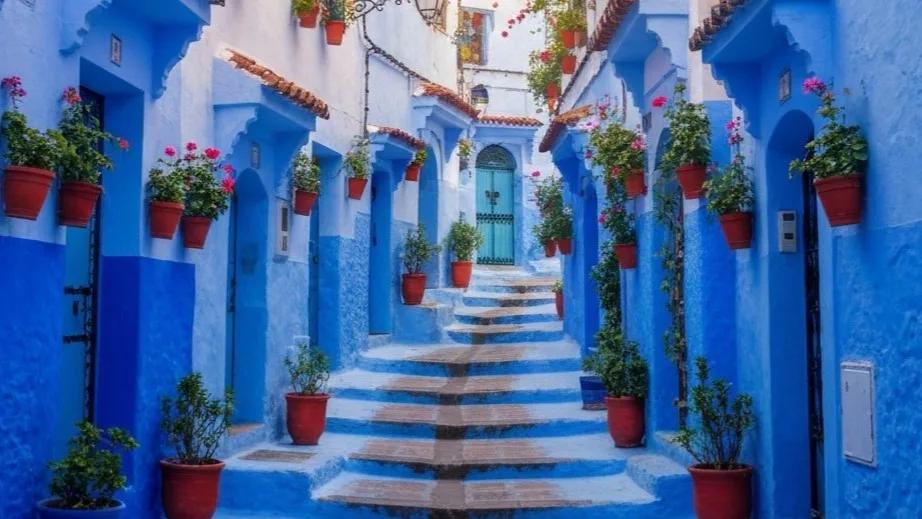
The most-asked question in Chefchaouen. The blue-painted walls of the medina have a surprisingly contested history. Some say Jewish refugees fleeing Spain in the 15th century brought the tradition of painting homes blue representing the sky and heaven, a reminder of God. Others point to a practical reason: blue is believed to repel mosquitoes. The most prosaic theory is that a wave of Jewish immigration in the 1930s popularised the colour, and subsequent residents simply kept painting.
Whatever the origin, the effect is extraordinary. Walking through Chefchaouen on a spring morning, with blue walls gleaming in the light and cat sitting in shafts of warm sun, is one of the most visually beautiful experiences in Morocco.
Beyond the Instagram Shots
Chefchaouen has become one of Morocco's most-photographed cities. In peak summer, the main squares and alleyways are genuinely crowded. But the town is small enough, and the Rif Mountains surrounding it large enough, that escape is always close.
The real Chefchaouen is in the quieter northern medina, where fewer tourists venture. In the early morning, before the tour buses arrive, the market street near Bab Ain fills with local women in traditional Rif dress striped white-and-red fouta fabric, wide straw hats selling goat cheese, fresh herbs, and honey.
What to See and Do
The Medina
The old town is compact you can walk it in 30 minutes if you're moving fast, or spend all day if you're not. The central plaza, Place Uta el-Hammam, is ringed by café terraces beneath a crumbling kasbah. This is where to base yourself: order b'ssara for breakfast, read, watch the town wake up.
Kasbah Museum
The 15th-century fortress contains a small ethnographic museum and a Spanish-era prison. The rooftop has the best view of the medina arrive in the late afternoon when the light makes the blue walls glow.
Ras el-Maa
A 10-minute walk from the medina, this natural spring is where locals do their laundry (the flat rocks are their washing boards) and children swim in the ice-cold water. Above the spring, a mule path climbs into juniper forest follow it for 20 minutes to reach a small Andalusian mosque perched over the valley. The views back over the blue town are exceptional.
The Spanish Mosque
A 45-minute walk up the hill above the medina (there's a clear path from Ras el-Maa) brings you to this ruined colonial-era mosque. The best sunrise or sunset spot in town. Bring a blanket it's cold in the evening.
Akchour and the Waterfalls
15 km from Chefchaouen, the Akchour gorge has two waterfalls accessible by a well-marked trail. The first (1 hour walk) is a 20-metre cascade into a turquoise pool where you can swim. The second (3 hours total) is a dramatic 100-metre falls. Grand taxis run from Chefchaouen to the trailhead for 15–20 MAD.
Where to Eat
B'ssara every morning. The soup vendors near Bab Ain open at 7am and serve the best broad bean soup in the Rif. Eat with fresh khobz and olive oil. Total cost: 15 MAD.
Chez Aziz: Roof terrace on Place Uta el-Hammam. Excellent kefta tagine, good salads, mint tea. Affordable.
Tissemlal: More upscale, family-run, serves the best pastilla in Chefchaouen. Book ahead for dinner.
Fresh goat cheese from the market. Spread on bread with mountain honey. The morning market on Rue Hassan I runs until noon and has cheese, honey, and dried fruit from the surrounding villages.
When to Visit
March–May: The town is cool, the surrounding hills are green, almond trees bloom. Best conditions.
October: After the summer crowds thin, the light is beautiful and the air crisp.
July–August: Crowded and hot. Accommodation books out weeks ahead.
December–February: Cold and sometimes rainy, but the town is almost entirely yours.
Getting There
From Fes: 3.5 hours by CTM bus or grand taxi via Ouazzane.
From Tangier: 3 hours by CTM bus.
From Marrakech: 6+ hours either overnight bus or via Fes.
Chefchaouen has no train station. The nearest rail is Meknès.
Practical Notes
- Two nights minimum. One night is not enough. Three is ideal.
- Accommodation: Book ahead in spring and summer. Riads in the medina are excellent many have rooftop terraces with mountain views.
- Hiking shoes: Useful for the walks above the town.
- Cash: The medina operates almost entirely on cash. There's one ATM near the central square.
- Altitude: Chefchaouen sits at 600m. Spring evenings are cool; winter nights are cold. Pack a layer.
FAQ
Why is Chefchaouen blue
There are several theories: Jewish refugees in the 1930s introduced the colour, the blue keeps mosquitoes away, it represents the sky and spirituality, or it simply became a tradition. Locals tend to choose whichever answer fits their mood.
How do I get to Chefchaouen
Most travellers come from Fes (about 4 hours by CTM bus or shared taxi) or Tangier (about 2.5 hours). There is no train station. The bus is comfortable and affordable. Driving in is fine but parking inside the medina is impossible, leave the car at the gate.
How long should I spend in Chefchaouen
2 nights is the sweet spot. One full day to wander the medina early before the day trippers, hike up to the Spanish mosque viewpoint at sunset, and have a slow dinner. Add a half day for a hike in the Talassemtane park.
Is Chefchaouen worth visiting if I have already seen Marrakech and Fes
Yes. It is the opposite of those big cities: small, cool (especially in summer), walkable, low hassle, and quieter. Many travellers say it is the most relaxing stop on their Morocco trip.
Is Chefchaouen safe and easy for solo travellers
Very. The medina is small, the hassle is minimal compared with Marrakech, and the town is laid out so you cannot really get lost. Solo female travellers report it as one of the most comfortable places in Morocco.