Winter is one of the most underrated times to visit Morocco. While Europe is grey, Marrakech has blue skies most days, the Sahara is pleasant to explore in daylight, and the High Atlas is capped with snow. The trick is knowing that Morocco in winter is two countries at once: warm in the sun, cold as soon as it sets.
This guide covers December, January and February region by region, the trips that work best, and exactly what to pack. If you are travelling in the first month of winter, see also our dedicated guide to Morocco in December.
Morocco winter weather at a glance
• Marrakech & Inland Plains: Sunny afternoons around 18–21°C (64–70°F) and crisp nights dropping to 4–7°C (39–45°F), with relatively light rain.
• South Coast (e.g., Agadir): The warmest and driest winter hub, with daytime highs near 20–22°C (68–72°F) and mild nights around 8–13°C (47–56°F).
• North & Atlantic Coast (e.g., Tangier, Rabat, Casablanca, Fes): Cooler and noticeably wetter, with daytime highs around 16–18°C (61–64°F) and frequent winter rain showers. Fes sees colder inland nights around 3–4°C (37–39°F).
• Desert & Desert Gateways (e.g., Ouarzazate, Errachidia, Merzouga): Dry, bright days around 16–18°C (61–64°F), but large temperature swings after sunset with lows near 0–6°C (32–43°F) and occasional frost.
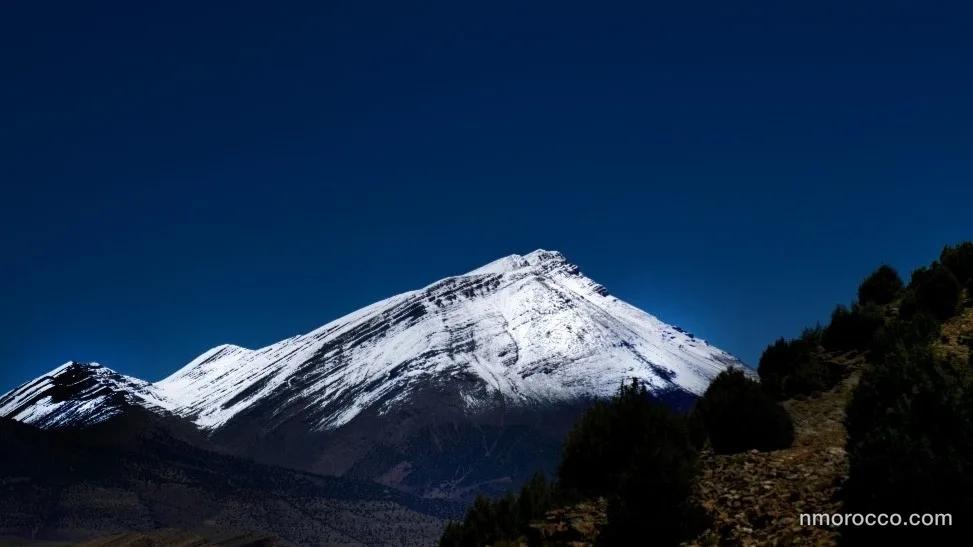
• Atlas Mountains & High Towns (e.g., Ifrane): Coldest overall, with regular snow on higher peaks and mountain passes from December into spring.
These are typical averages. Some winter days are warmer, and a cold snap can bring frost to Marrakech and heavy snow to the mountain passes.
Region by region
Marrakech in winter
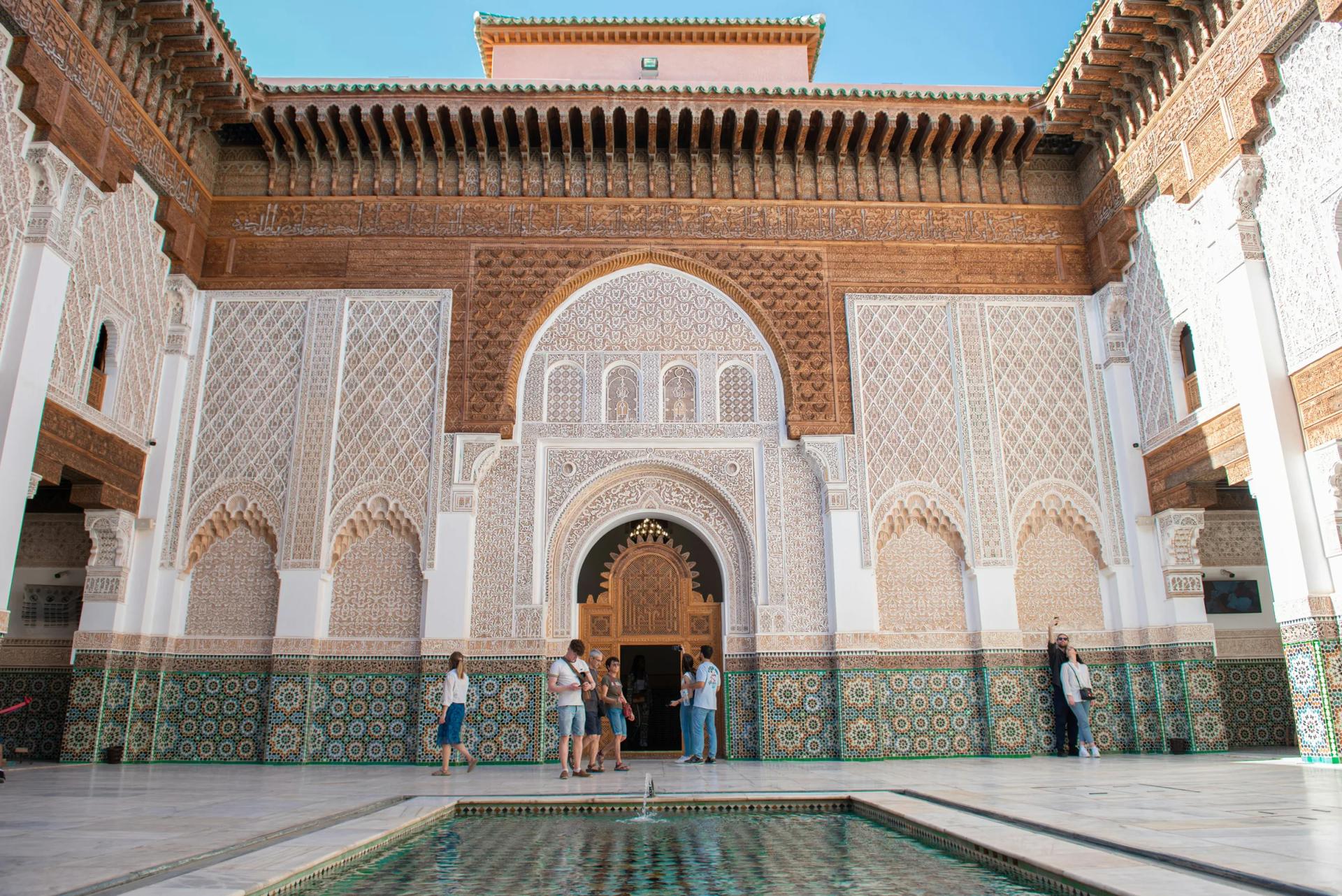
Marrakech is at its most comfortable for walking: the medina, the souks and the gardens are a pleasure in 20°C sunshine, without the summer heat. Evenings are cool, so choose a riad with heating and enjoy dinner indoors or by a fire. Christmas and New Year are very busy, with higher prices and full riads, so book early if you travel then.
The Sahara in winter
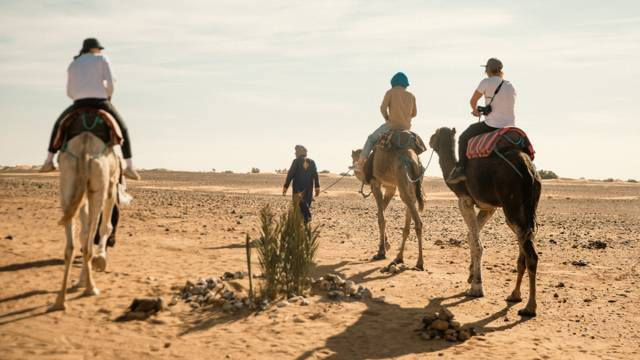
The desert is a highlight in winter. Days are sunny and mild, perfect for a camel ride and walks in the dunes, and the night sky is spectacular. But nights are cold, often around freezing in Merzouga and Zagora. Good camps provide thick blankets, and the best ones have heated or insulated tents and hot showers. This is where the level of the camp really matters, so check what your tour includes.
The classic winter desert trip is the 3-day private Sahara tour from Marrakech to Merzouga, which stays in a luxury desert camp and a comfortable hotel in the Dades Valley. If you are starting in the north, the 4-day tour from Fes to Marrakech via Merzouga crosses the Middle Atlas and the desert on the way south.
The Atlas Mountains in winter
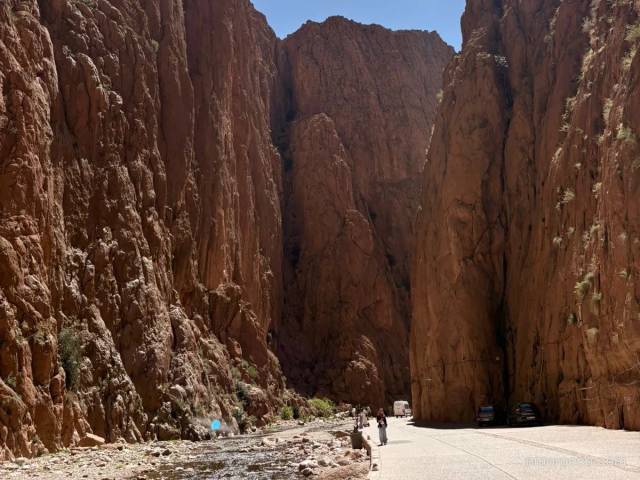
Snow on the High Atlas makes for dramatic views, and the drive over the Tizi n'Tichka pass between Marrakech and Ouarzazate is beautiful in winter light. After heavy snowfall the pass can close for a few hours or a day while it is cleared, so a good driver will watch the forecast and adjust the plan. Village stays in the Atlas are cold at night; bring warm layers and choose guesthouses with heating.
Fes, Meknes and the north
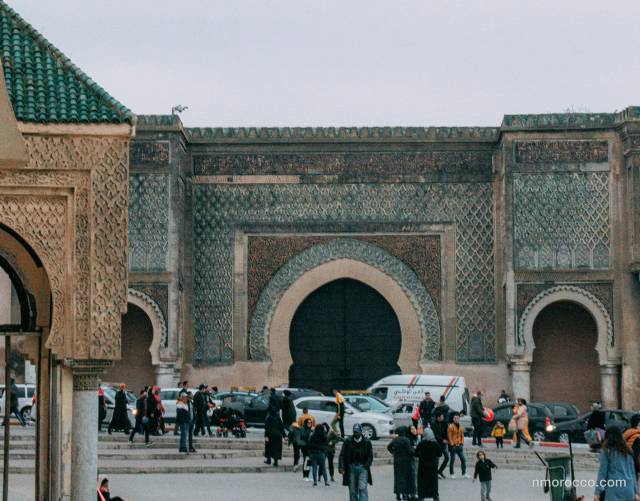
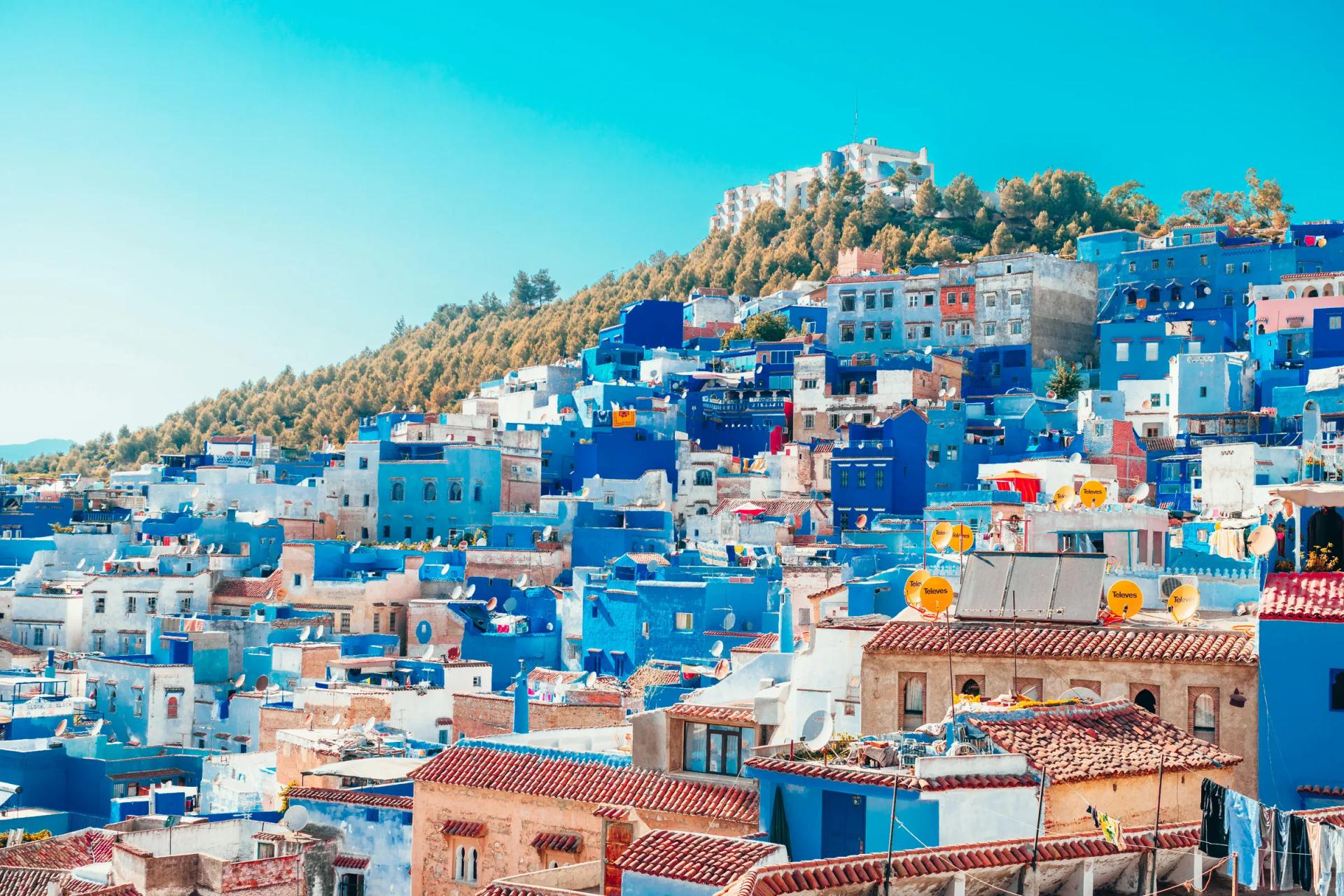
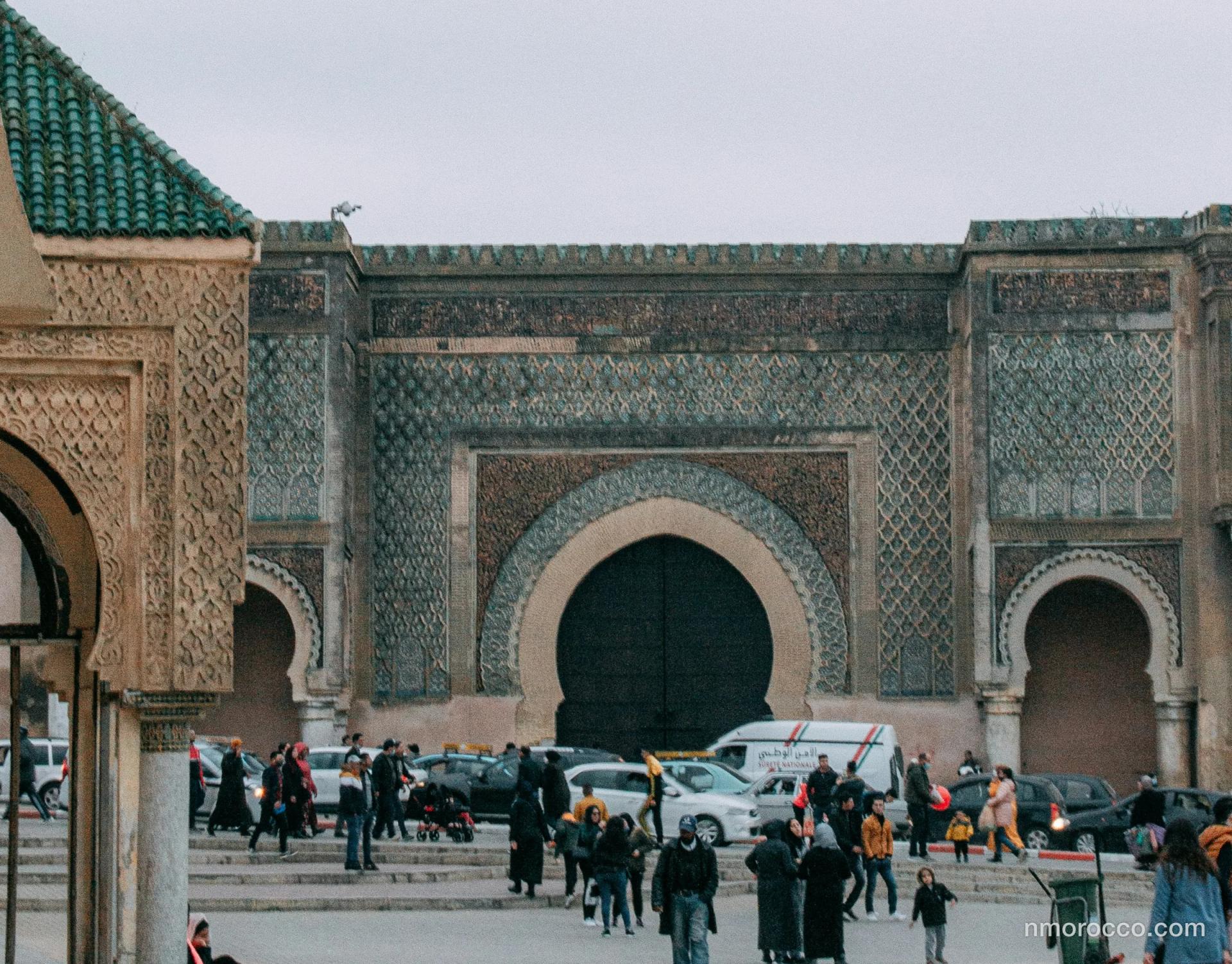
Fes is cooler and wetter than Marrakech in winter, but rarely unpleasant, and the medina is quieter than in spring. Rain is more likely in Chefchaouen and the Rif mountains, so keep a flexible day if you plan to go there. Our Fes travel guide covers the best things to do in the city.
The coast: Essaouira and Agadir
Essaouira is mild and often windy, great for long walks and seafood but rarely beach weather. Agadir and the south coast are the warmest part of Morocco in winter and the best choice if you want sunshine and the sea.
Ramadan in winter 2027
In 2027 the holy month of Ramadan is expected to begin around 8 February and last about 30 days (the exact dates depend on the moon sighting). Travelling during Ramadan is perfectly possible: sights stay open, and tourist restaurants serve food during the day. Some cafés close until sunset, rhythms change, and evenings come alive after iftar. It is a special time to experience Moroccan hospitality.
What to pack for Morocco in winter
- Warm layers: a fleece or thick sweater and a warm jacket for the evenings and the desert.
- A hat, scarf and gloves for the Sahara night and the Atlas.
- Thermal top and leggings if you sleep in the desert or the mountains.
- Comfortable closed shoes for the medinas and the dunes.
- Sunglasses and sunscreen: the winter sun is strong.
- A light rain jacket for Fes and the north.
- Modest clothing that covers shoulders and knees, easy to layer.
Best winter itineraries
- Short break (3 to 4 days):Marrakech plus a 3-day private Sahara trip.
- One week:the 7-day grand tour from Casablanca through Chefchaouen, Fes, the Sahara and Marrakech, with a flexible day for northern rain.
- Sun and desert: the Sahara first, then a few warm days on the coast around Agadir.
Want a winter trip shaped around your dates? Tell us your plans and a local expert will design a private itinerary for you, free and with no obligation.
FAQ
Is Morocco warm in January?
During the day, yes in most of the country: around 18 to 20°C in Marrakech and up to 22°C in Agadir. Nights are cold, especially in the desert and the mountains, so pack warm layers.
Does it snow in Morocco?
Yes. The High and Middle Atlas get regular snow in winter, and the Oukaïmeden ski area near Marrakech opens when there is enough. Snow in Marrakech itself is extremely rare.
Is the Sahara too cold in winter?
The days are pleasant and sunny, but nights can drop to around freezing. With a good camp, warm bedding and the right clothes, a winter night in the dunes is one of the best experiences of a Morocco trip.
Is Morocco busy in winter?
Mostly no, except for Christmas, New Year and some school holidays, when Marrakech and the desert camps are very busy. The rest of the winter is calm and good value.