Why It Matters
Tourism is Morocco's second-largest source of foreign income. In cities like Fes and Marrakech, a substantial proportion of the population depends on tourism directly as guides, riad owners, and artisans, and indirectly as suppliers of food, transport, and services.
How you spend your money determines who benefits. An international hotel chain takes a large share of revenue out of the country. A family-owned riad, a licensed local guide, a meal at a neighbourhood restaurant these keep money in the hands of Moroccan families.
This guide is written by Nmorocco.com It's not about lecturing. It's about giving you the tools to have a better, more genuine trip and leave Morocco better than you found it.
1. Stay in Moroccan-Owned Accommodation
The riad system small family-run guesthouses in converted historic homes is one of Morocco's great travel gifts. When you stay in a riad, your money goes to:
- The family that owns and operates it
- The staff (often from the same neighbourhood or village)
- The local suppliers who provide food and other things.
How to identify locally owned riads: Look for Moroccan family names in ownership, check reviews for mentions of the family, and book directly rather than through large international booking platforms which take a significant commission.
2. Hire Licensed Local Guides
Unlicensed touts who offer to "show you around" are a fact of life in Moroccan medinas. Some are genuinely helpful; many are running commissions with shops and will steer your experience around their commercial interests rather than yours.
Licensed guides have passed a government examination, know the history and culture of their city, and are accountable. In Marrakech, Fes, and other major cities, the tourist office or your riad can recommend licensed guides.
3. Buy Directly from Artisans
Morocco's artisan traditions zellige tilework, thuya wood carving, leather, silver jewellery, carpet weaving are the product of years of apprenticeship and generations of accumulated knowledge. They are also under threat from mass-produced imitations.
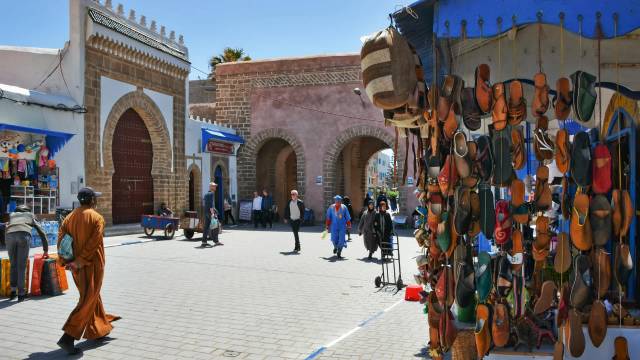
Buy from the cooperatives and workshops where you can see the work being made. The carpet cooperatives in the medinas of Fes and Marrakech are often genuine you'll see weavers at their looms and understand the months of work that go into a single piece. The price reflects that reality.
Avoid: Cheap souvenirs with "Made in China" stickers under the glaze. They fund factories in another country, not Moroccan artisans.
Moroccans are genuinely delighted when visitors make the effort. A greeting in Darija opens doors that staying in English keeps closed.
5. Photograph with Permission
Photography is powerful and personal. In Morocco's medinas, many people particularly older women and market vendors do not want to be photographed. This is not unfriendliness; it's a reasonable request for privacy.
Always ask first. If someone says no, respect it immediately. If someone says yes and spends time posing for you, a small tip (10-20 MAD) is appropriate and appreciated.
The best travel photographs come from genuine connection, not from pointing a lens at strangers.
6. Eat at Local Restaurants
The tourist restaurant circuit the places with laminated English menus and touts outside serves competent food at inflated prices, with most revenue going to the owners (often expatriates or large hospitality groups).
The neighbourhood restaurants where locals eat often just a few tables, a handwritten menu in Darija, and no English spoken serve better food at a fraction of the price, and every dirham goes into a Moroccan family's pocket.
Ask your riad for the nearest local restaurants. Every good riad owner knows three places they send their friends.
7. Respect Religious and Cultural Customs
- Dress modestly in the medinas and near religious sites. This means covered shoulders and knees. It's not a significant inconvenience and it shows respect for the community you're visiting.
- Ramadan: If you visit during Ramadan, eat, drink, and smoke in designated areas or indoors during daylight hours. The evening iftar (breaking of the fast) is one of the most beautiful and communal moments of Moroccan life — accept an invitation if one is extended.
- Mosques: Non-Muslims are not permitted to enter mosques in Morocco (with a few exceptions, like the Hassan II Mosque in Casablanca). Stand at the doorway and admire from outside; don't push your head in for a photo.
8. Support Animal Welfare
The mule transport network in Morocco’s medinas is real Amazon Prime still hasn’t figured out how to deliver a fridge through a 700-year-old alleyway.
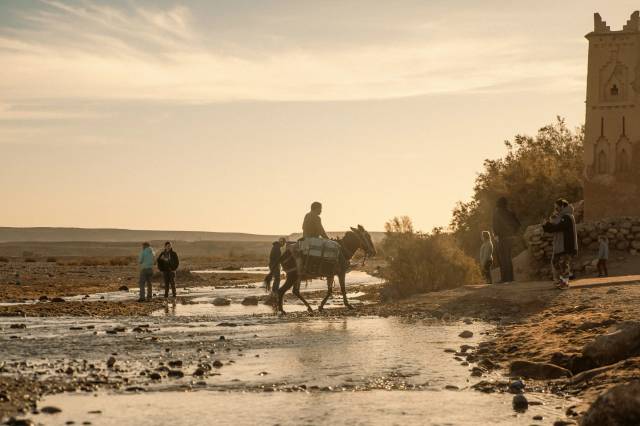
These animals do important work every day, but the reality is complicated. Many owners are struggling financially themselves and are simply trying to feed their families. It’s not always a story of cruelty often it’s a story of poverty.
If you’d like to help, a small tip is always appreciated and can genuinely make a difference for both the owner and the animal. Until someone invents tiny electric trucks for medieval streets, this remains one of the only ways heavy goods move through the old medinas.
FAQ
How do I travel responsibly in Morocco
Book locally owned riads and tours, tip fairly (10 to 20 percent for guides and drivers), buy directly from artisans rather than middlemen, respect dress norms outside tourist zones, and ask before photographing people. Small choices add up to real local income.
Should I tip in Morocco
Yes. 10 to 20 dirhams for taxi drivers, 50 to 100 dirhams per day for tour drivers, 100 to 200 dirhams per day for guides, 10 percent at restaurants. Hammam attendants and porters appreciate 10 to 30 dirhams.
Is it ethical to ride a camel in Morocco
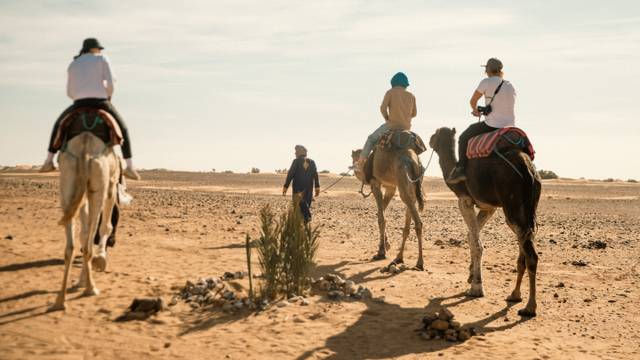
In most desert operations, yes. Camels are working animals well cared for because they are an asset. Avoid operators who overload camels with two adults, refuse breaks, or look visibly thin. A camel trek of 1 to 2 hours is reasonable.
How can I support local communities in the Atlas Mountains
Stay in family run guesthouses in villages like Imlil, Ouirgane, or Setti Fatma. Hire local Berber guides directly. Buy from village cooperatives (argan, weaving) rather than tourist shops in Marrakech. Bring small gifts of school supplies, not sweets.
Is plastic waste a big issue in Morocco
Yes, especially in rural areas without recycling. Bring a reusable water bottle and refill where you can (filtered water at riads). Refuse plastic bags in markets. Many shops now offer cloth alternatives.