Es gibt keinen einzigen "besten" Monat
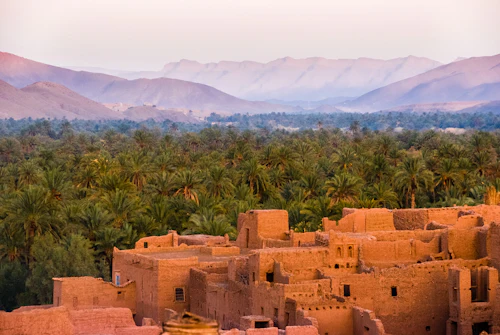
Marokko ist wie vier Länder in einem. Die Atlantikküste, die Königsstädte, das Hohe Atlasgebirge und die Wüste haben zur gleichen Jahreszeit jeweils ein anderes Klima. Die Wahl des richtigen Monats hängt davon ab, welche Mischung Sie wünschen. Hier ist, wie sich jeder Monat wirklich anfühlt und für welchen Reisenden er geeignet ist.
Die vier Marokkos
Bevor Sie den Kalender betrachten, verstehen Sie die Geografie.
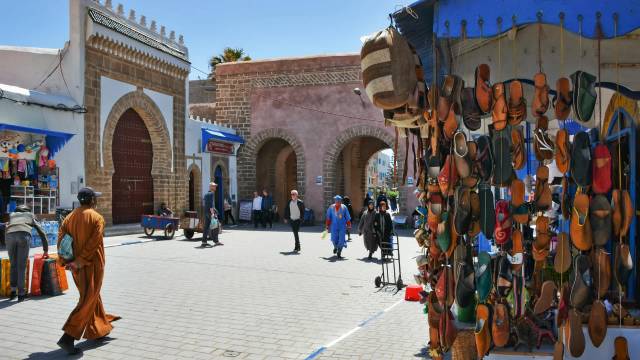
Die Städte (Marrakesch, Fes, Meknes, Casablanca, Rabat): Heiße, trockene Sommer und milde Winter mit kühlen Nächten. Marrakesch ist das ganze Jahr über heißer als Fes.
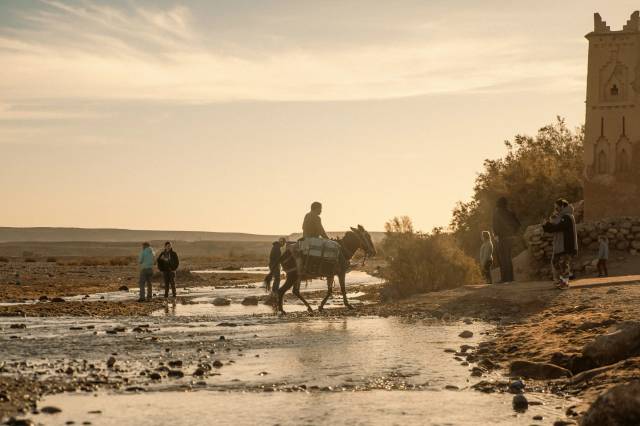
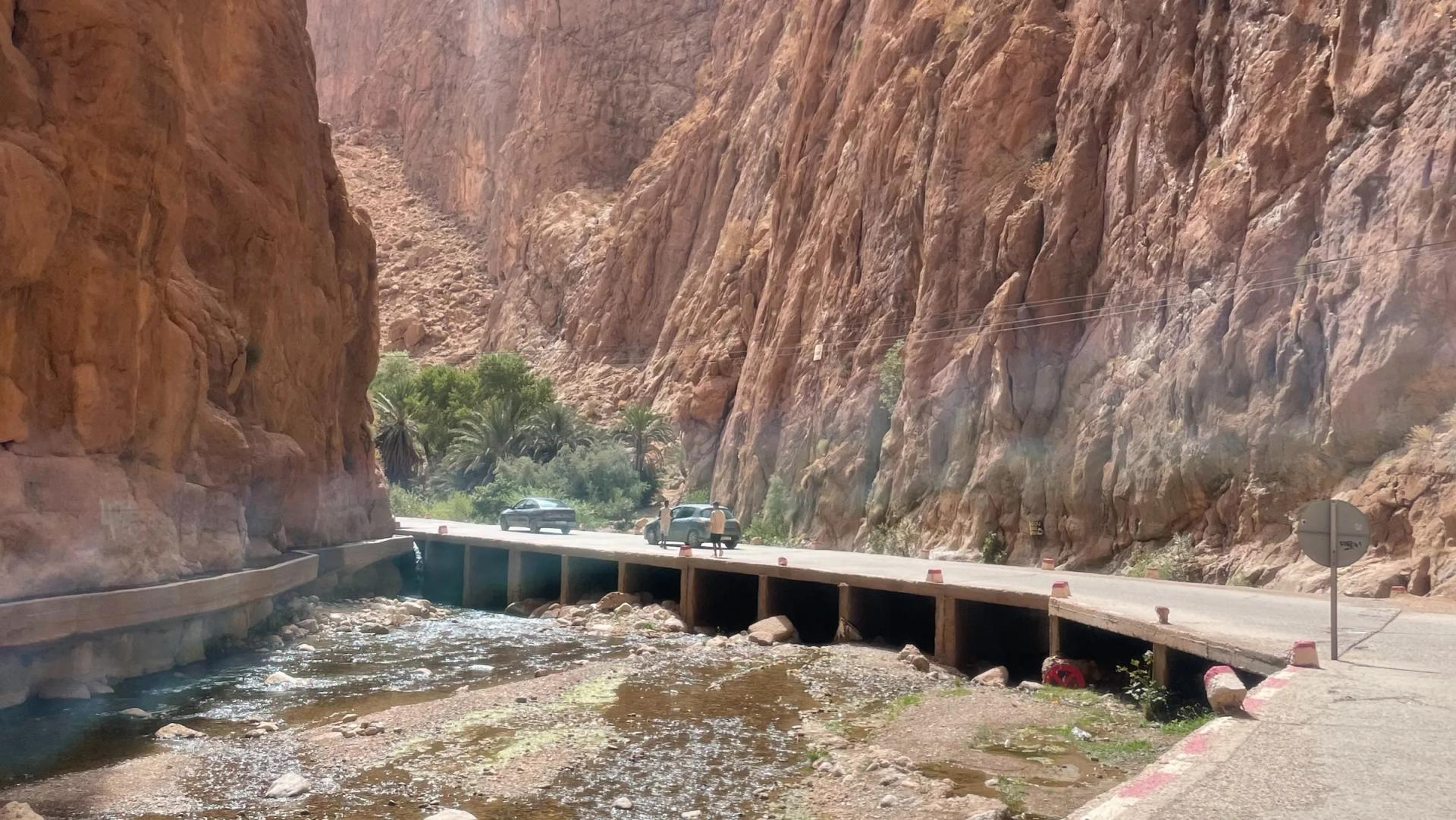
Das Atlasgebirge: Kalte, schneereiche Winter über 1.800 Metern, warme Sommer mit kühlen Nächten. Die Gipfel bleiben von Dezember bis April schneebedeckt.
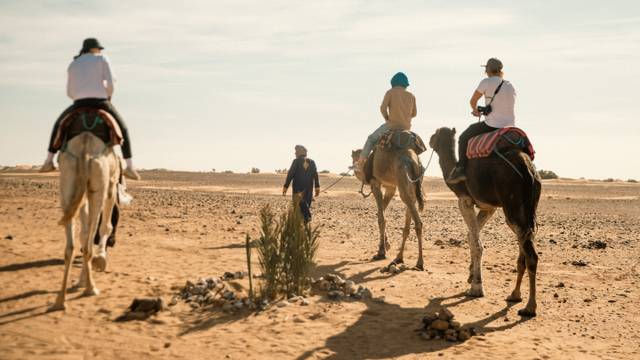
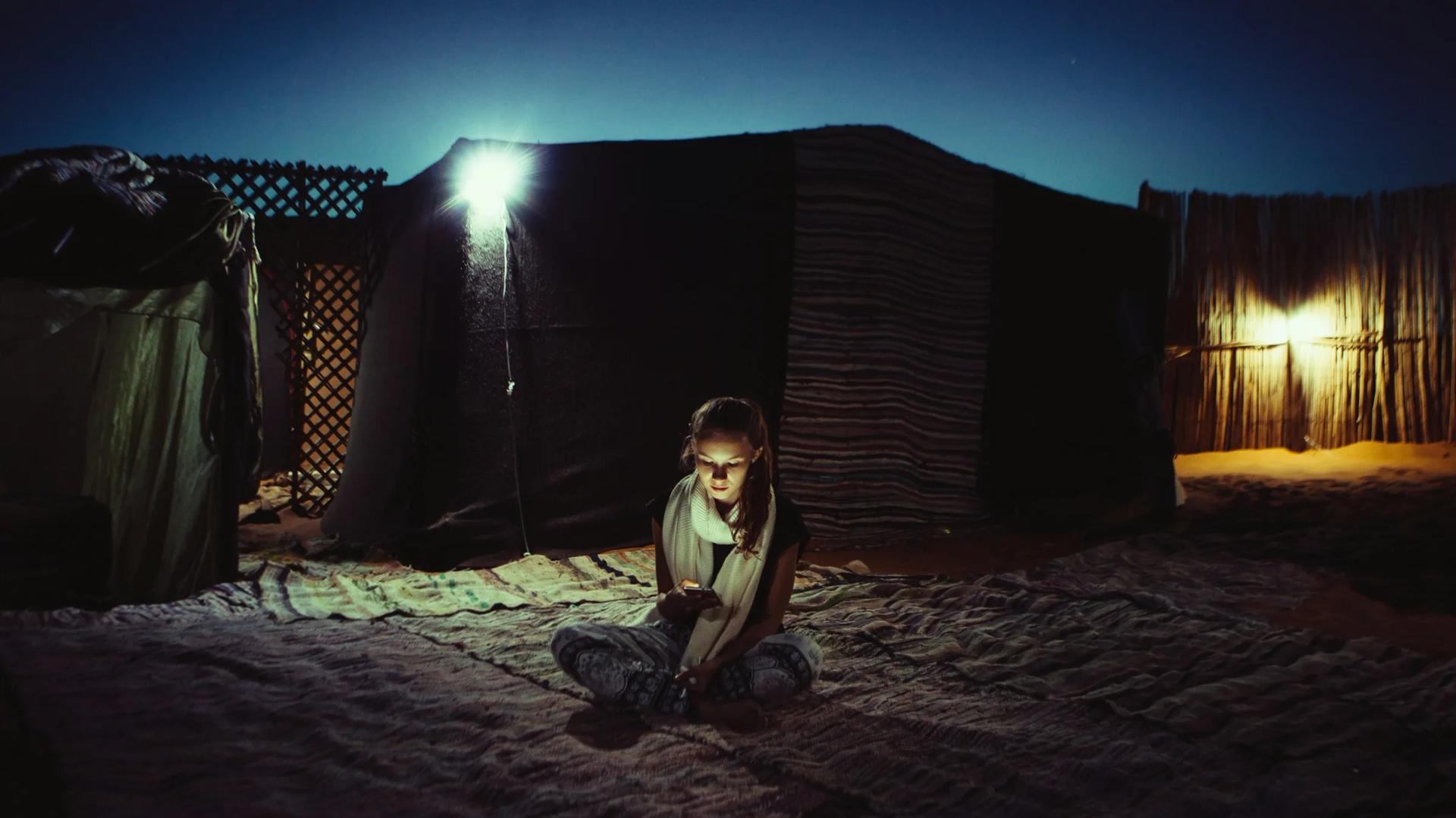
Die Sahara (Merzouga, M'Hamid): Brutal im Juli und August (tagsüber über 45°C). Kalte Nächte selbst im Sommer. Am besten im Frühling und Herbst.
Die Atlantikküste (Essaouira, Agadir, Casablanca): Ganzjährig mild. Oft windig. Kühler im Sommer als die Städte und mildere Winter.
Januar
Marrakesch tagsüber: 19°C. Nachts: 7°C. Oft sonnig, aber kalt. Das Hohe Atlasgebirge ist verschneit. Die Wüste ist nachts kalt, tagsüber angenehm.
Vorteile: Nebensaisonpreise, wenige Menschenmengen an den Hauptsehenswürdigkeiten, das Atlasgebirge ist spektakulär unter Schnee, perfektes Licht für Fotografen.
Nachteile: Sie benötigen abends warme Kleidung, Riads ohne Heizung sind ungemütlich (immer vor der Buchung prüfen), einige Wüstencamps schließen Anfang Januar.
Für wen geeignet: Fotografen, Bergwanderer (niedrigere Pfade), Reisende, die Menschenmengen hassen, Paare auf einer ruhigen Reise.
Februar
Ähnlich wie im Januar, gegen Ende des Monats etwas wärmer. Der Schnee im Atlas ist am tiefsten, und die Klettersaison am Mount Toubkal hat für nicht-technische Kletterer noch nicht begonnen. Die Wüste ist um die Mittagszeit angenehm.
Vorteile: immer noch Nebensaison, die Mandelbäume beginnen in den Tälern des Atlas zu blühen (eine wunderbare zweiwöchige Periode Mitte Februar), die Preise sind die niedrigsten des Jahres.
Nachteile: immer noch kalt in der Medina nachts, gelegentlicher Regen.
Für wen geeignet: Budgetreisende, diejenigen, die die Königsstädte ohne Warteschlangen erleben möchten.
März
Ein Übergangsmonat. Die Temperaturen in Marrakesch steigen auf 22 bis 25°C. Überall Frühlingsblumen. Die Wüste ist am angenehmsten. Die unteren Atlaswege sind offen.
Vorteile: wahrscheinlich der beste Monat insgesamt, angenehm in jeder Region, Ramadan fällt oft in den März (was eine Gelegenheit an sich ist, siehe unten).
Nachteile: Die Preise beginnen zu steigen, Ostern naht und damit die Menschenmengen.
Für wen geeignet: fast jeder.
April
Hochfrühling. Tagsüber in Marrakesch 26 bis 30°C. Die Täler des Atlas sind grün. Die Wüste ist warm, aber noch nicht brutal.
Vorteile: der beliebteste Monat aus gutem Grund, das Wetter ist überall ausgezeichnet.
Nachteile: Preise und Menschenmengen. Riads sind früh ausgebucht (mindestens zwei Monate im Voraus reservieren). Die Täler des Atlas sind an Wochenenden sehr belebt.
Für wen geeignet: Erstbesucher mit Flexibilität.
Mai
Marrakesch steigt auf 30 bis 33°C. Immer noch angenehm im Atlas. Die Wüste ist tagsüber heiß, aber erträglich. Die Klettersaison am Mount Toubkal beginnt.
Vorteile: der letzte angenehme Monat vor der südlichen Sommerhitze, ideal für kombinierte Marrakesch-, Atlas- und Wüstenreisen.
Nachteile: gelegentliche Sandstürme in der Wüste (genannt chergui), Preise immer noch hoch.
Für wen geeignet: Wanderer, Roadtripper, Fotografen (das Wüstenlicht ist wunderbar).
Juni
Marrakesch erreicht regelmäßig 35 bis 38°C. Der Atlas ist herrlich, Mount Toubkal vollständig zugänglich. Die Wüste wird nach 11 Uhr unangenehm.
Vorteile: lange Tage, Atlas-Trekking in seiner besten Form, Essaouira (die windige Küste) kühler und schön.
Nachteile: Besichtigungen in der Medina sind von Mittag bis 17 Uhr heiß.
Für wen geeignet: Wanderer, Küstenliebhaber, alle, die bereit sind, um die Hitze herum zu planen (frühe Morgen, schattige Riads, Abendessen auf Dachterrassen).
Juli
Volle Hitze. Marrakesch liegt regelmäßig über 40°C, manchmal über 45. Die Wüste ist in der Mittagssonne gefährlich. Der Atlas ist das einzige angenehme Ziel.
Vorteile: günstigere Preise in den Städten, Einheimische ziehen an die Küste, sodass sich die Medina leer anfühlt, der Atlas ist ein Paradies.
Nachteile: echte Hitze. Sie sollten nicht zwischen 11 Uhr und 17 Uhr in der Medina spazieren gehen.
Für wen geeignet: erfahrene Reisende, die die Reise um die Hitze herum gestalten. Strandliebhaber (Essaouira, Asilah). Atlas-Wanderer.
August
Wie im Juli, oft heißer. Dies ist der Monat, in dem die Einheimischen die Städte für die Küste verlassen. Viele Geschäfte in Marrakesch schließen für zwei bis drei Wochen (insbesondere Restaurants und kleinere Handwerker).
Vorteile: niedrige Preise, eine entspannte Atmosphäre.
Nachteile: die Hitze, die Schließungen, die Wüste ist tagsüber praktisch unmöglich.
Für wen geeignet: Reisende, die sich hauptsächlich an der Küste aufhalten.
September
Die Erleichterung. Mitte September sinken die Tagestemperaturen auf 32 bis 35°C. Die Nächte werden angenehm. Die Wüste kühlt genug ab, um wieder angenehm zu sein.
Vorteile: der zweite Höhepunkt nach April, weniger Menschenmengen als im Frühling, Preise etwas niedriger.
Nachteile: immer noch warm in der tiefen Wüste bis Ende September.
Für wen geeignet: Reisende, die Frühlingswetter ohne die Frühlingsmengen möchten.
Oktober
Der beste Monat, Punkt. Marrakesch tagsüber 27 bis 30°C. Kühle Nächte, kein Regen, perfektes Licht. Die Wüste ist am angenehmsten. Der Atlas ist golden mit Herbstlaub in den Tälern.
Vorteile: perfektes Wetter in jeder Region, eine entspannte Stimmung, saisonale Lebensmittel (Feigen, Granatäpfel, Oliven, frische Datteln).
Nachteile: Die Preise steigen wieder auf Frühlingsniveau. Riads sollten früh gebucht werden.
Für wen geeignet: jeder Reisende, aber besonders Feinschmecker und Fotografen.
November
Der Übergangsmonat, den die meisten übersehen. Tagsüber 22 bis 25°C. Kühler in der Nacht. Einige frühe Regenfälle. Die Gipfel des Atlas kehren bis Ende des Monats zu hohem Schnee zurück.
Vorteile: niedrigere Preise, weniger Menschenmengen, die Medina hat ihren ruhigen Herbstrhythmus, der Atlas ist stimmungsvoll und schön.
Nachteile: einige kalte Nächte, gelegentliche Regentage.
Für wen geeignet: Zweitbesucher, Fotografen, langsame Reisende.
Dezember
Kalt und ruhig bis zur letzten Woche. Marrakesch tagsüber 18 bis 22°C, nachts auf 6°C fallend. Der Atlas ist richtig kalt und verschneit. Weihnachtswoche und Neujahr sind der Höhepunkt der Preisspitze.
Vorteile: außerhalb der Ferienwoche ist der Dezember einer der günstigsten Monate. Die Medina ist im kalten Winterdämmerlicht am schönsten.
Nachteile: Die Ferienwoche kostet doppelt so viel wie der Rest des Monats. Einige Restaurants schließen um Neujahr herum.
Für wen geeignet: Kaltwetterliebhaber, diejenigen, die der europäischen Winterkälte entfliehen möchten (Marrakesch im Dezember ist normalerweise wärmer als London im Oktober).
Ramadan: Sollten Sie ihn vermeiden? Nein.
Ramadan verschiebt sich jedes Jahr um etwa 11 Tage nach vorne. Im Jahr 2026 fällt er in den Februar und März. Im Jahr 2027 wird er früher im Februar sein.
Was sich ändert:
- Die meisten kleinen Cafés und Restaurants schließen tagsüber
- Reiseleiter haben möglicherweise weniger Energie am späten Abend
- Iftar (Fastenbrechen bei Sonnenuntergang) wird zum gesellschaftlichen Ereignis des Tages
Was sich nicht ändert:
- Riads schließen nicht und servieren ihren Gästen weiterhin wie gewohnt Mahlzeiten